
Resources
Scaling a Small Lotion Batch on a High-Shear Disperser
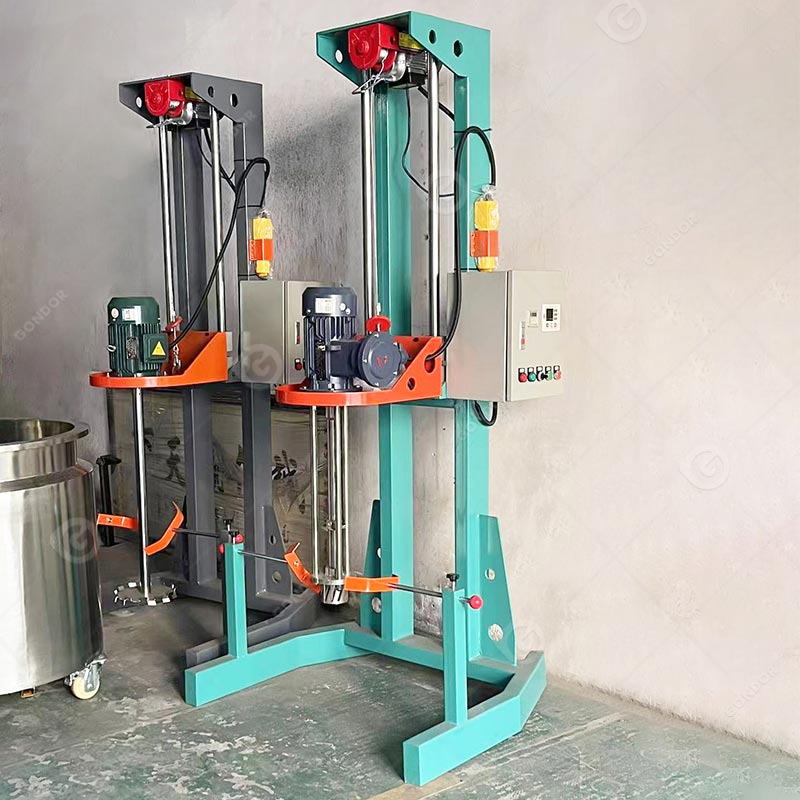
Learn why RPM alone cannot scale a small lotion batch, and check dispersing-head design, working depth, circulation and vessel geometry before a production trial.
Process notes, selection logic and troubleshooting guides from dairy, filling and packing work, written by the people who commission the lines.
Heating, cooling, homogenising and fermenting, explained step by step.
Which model fits your batch size, product and the utilities you actually have.
Symptom, likely cause and the checks that isolate it before a service call.
Capacity, cycle time and utility sums you can rerun with your own figures.
Learn why RPM alone cannot scale a small lotion batch, and check dispersing-head design, working depth, circulation and vessel geometry before a production trial.
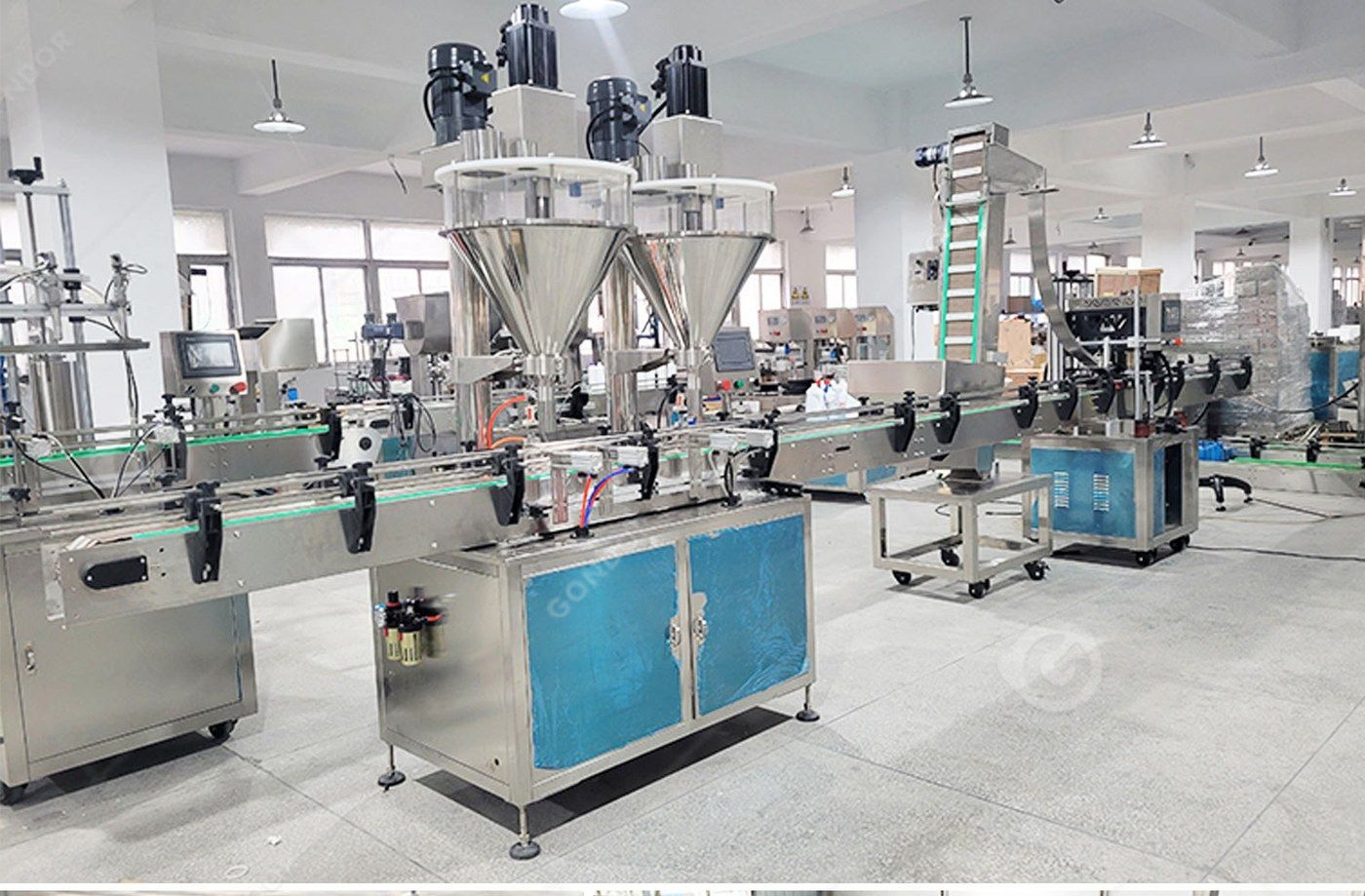
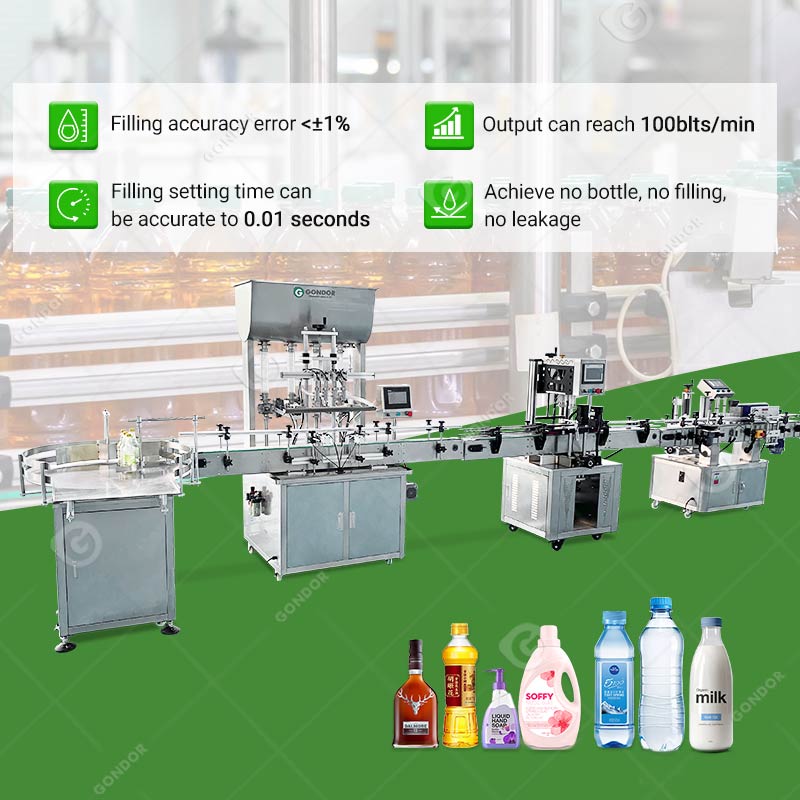
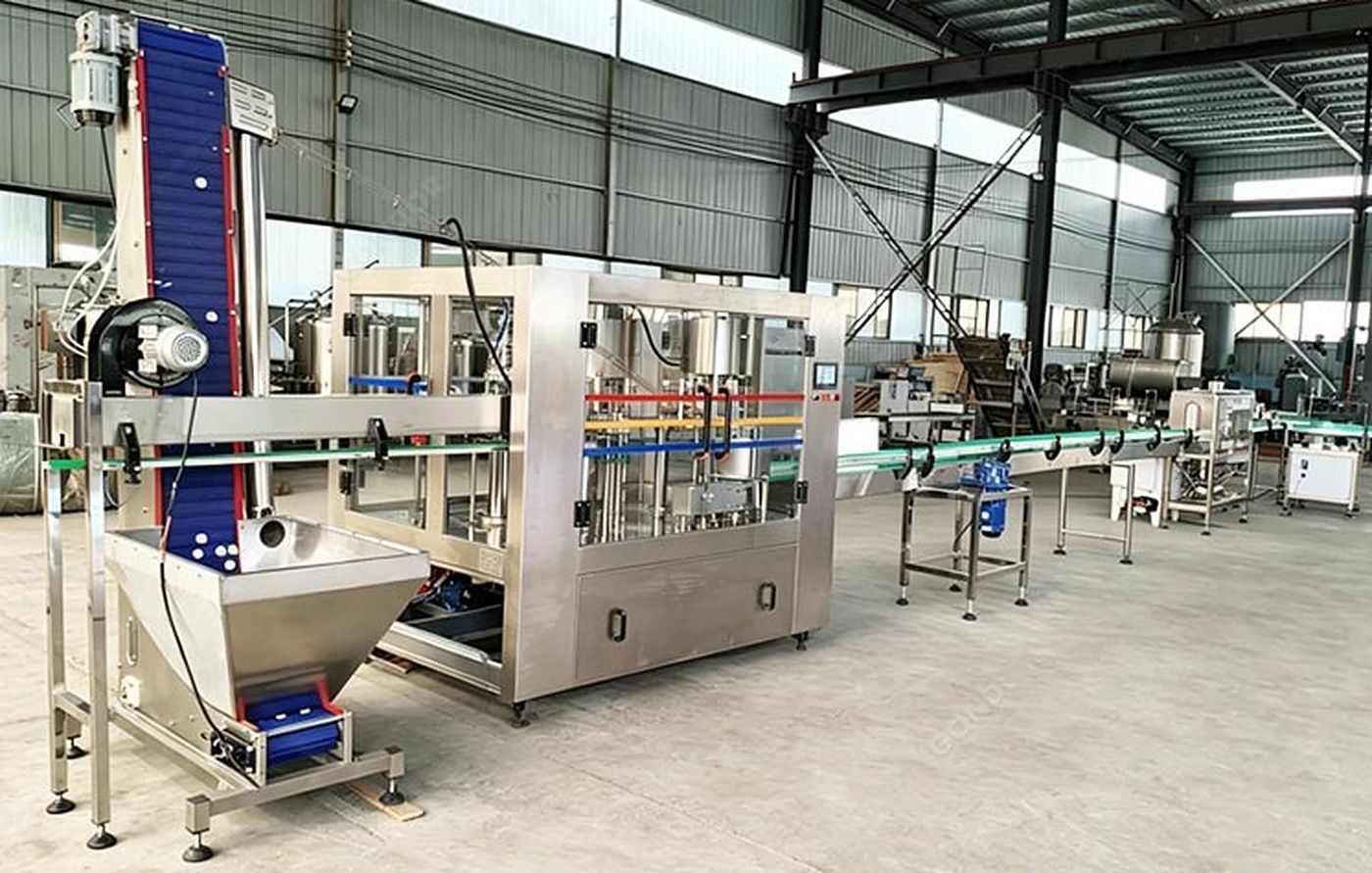
Use accepted bottles per minute and a simple buffer calculation to identify filling-line bottlenecks across feeding, filling, capping, labeling and packing.
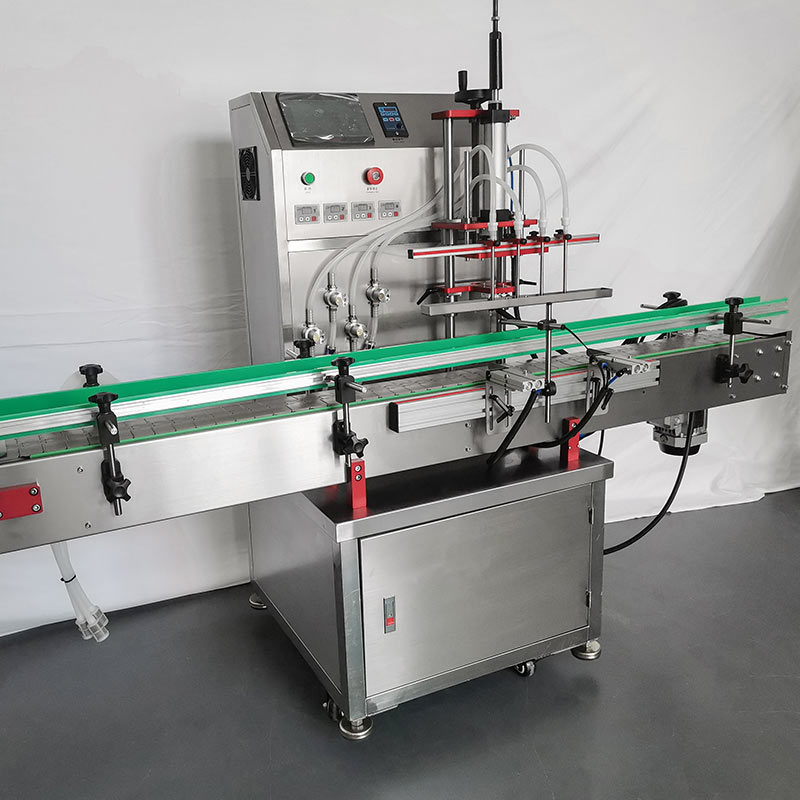
Troubleshoot uneven liquid fills by comparing nozzle results, product density, air, supply conditions and valve behaviour, with a clear mass-to-volume example.
Understand gauge and absolute vacuum pressure, why foam persists before juice filling, and how temperature, feed balance and transfer affect a deaerator trial.
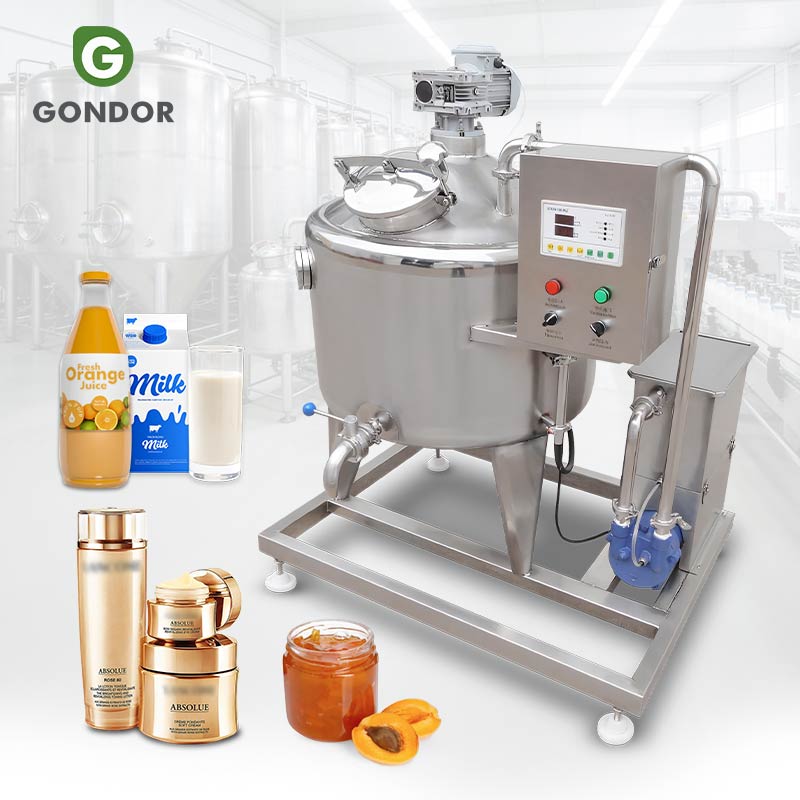
Plan a small dairy workflow around product routes, batch occupancy, cooling and packaging, with focused guides to pasteurization, cheese handling and fat control.
Match mixing, pressure homogenization, vacuum deaeration and spray drying to the actual process task, with guides to viscosity, air removal and capacity calculations.
Compare bottle, small-bottle, tube and cup packaging routes, then plan dosing, closures, format changes and sustainable line output for the intended product.
Choose between powder weight dosing and piece-count bottling, then plan feeding, closures, inspection and throughput around the product and bottle specification.
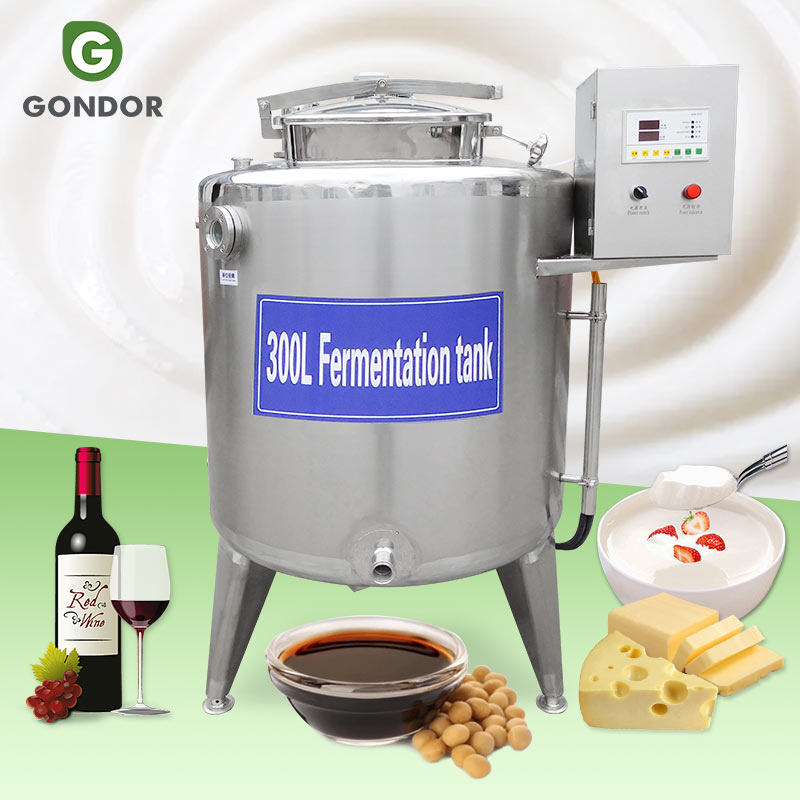
Plan fermentation vessels using usable batch volume, occupied time and temperature-control duty, with separate guides for yogurt and wine tank requirements.

Send the product, the pack format and the hourly output you are aiming for. We come back with a layout, the machine list and a price.
Request a quotation →A complete line is more than a row of machines. We size the filler, the sealing station and the conveyor runs against your product, pack format and shift target, then deliver it as one commissioned unit.