
Raw milk leaves the farm at around 4 °C and starts losing quality the moment it warms up. Everything between the receiving tank and the sealed pack exists to slow that clock: separate the fat so the product can be standardised, heat-treat it without cooking the flavour, hold the culture at a temperature that does not drift, and fill without letting air back in.
Plants on this route run from a few hundred litres a day in a farm dairy to a multi-product line making milk, set yogurt and drinking yogurt on the same floor. The machine set is the same at both ends; only the size and the degree of automation change.
What has to go right
- Temperature drift during fermentation A two-degree swing changes how fast the acid develops, and the batch comes out either harsh or too thin to set.
- Air left in the product Dissolved and entrained air foams at the filler, produces short fills and dulls the colour long before the sell-by date.
- Fat level that moves batch to batch Without separation and standardisation the fat content is whatever the milk arrived with, and the label becomes a guess.
The line, step by step
- 01
Reception and chilling
Raw milk is weighed, filtered and held at 4 °C, so nothing starts fermenting before the line is ready for it.
- 02
Separation and standardisation
A disc stack separator splits cream from skim, which is what lets the fat level be set instead of accepted.
- 03
Pasteurising
Batch or continuous heat treatment, then cooling straight to fermentation or filling temperature in the same vessel.
- 04
Fermentation
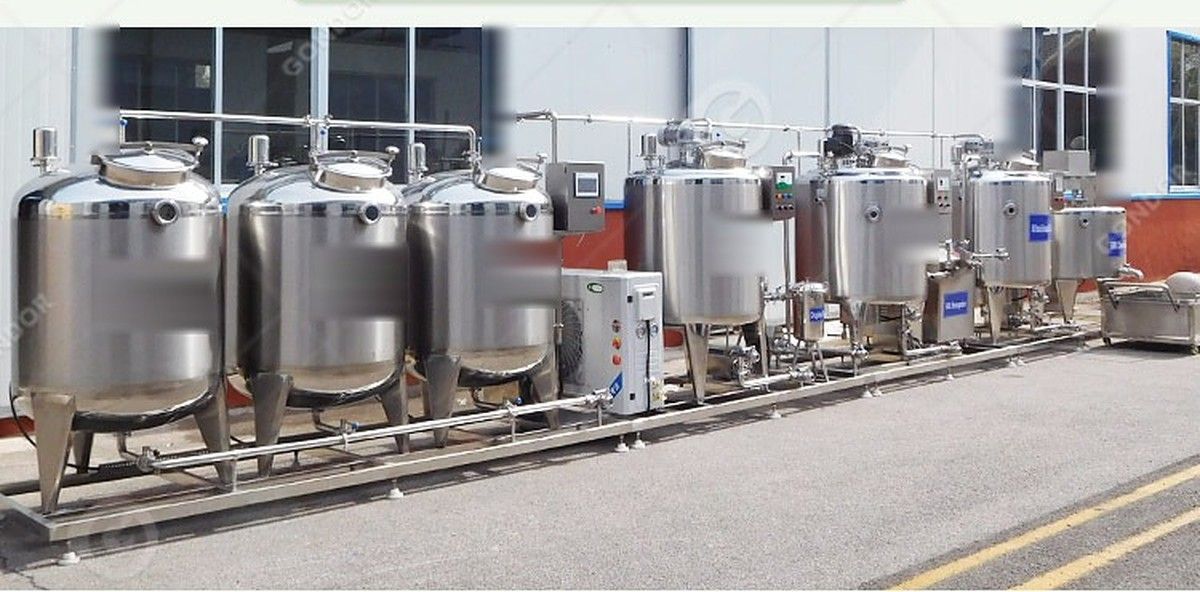
For yogurt and cultured drinks the base is held in a closed jacketed tank, so the set point holds for hours without an operator watching it.
- 05
Deaeration
The product passes a vacuum degasser before the filler, which is where most of the foam problem is actually solved.
- 06
Filling and sealing
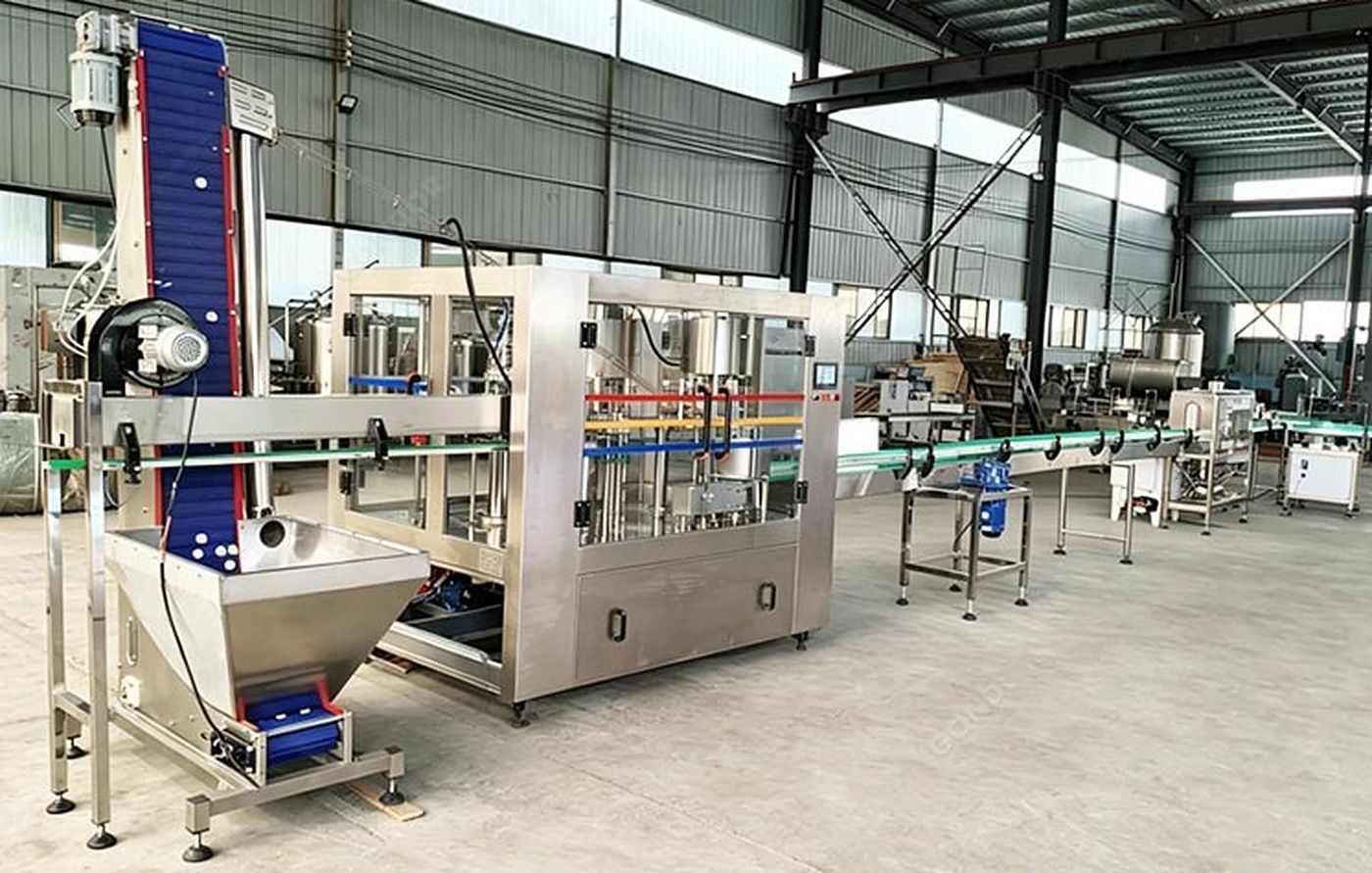
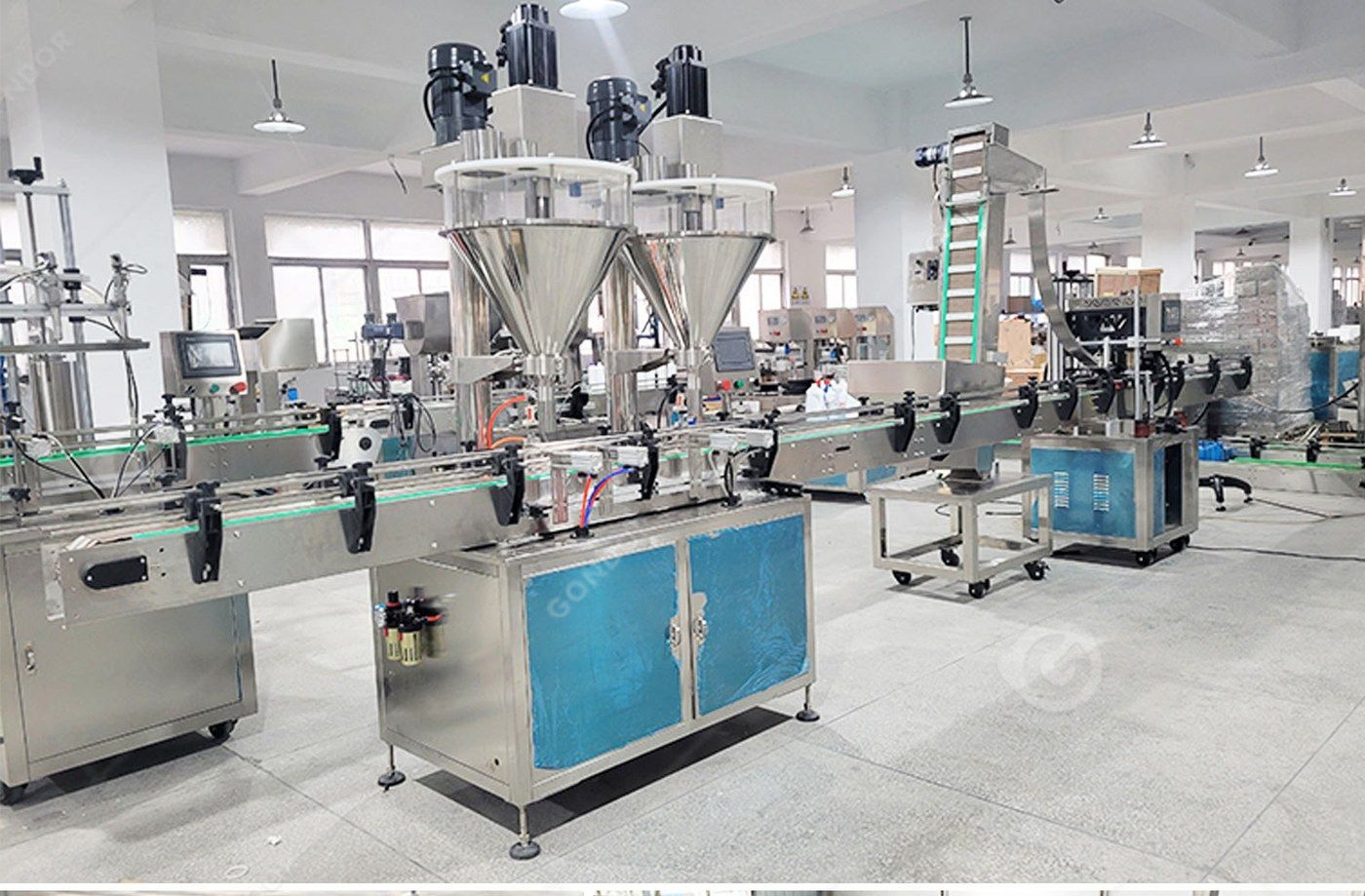
Cups, bottles or pouches filled to within one percent, then sealed and coded.
Machines for this application
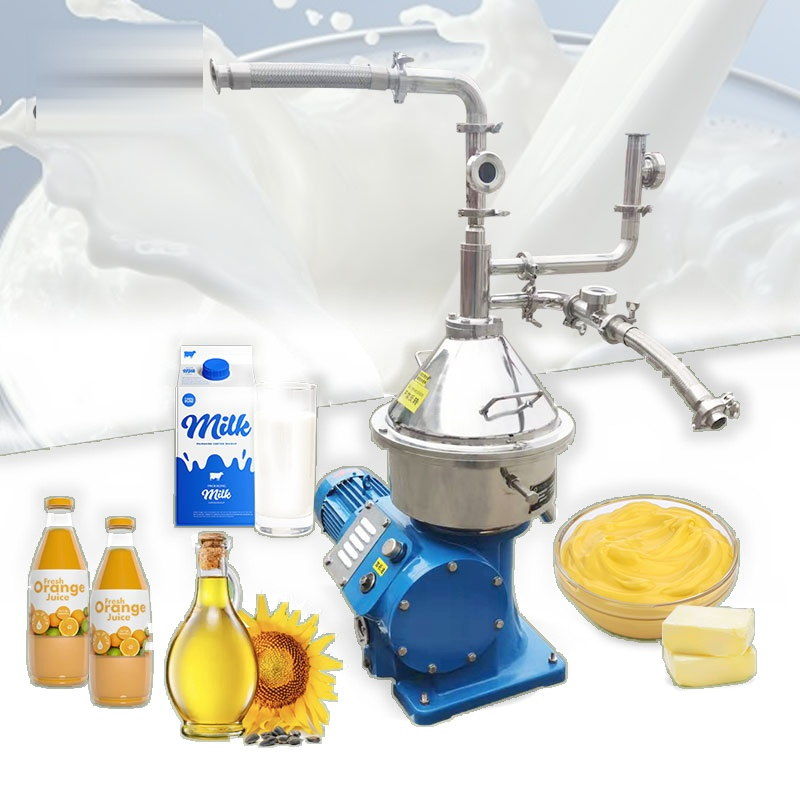 Dairy Cream Separatorsplits cream from skim so the fat level is set before treatment, 400 to 3000 L/h.
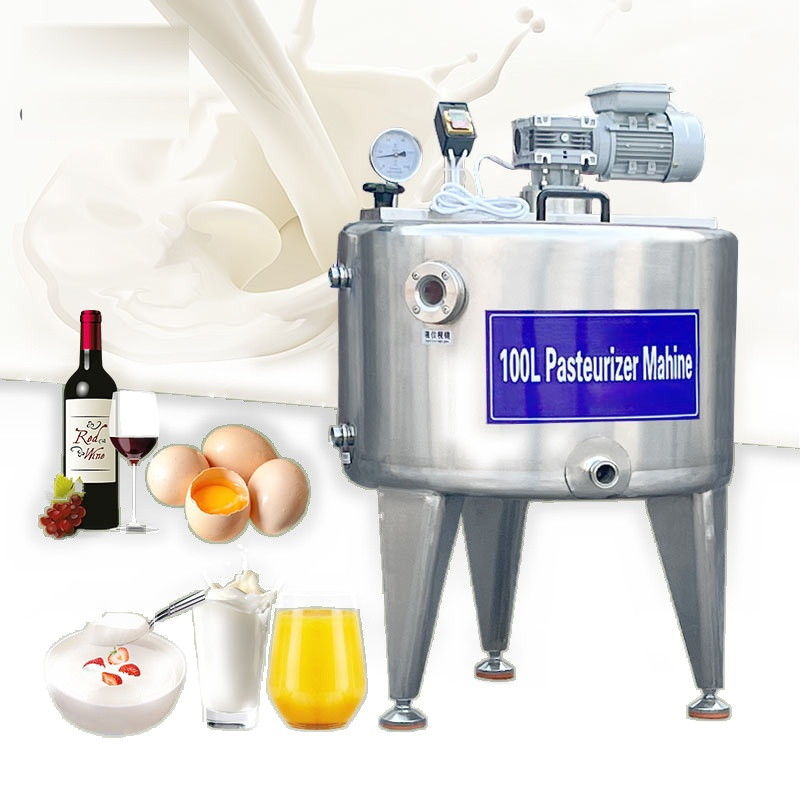 Milk Pasteurizer Machinebatch heat treatment and cooling in one jacketed vessel, 10 to 200 L.
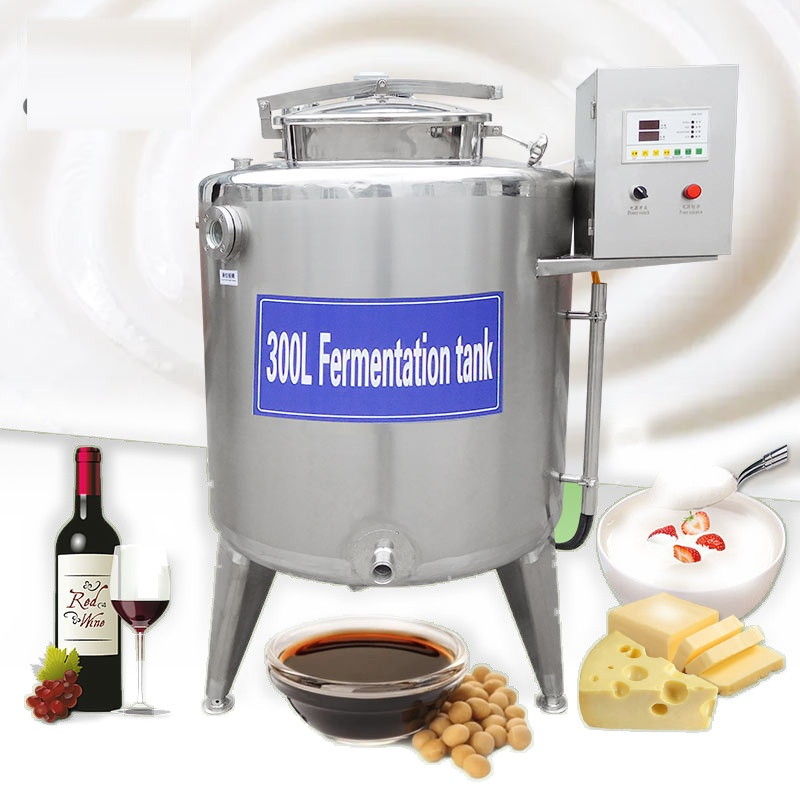 Fermentation Tankholds the culture at a steady temperature in a closed vessel with a sterile air breather.
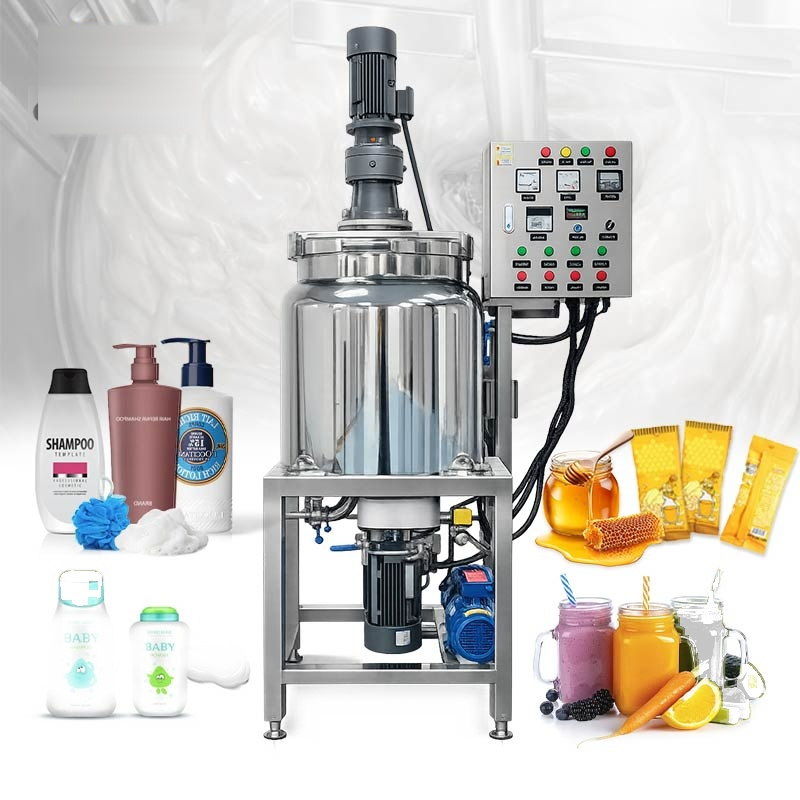 Mixing Tankblends sugar, stabiliser and fruit base into the milk before fermentation.
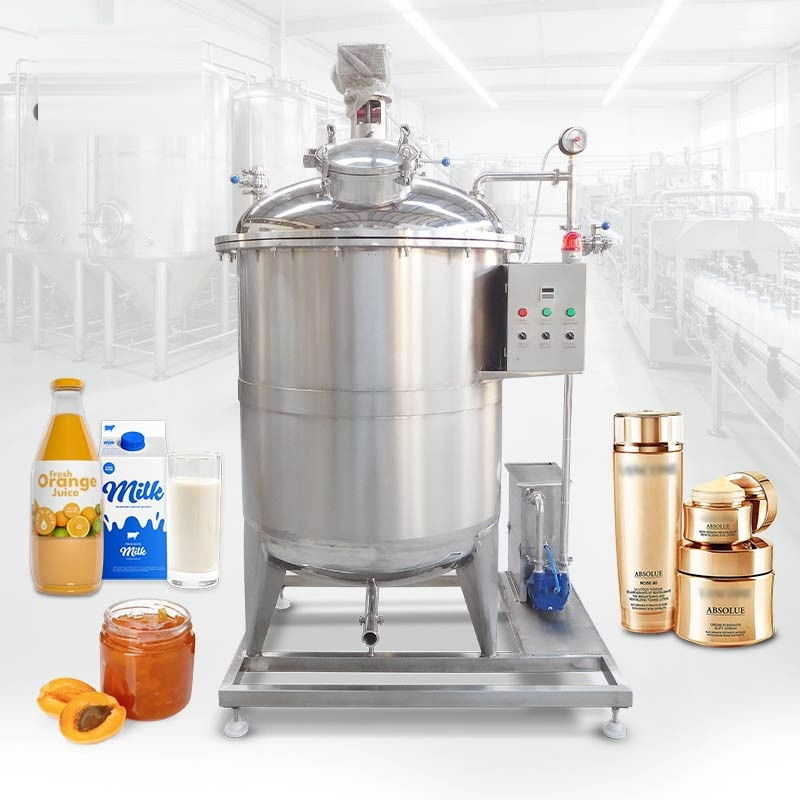 Vacuum Degasserpulls entrained air out in one pass, so the filler runs without foam.
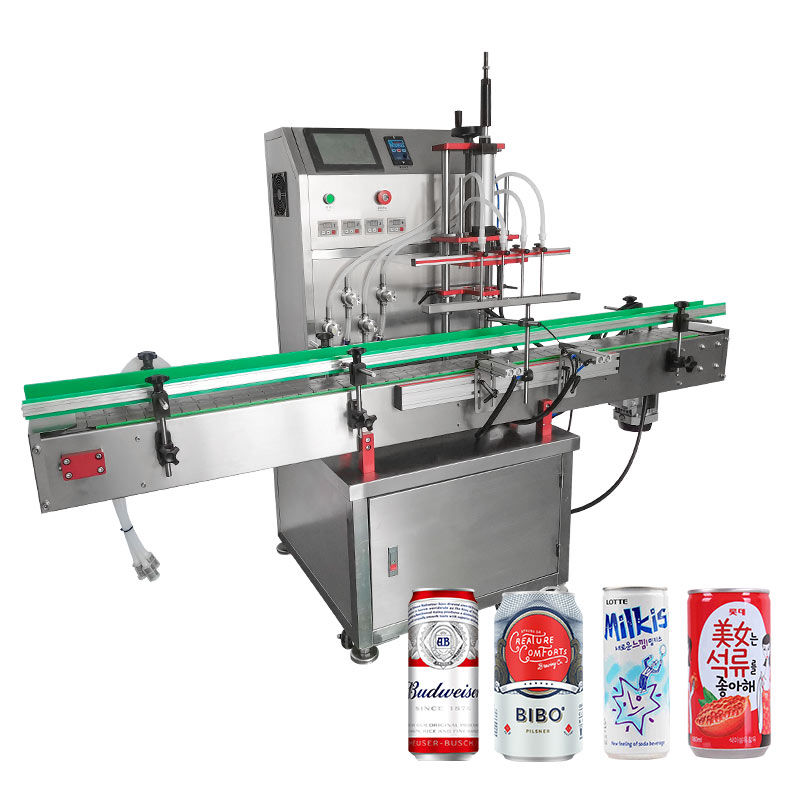 Liquid Filling Machinefills cups, bottles and pouches from 100 to 5000 ml at plus or minus one percent.
Typical process parameters
| Stage | Typical setting | What it protects |
|---|---|---|
| Reception | 4 °C, held under 24 h | raw milk quality before any treatment |
| Separation | 400–3000 L/h milk output | fat standardisation and cream recovery |
| Pasteurising | 63 °C for 30 min, or 85 °C for 5 min | pathogen reduction and enzyme inactivation |
| Fermentation | 43–45 °C held for 4–6 h | acid development, texture and shelf life |
| Filling | 100–5000 ml, accuracy within ±1% | fill weight and label compliance |
Questions we get asked
Do I need a homogeniser as well as a pasteuriser?
Only if the cream line matters to the customer. Homogenising breaks the fat globules so they stay suspended; without it, a bottle of milk shows a cream layer within a day. It is a quality decision, not a legal one.
Can the same tank make yogurt and drinking milk?
The vessel can, the program has to be different. Set yogurt needs a long hold at 43–45 °C without disturbance, drinking yogurt is fermented then broken and cooled. Both run on the same jacketed tank if the controller carries two recipes.
What throughput justifies a continuous line?
Below roughly 2,000 L a day a batch pasteuriser and two tanks are cheaper to run and easier to clean. Above that the labour of filling and emptying vessels starts to dominate, and continuous treatment pays for itself.
Where does the foam at the filler actually come from?
Mostly from pumping and agitation upstream, not from the filler. Degassing before the filler removes it at the source; anti-foam only hides it.
Tell us the product and the pack
Send the product, the daily volume and the container you fill into. We come back with the machine list for each stage, the utility requirements and a price.