
Tomato products are sold on consistency before they are sold on taste. A ketchup that pours differently between batches is a complaint waiting to happen, and the difference is usually made in the blender and the filler, not in the recipe.
The concentrate arrives at 28–30 Brix and is brought down, salted, sweetened and thickened. From there the two things that decide quality are how much air stays in the product and how accurately it goes into the bottle.
What has to go right
- Viscosity that will not repeat Shear during mixing and the order ingredients are added change the final body, so two identical recipes can pour differently.
- Air whipped into a thick product Entrained air in a paste leaves bubbles on the surface after filling and shortens the colour life of the top layer.
- Dosing error on a viscous fill A piston set for water overfills ketchup by several grams, which on a 340 g bottle is a labelling problem.
The line, step by step
- 01
Dilute the concentrate
Paste is brought to the target Brix with water under slow agitation, so the solids are dissolved rather than dispersed.
- 02
Blend and thicken
Salt, sugar, acid and starch go in at a controlled temperature; the shear applied here decides the final body.
- 03
Deaerate
The mix passes a vacuum chamber so entrained air leaves before the product reaches the filler.
- 04
Heat treat or hot fill
Sauce is brought to fill temperature and bottled hot, or pasteurised and cooled for cold fill.
- 05
Fill and cap
Piston or net-weight filling into glass or PET, then cap, cool and label.
Machines for this application
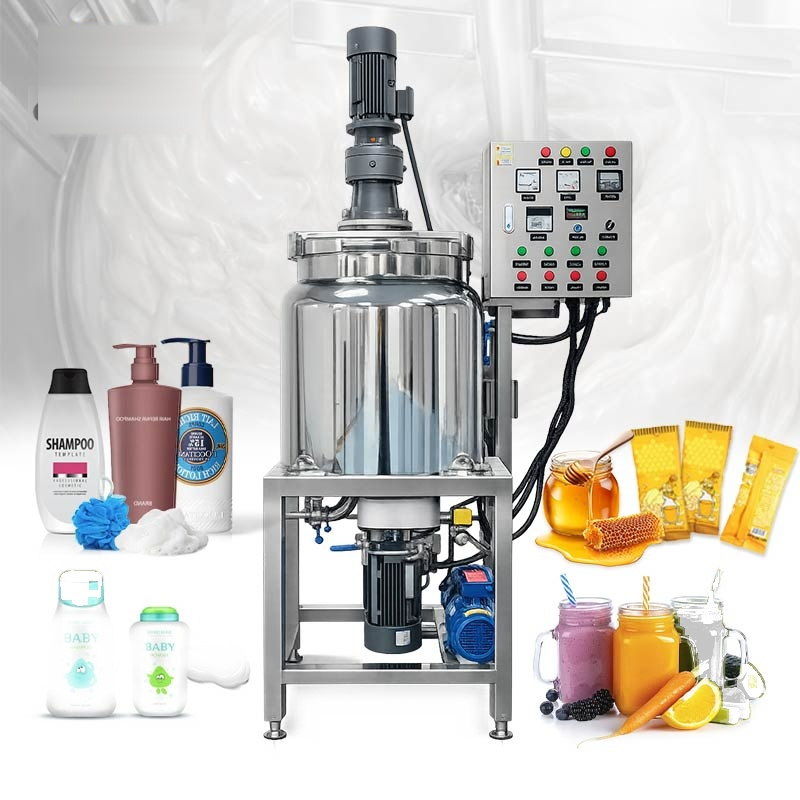 Mixing Tankjacketed blending and thickening, with the impeller matched to a paste rather than a liquid.
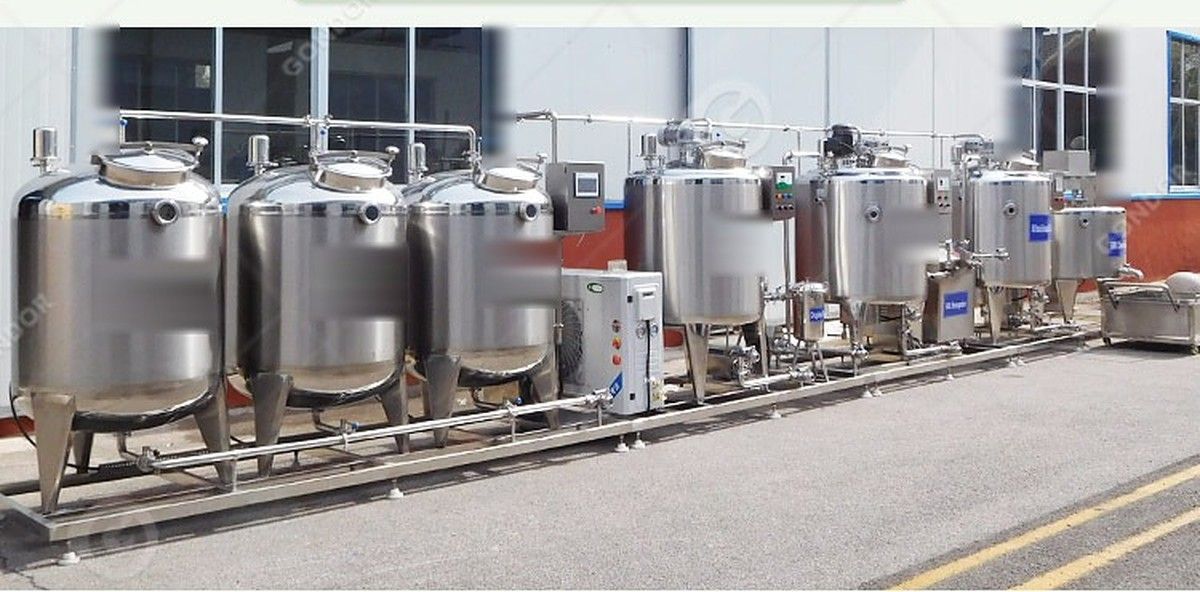
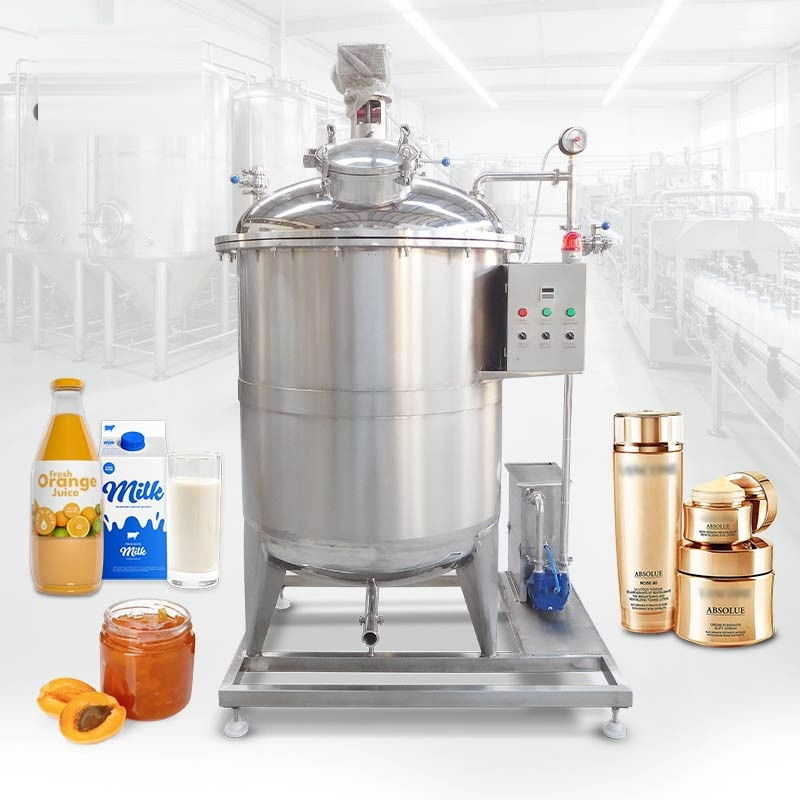 Vacuum Degasserremoves entrained air so the fill is dense and the surface stays smooth.
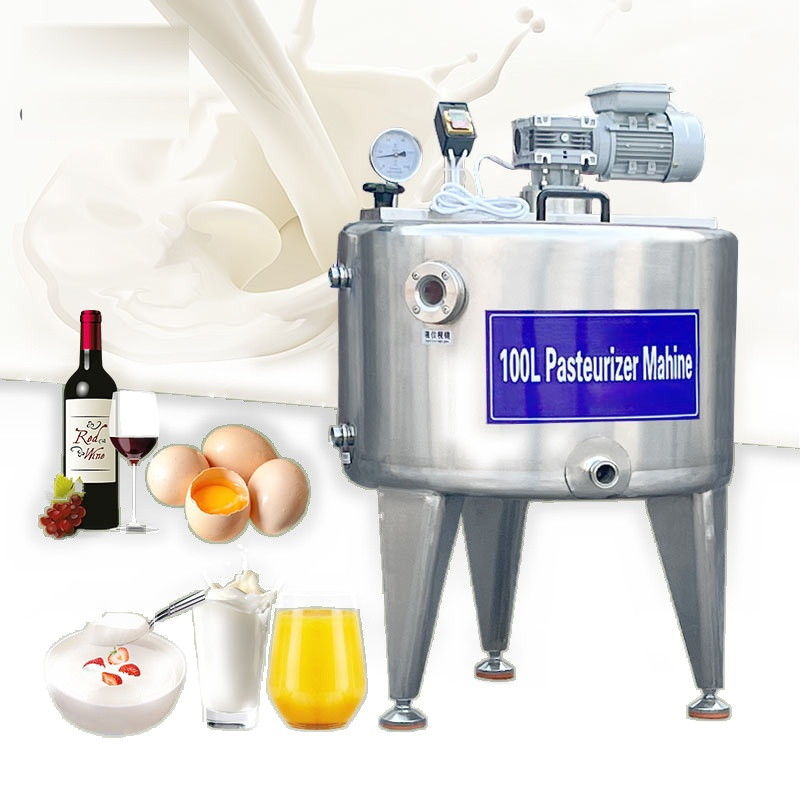 Milk Pasteurizer Machinesmall-batch heat treatment and holding for craft and test volumes.
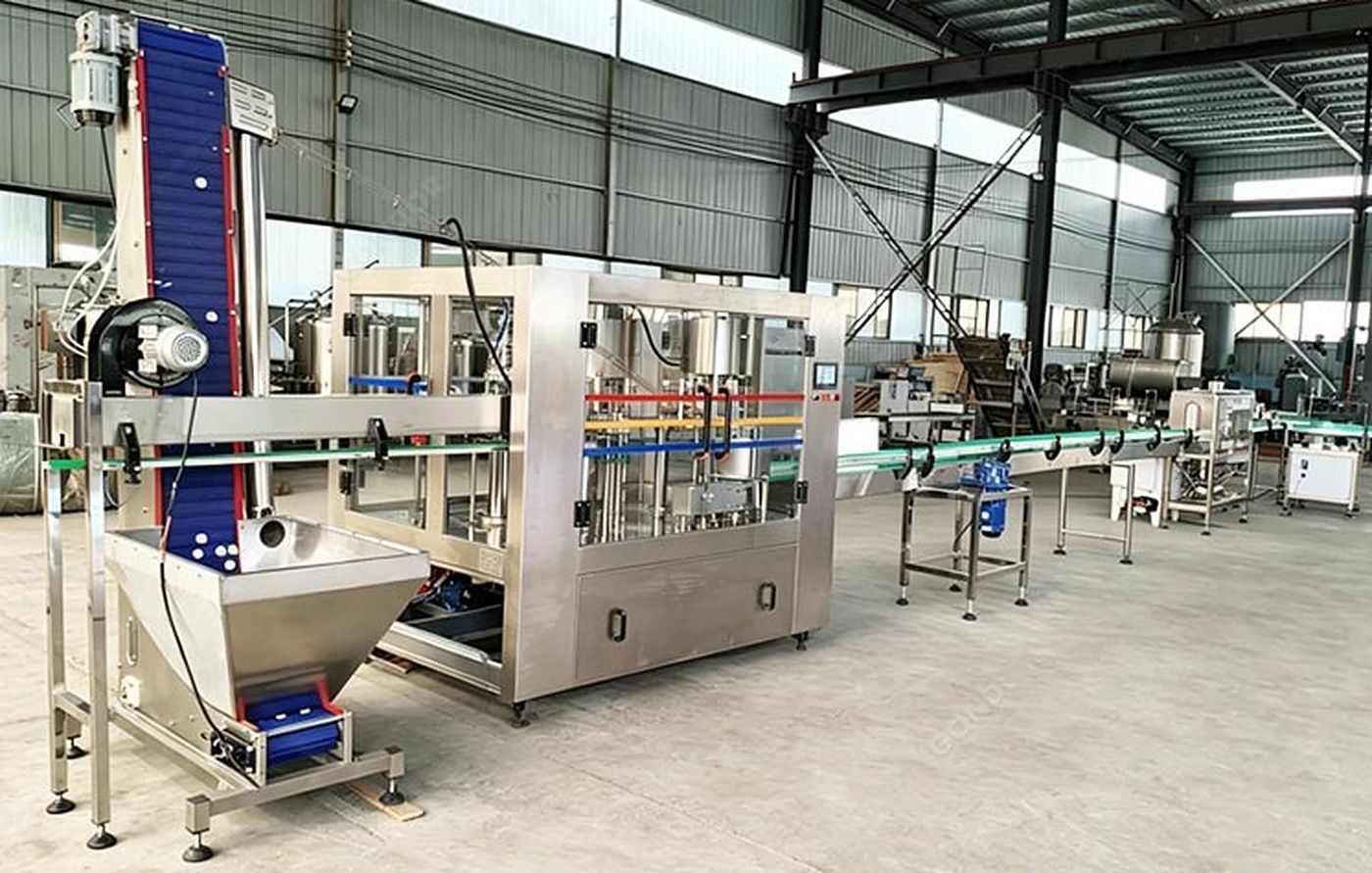
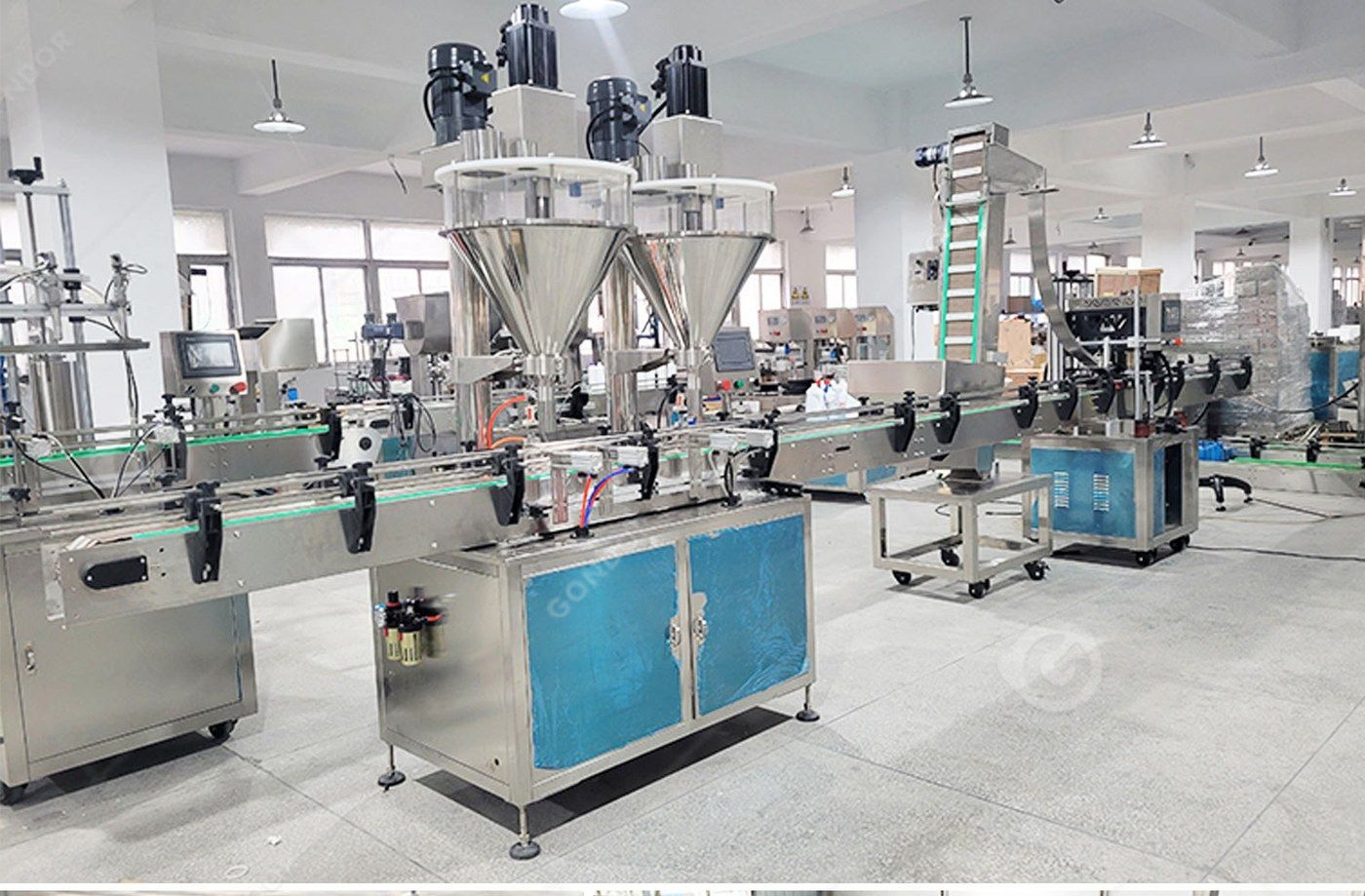
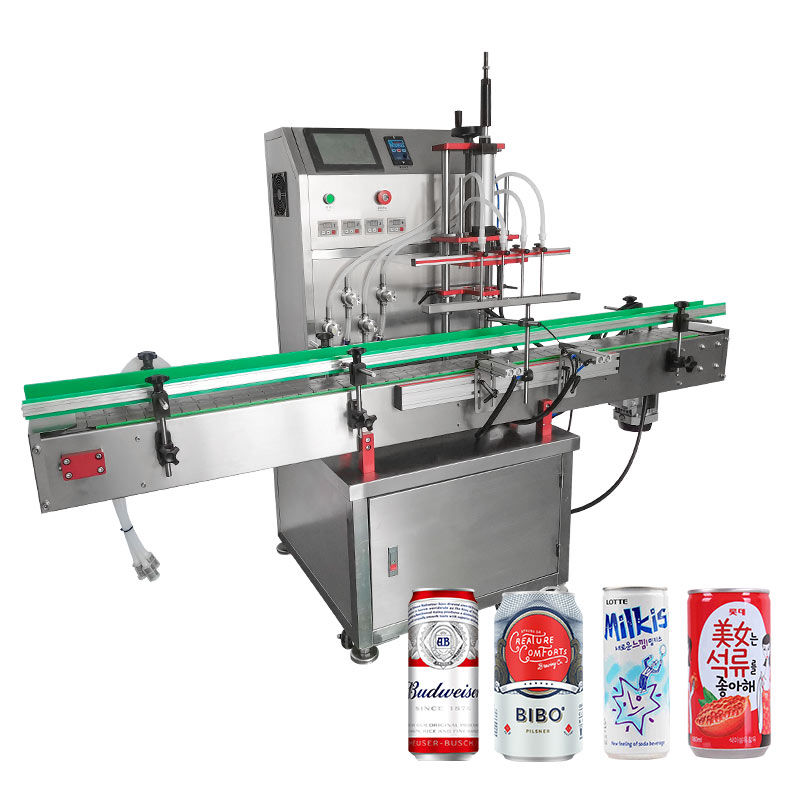 Liquid Filling Machineservo piston dosing for thick products, 100 to 5000 ml within one percent.
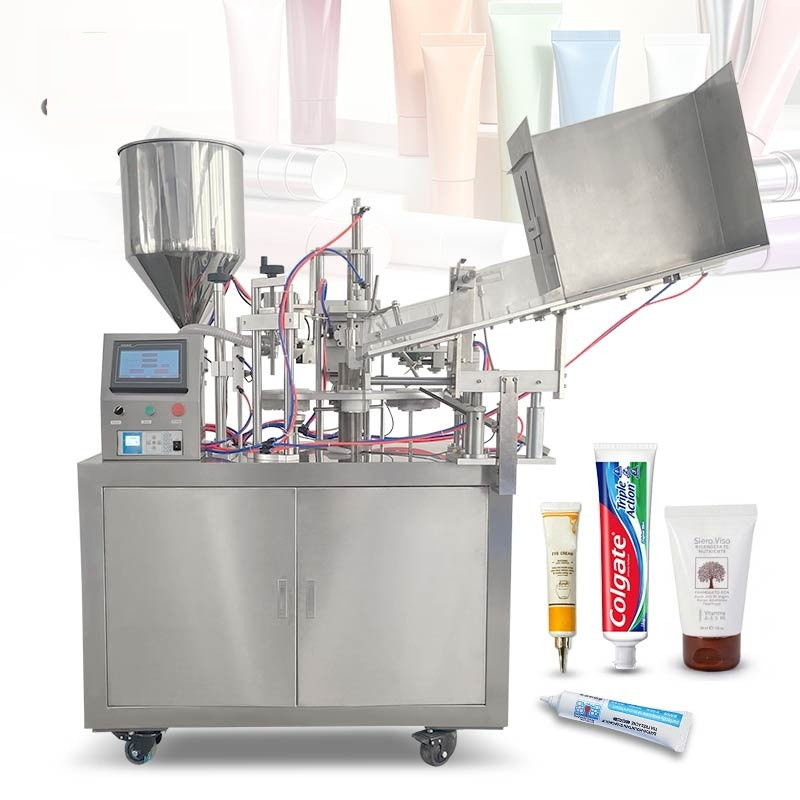 Tube Filling and Sealing Machinesachets and tubes for single-serve paste and sauce.
Typical process parameters
| Stage | Typical setting | What it protects |
|---|---|---|
| Concentrate | 28–30 Brix hot break, 36–38 Brix cold break | colour and viscosity of the finished product |
| Blending temperature | 20–45 °C for cold blend, 85 °C+ for hot | starch activation and enzyme control |
| pH | below 4.2 for ambient shelf life | which preservation route is open to you |
| Hot fill | 85–92 °C into the container | seal sterility without a separate retort |
| Fill accuracy | within ±1% of target weight | label compliance on a dense product |
Questions we get asked
Hot fill or pasteurise and cold fill?
Hot fill is simpler and needs no downstream steriliser, but the product spends longer at temperature, which costs colour. Cold fill protects colour and needs either a preservative system or an aseptic filler.
Will a liquid filler handle ketchup?
Yes, with a piston and a large-bore nozzle. The limit is the hopper and the valve, not the piston; thick products need a bigger port and a slower cycle.
How do I stop separation in the bottle?
Stabilise the solids with the right hydrocolloid and give the product enough shear during blending to hydrate it fully. Under-mixed starch separates in a week.
Does deaeration change the taste?
It changes what the customer sees rather than what they taste: no foam ring in the neck, and the colour holds at the top of the bottle.
Tell us the product and the pack
Send the product, the daily volume and the container you fill into. We come back with the machine list for each stage, the utility requirements and a price.