
Liquid egg is the least forgiving product on this site. Albumen starts to coagulate around 57 °C and whole egg around 60 °C, so the pasteurisation window is a few degrees wide and the cost of overshooting is a scrambled batch that cannot be recovered.
That changes the equipment priority. Temperature control and gentle handling matter more than throughput, and the filler has to deal with a product that foams easily and spoils quickly.
What has to go right
- A window only a few degrees wide Albumen coagulates near 57 °C and whole egg near 60 °C, so a controller that overshoots ruins the batch rather than the batch after it.
- Foam that will not settle Egg white foams under any agitation, and foam in the filler means short fills and air in the pack.
- A product with a shelf life measured in days Liquid egg is a high-moisture, near-neutral product, so every hour above 4 °C after treatment costs shelf life.
The line, step by step
- 01
Break and separate
Shell eggs are broken, the liquid is filtered to remove shell and membrane, and yolk and white are separated where the product calls for it.
- 02
Homogenise and stabilise
Gentle homogenisation keeps the yolk evenly dispersed; over-processing is what creates the foam problem downstream.
- 03
Pasteurise
Low-temperature, long-hold treatment that reaches the target and stops there, then immediate cooling.
- 04
Deaerate
Vacuum treatment removes the foam formed in handling before the product reaches the filler.
- 05
Fill and chill
Filling into bag-in-box, jerry cans or cartons, then rapid chilling to 4 °C.
Machines for this application
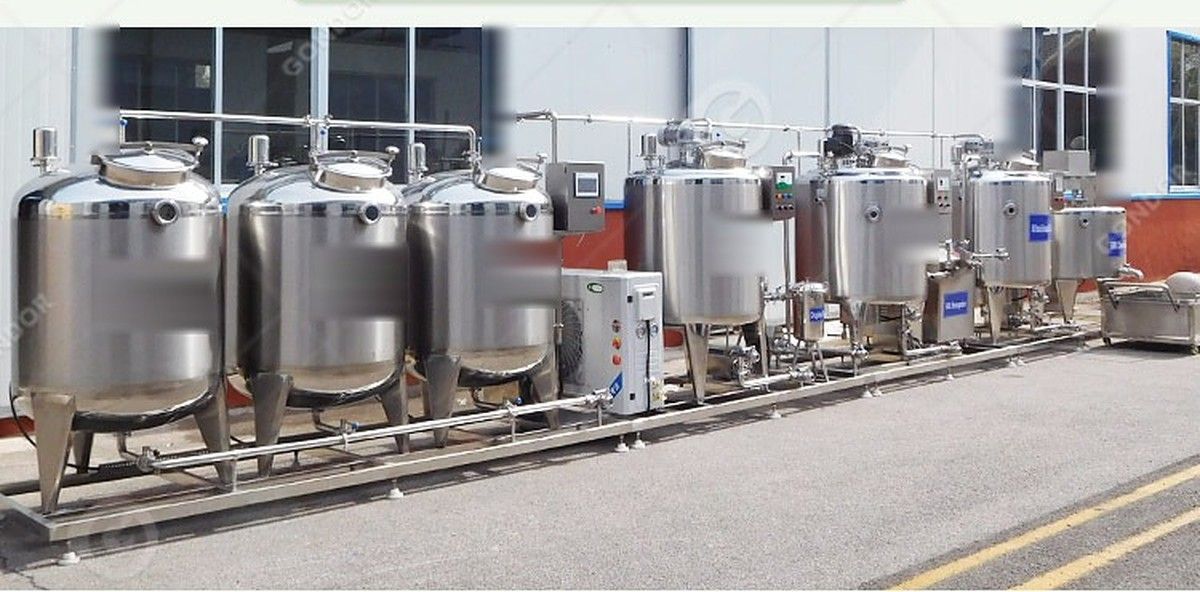
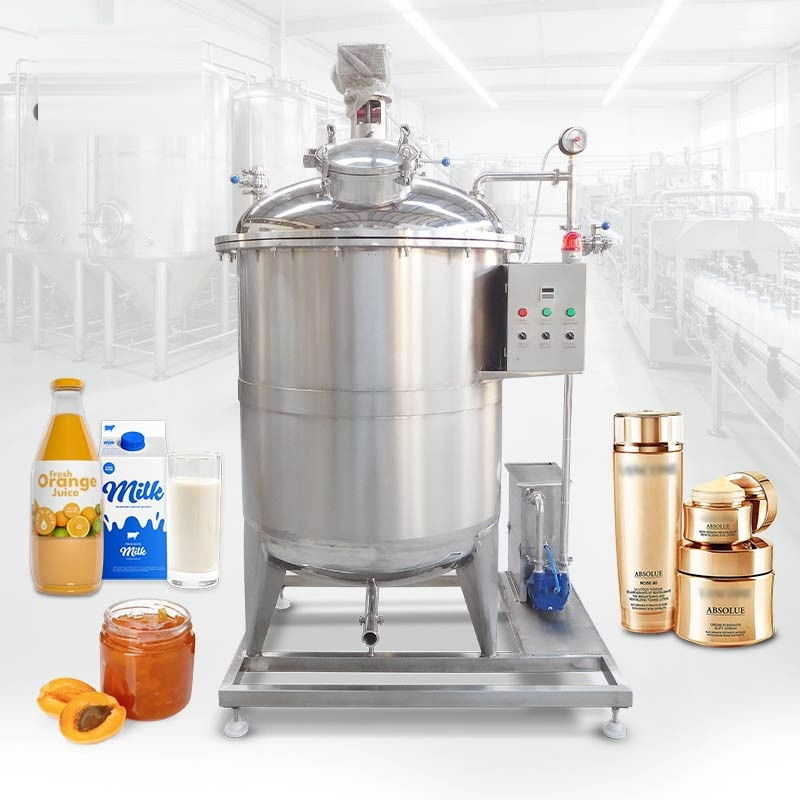
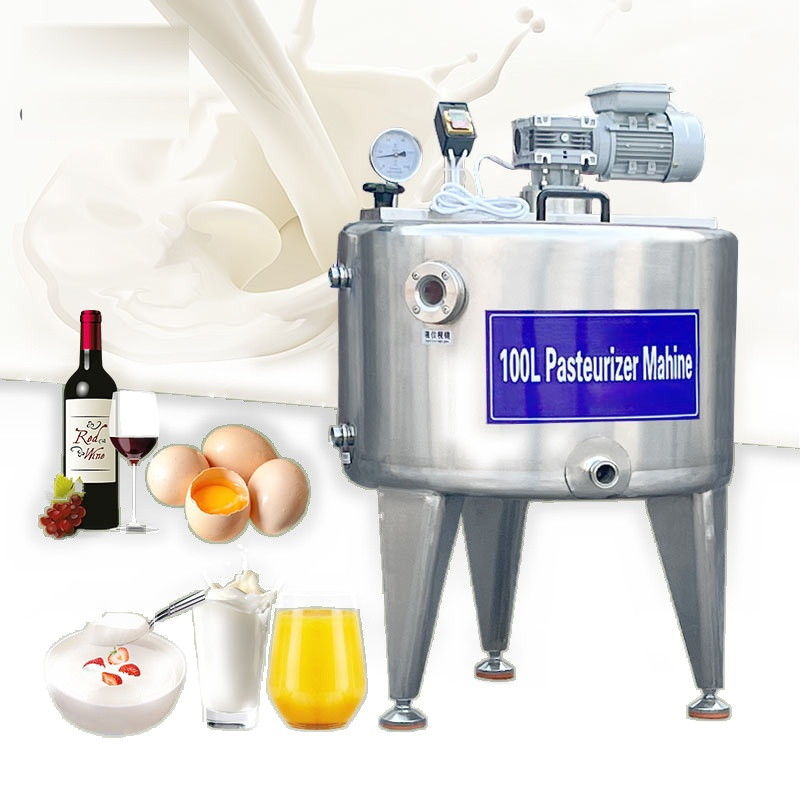 Milk Pasteurizer Machinejacketed batch vessel with programmable hold; the slow water bath suits a narrow window.
 Vacuum Degassercollapses the foam and removes entrained air before filling.
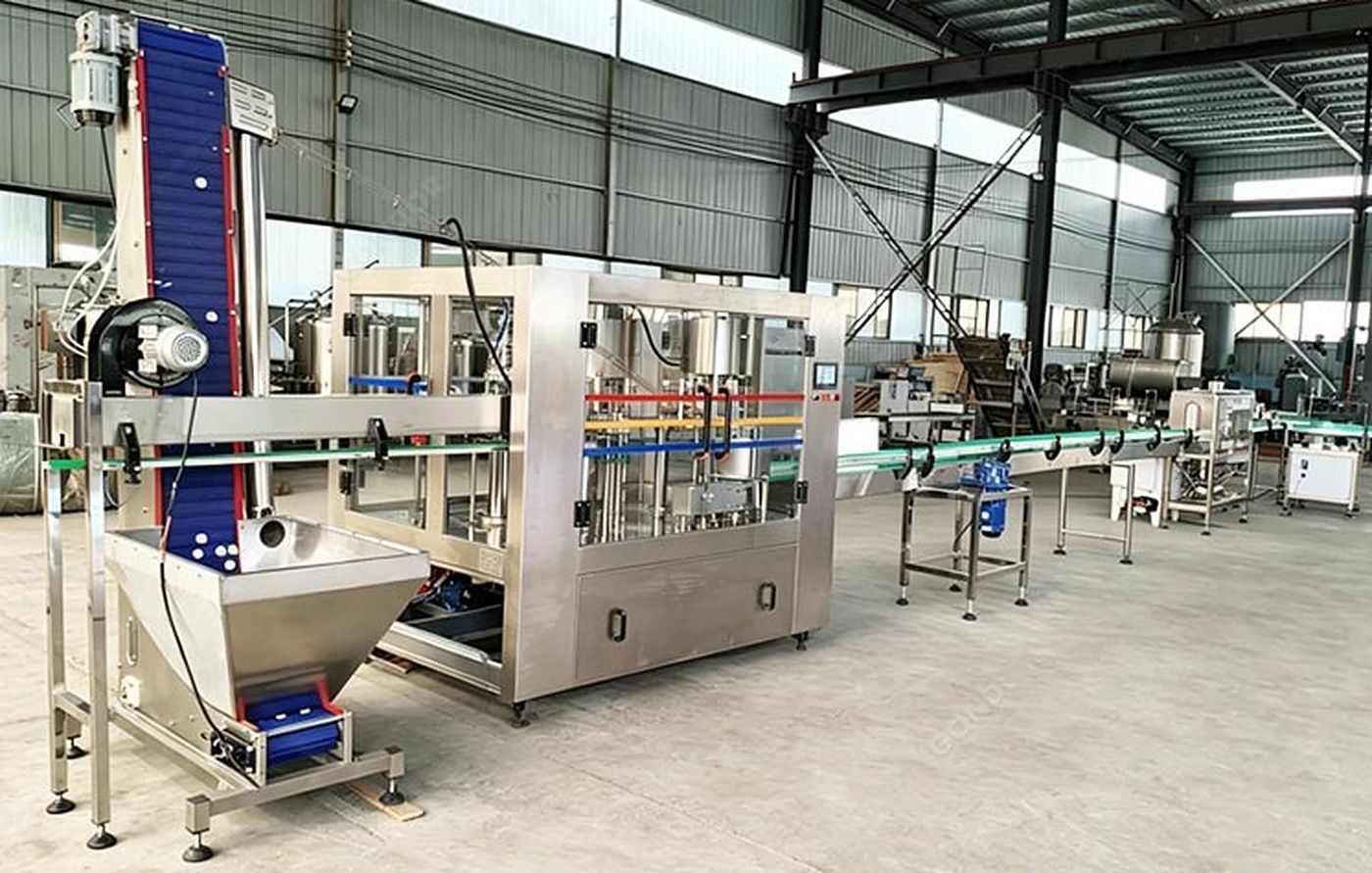
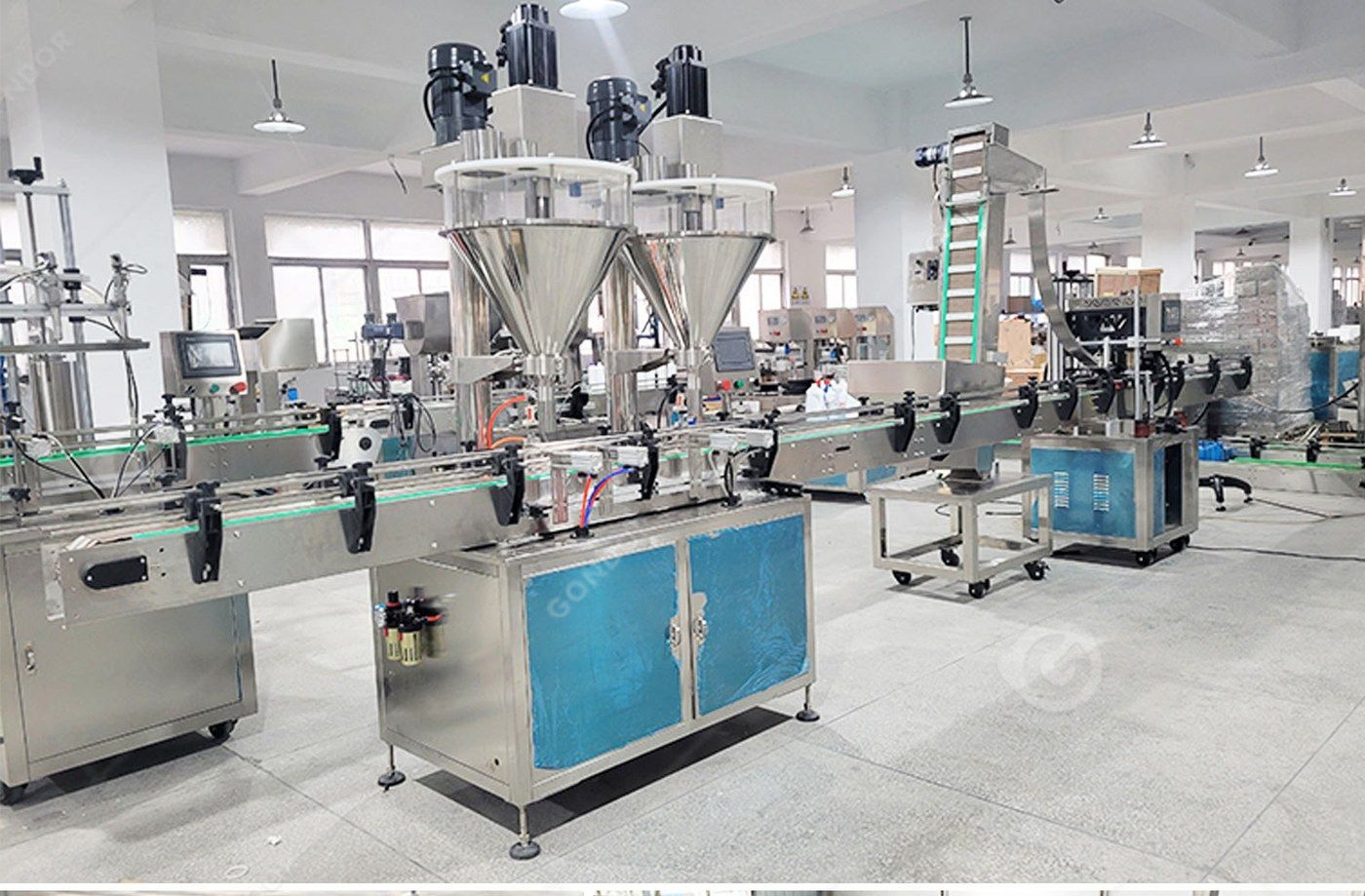
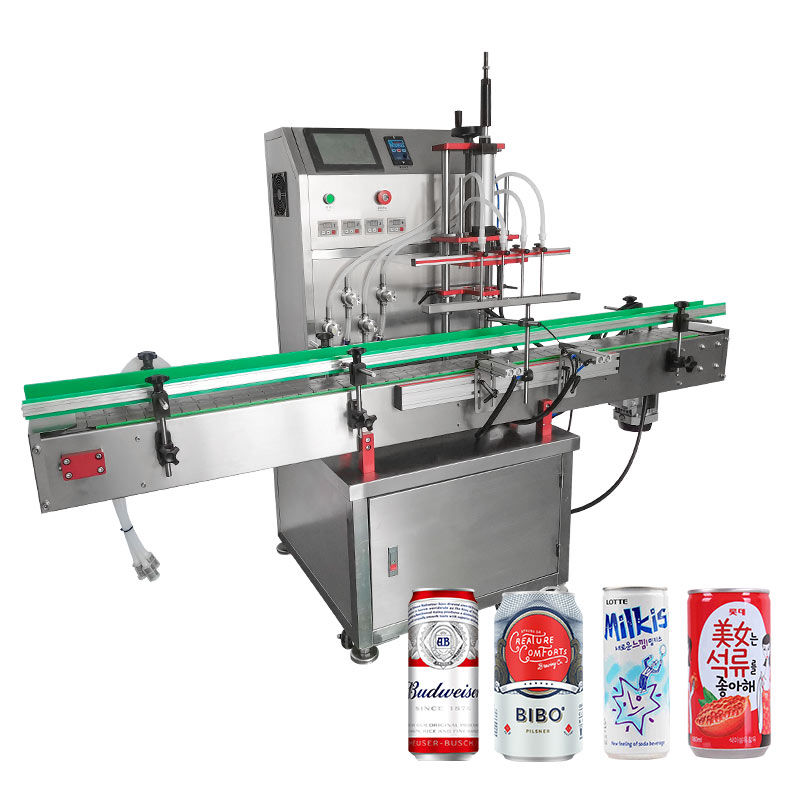 Liquid Filling Machinegentle piston dosing into bag-in-box and cans without whipping the product.
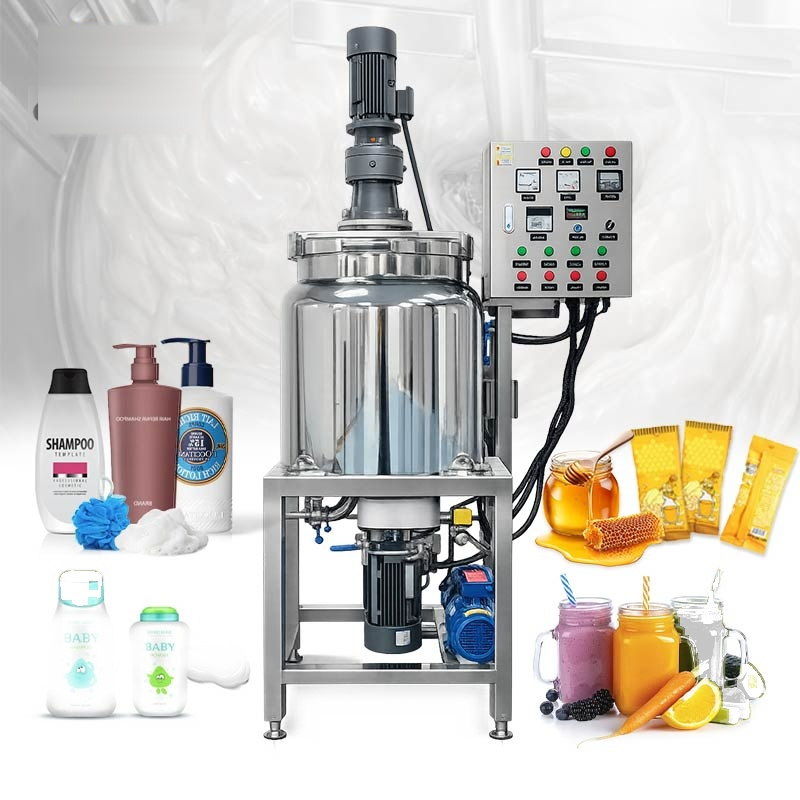 Mixing Tanksalt and additive blending for salted whole egg and liquid egg mixes.
Typical process parameters
| Stage | Typical setting | What it protects |
|---|---|---|
| Whole egg | 60 °C for 3.5 min | salmonella reduction without coagulation |
| Egg yolk | 60 °C for 4.5 min | higher fat means a slightly wider window |
| Albumen | 57 °C for 4.5 min | the narrowest window of the three |
| Post-treatment | chilled to 4 °C within the hour | the shelf life you actually get to sell |
Questions we get asked
Can a batch pasteuriser hold egg at 60 °C accurately enough?
A jacketed water bath heats and cools slowly, which is an advantage here: there is no sudden overshoot at the wall. It needs agitation and a probe in the product, not in the jacket, and it suits small and medium volumes rather than a continuous flow.
Why does the foam matter so much with egg?
Because egg white foams at the slightest agitation and the foam does not collapse on its own. It fills by volume rather than by weight, so the pack is short and the headspace is air.
Is a piston filler suitable for liquid egg?
It is the usual choice for bag-in-box and cans, provided the suction is gentle and the nozzles are wide. A high-shear pump upstream will undo the benefit.
What about whole egg with salt or sugar?
The additives raise the coagulation temperature slightly, which widens the window a little. The recipe and the pasteurisation program have to be validated together, not separately.
Tell us the product and the pack
Send the product, the daily volume and the container you fill into. We come back with the machine list for each stage, the utility requirements and a price.