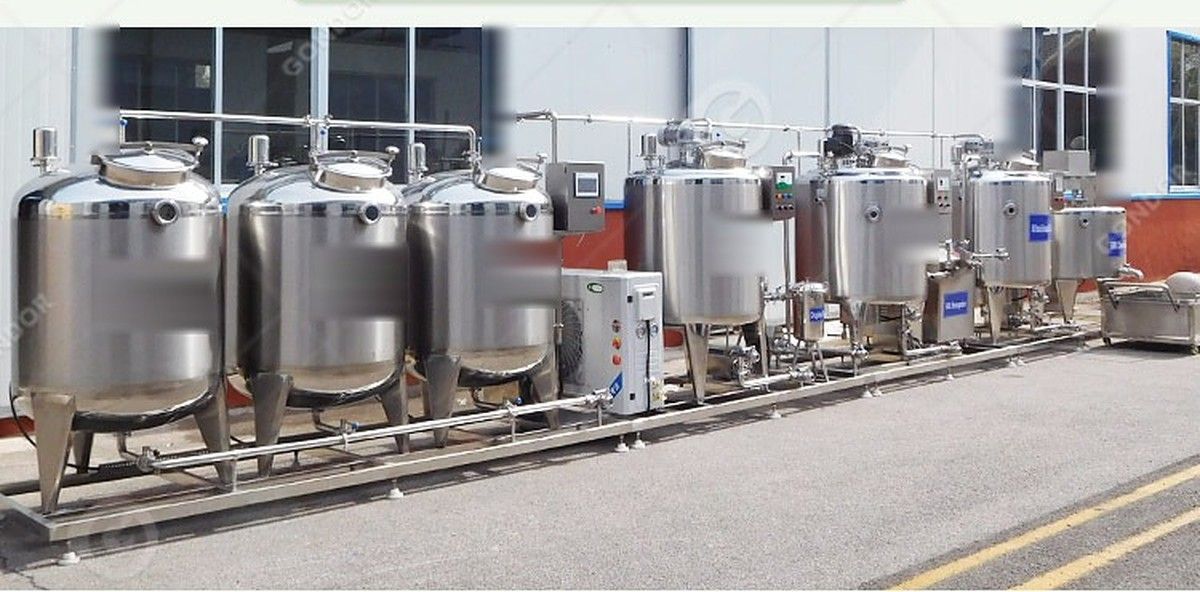

Juice is judged by colour before it is tasted. Oxidation is what takes the colour away, and most of the oxygen that does the damage is picked up between the concentrate tank and the filler, not in the fruit.
So the two stages that matter most are deaeration and the heat treatment that follows it, with filling temperature deciding whether the pack needs a preservative system or not.
What has to go right
- Colour that fades in the bottle Dissolved oxygen plus time equals browning, and no amount of vitamin C added at the end reverses what has already happened.
- Pulp that settles into a hard layer Without the right homogenisation and stabiliser hydration the solids drop out and the bottle looks separated on the shelf.
- A heat treatment that cooks the top note Over-holding at temperature strips the fresh character that the product is sold on, and it is not recoverable.
The line, step by step
- 01
Reconstitute or press
Concentrate is diluted to the target Brix, or single-strength juice is received and chilled.
- 02
Blend
Sugar, acid, vitamins and stabiliser are dissolved under controlled agitation so nothing stays undissolved.
- 03
Deaerate
Vacuum treatment strips dissolved and entrained oxygen before the product is heated, which is the step that protects colour.
- 04
Pasteurise
Tubular or batch heat treatment to the target, held for the minimum time that achieves it, then cooled.
- 05
Hot or cold fill
Hot fill at 85–92 °C into the bottle, or cold fill followed by a cooling tunnel.
Machines for this application
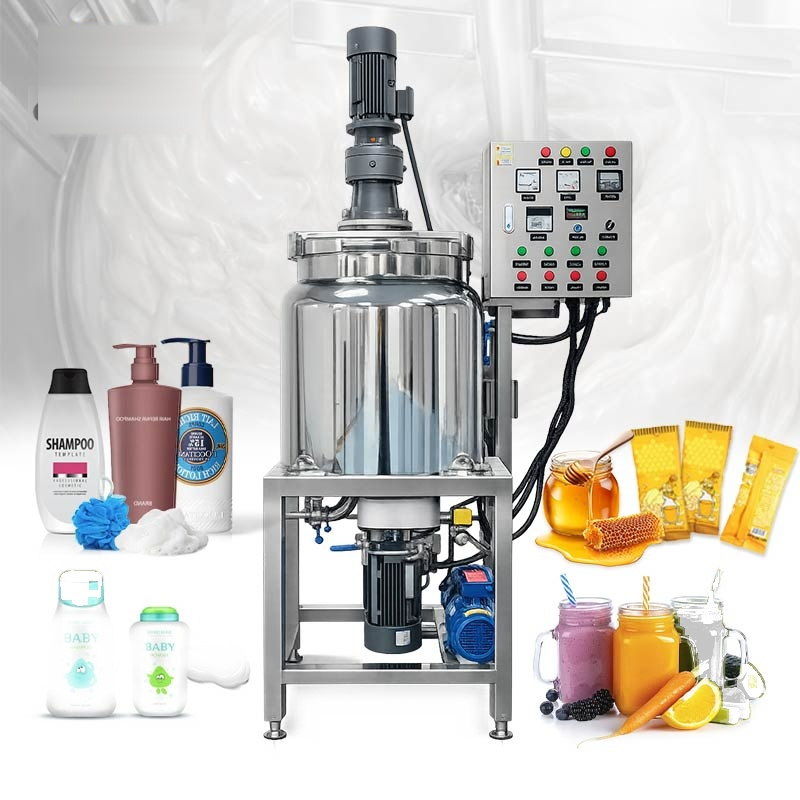 Mixing Tankdilution and blending of concentrate, sugar, acid and stabiliser.
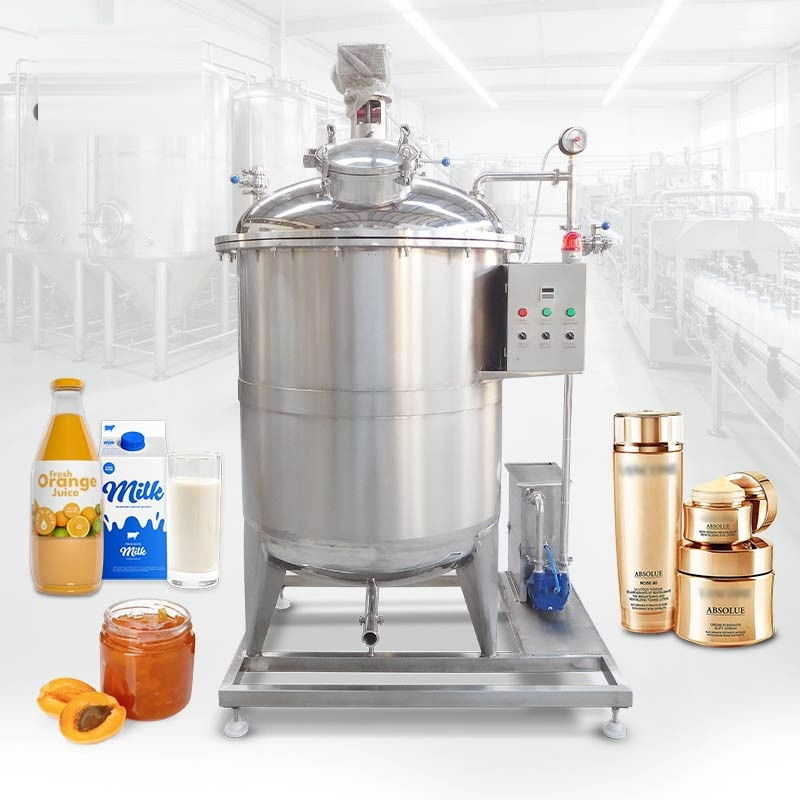 Vacuum Degasserremoves oxygen before heat treatment, which is what preserves colour.
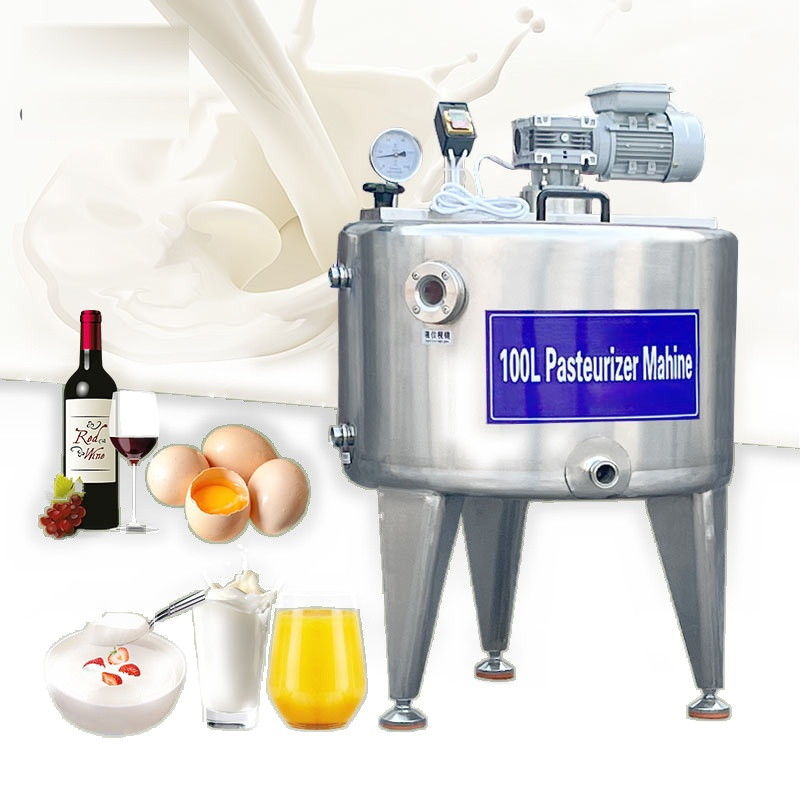 Milk Pasteurizer Machinebatch heat treatment and holding for small and craft volumes.
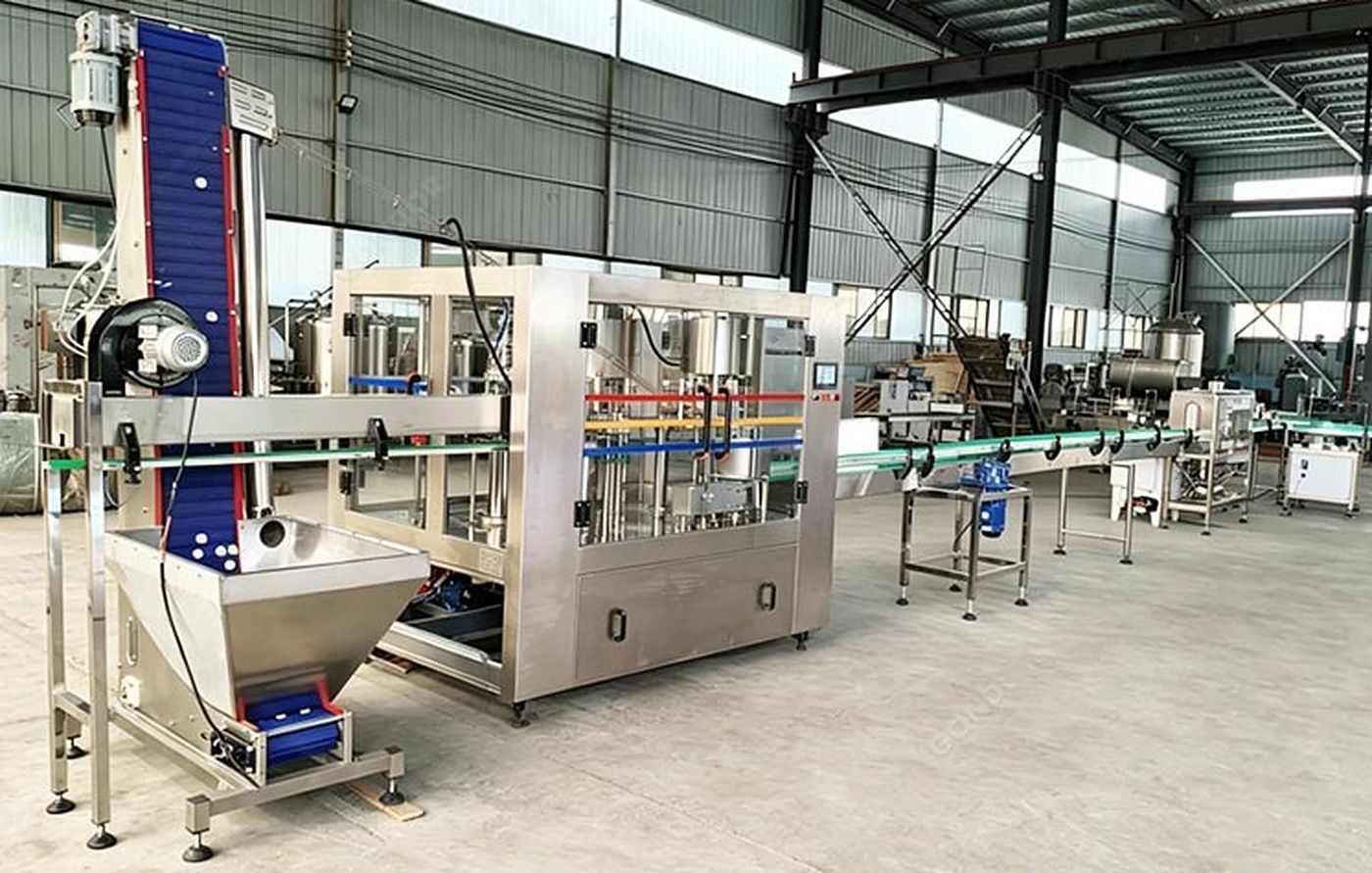
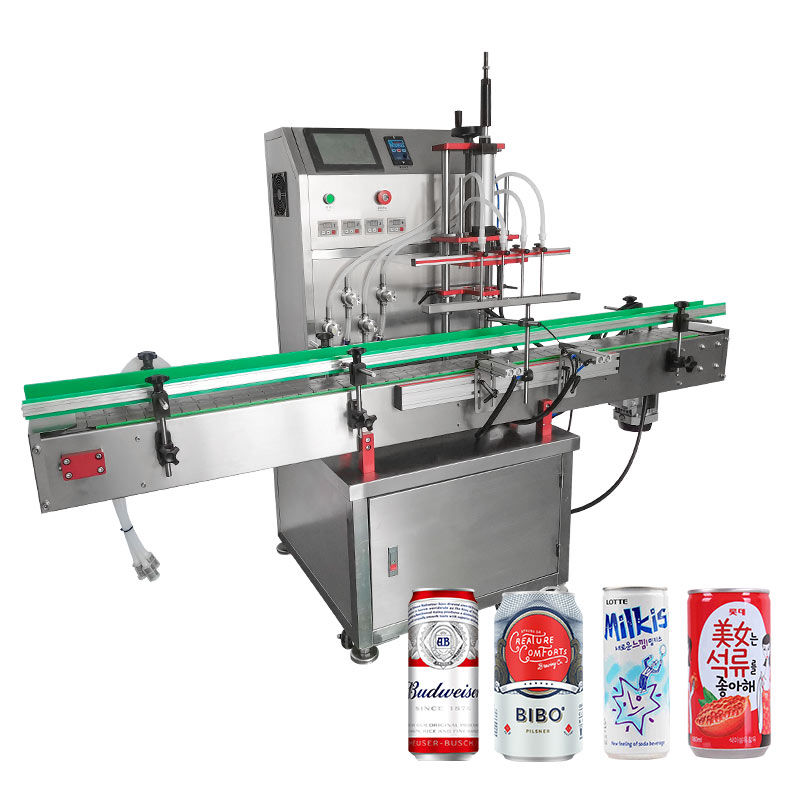 Liquid Filling Machinefills PET and glass at 100 to 5000 ml, hot fill nozzles on request.
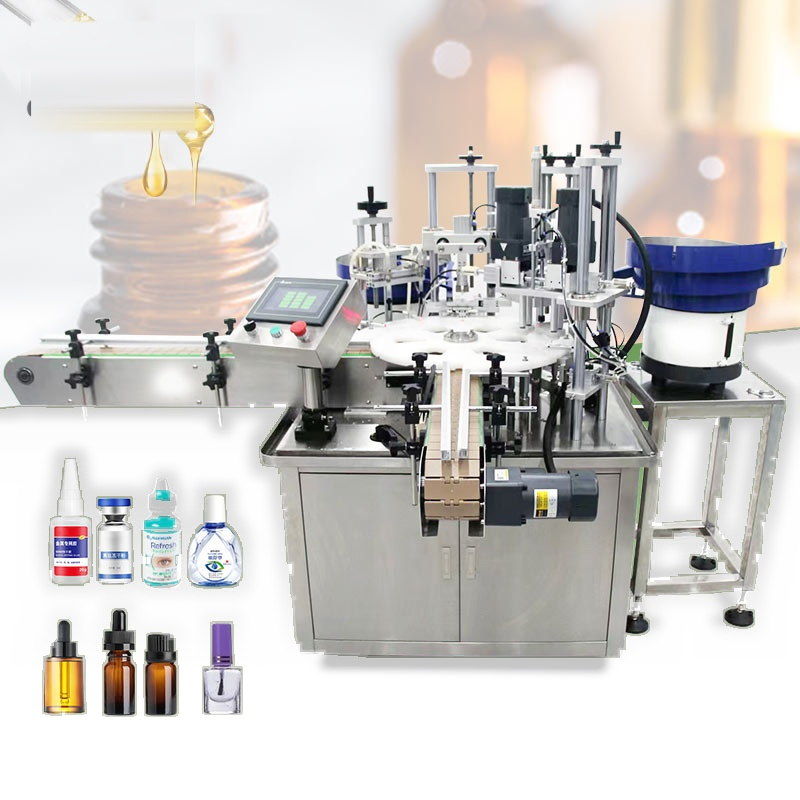 3-in-1 Filling and Capping Machinerinse, fill and cap for higher-volume PET juice lines.
Typical process parameters
| Stage | Typical setting | What it protects |
|---|---|---|
| Brix | set by the product standard, checked per batch | legal composition and taste balance |
| Deaeration | below 1 ppm dissolved oxygen before heating | colour retention through shelf life |
| Hot fill | 85–92 °C into the container | seal sterility without a separate retort |
| Holding time | the shortest time that achieves the target | protecting the fresh top note |
Questions we get asked
Is deaeration really necessary for juice?
For anything with a shelf life, yes. Oxygen dissolved in the product reacts with the pigments and the ascorbic acid, and the bottle browns from the top down. It is the cheapest insurance on the line.
Hot fill or cold fill with preservative?
Hot fill avoids preservatives and needs a heat-tolerant bottle. Cold fill keeps more of the fresh character but needs a preservative system or aseptic filling, and the cooling tunnel takes floor space.
Can one line run several juice recipes?
Yes, if changeover is a flush and a recipe rather than a mechanical change. Keep a separate nozzle set for pulp-heavy products and the rest is cleaning time.
How do I keep pulp from settling?
Hydrate the stabiliser fully during blending and homogenise after deaeration. Under-hydrated stabiliser is the usual reason a bottle separates in three weeks.
Tell us the product and the pack
Send the product, the daily volume and the container you fill into. We come back with the machine list for each stage, the utility requirements and a price.