
Oil is easy to move and hard to fill cleanly. It creeps up the bottle wall, it holds air after pumping, and it changes viscosity by a factor of ten between a cold room and a warm filling hall. The equipment has to be specified around those three facts rather than around the pump curve.
Blends, dressings and fats also need heat: not to cook anything, but to keep the product liquid long enough to be dosed and to stop it setting in the nozzle between cycles.
What has to go right
- Viscosity that changes with the room A line that fills correctly in the morning overfills in the afternoon once the hall warms up, unless temperature is controlled rather than assumed.
- Oil on the outside of the bottle A single drip per bottle means a pallet of cartons with grease marks and a label that will not stay down.
- Oxidation before the sell-by date Air left in the headspace and oxygen dissolved in the oil both shorten shelf life, and the customer tastes it as rancidity.
The line, step by step
- 01
Receive and hold
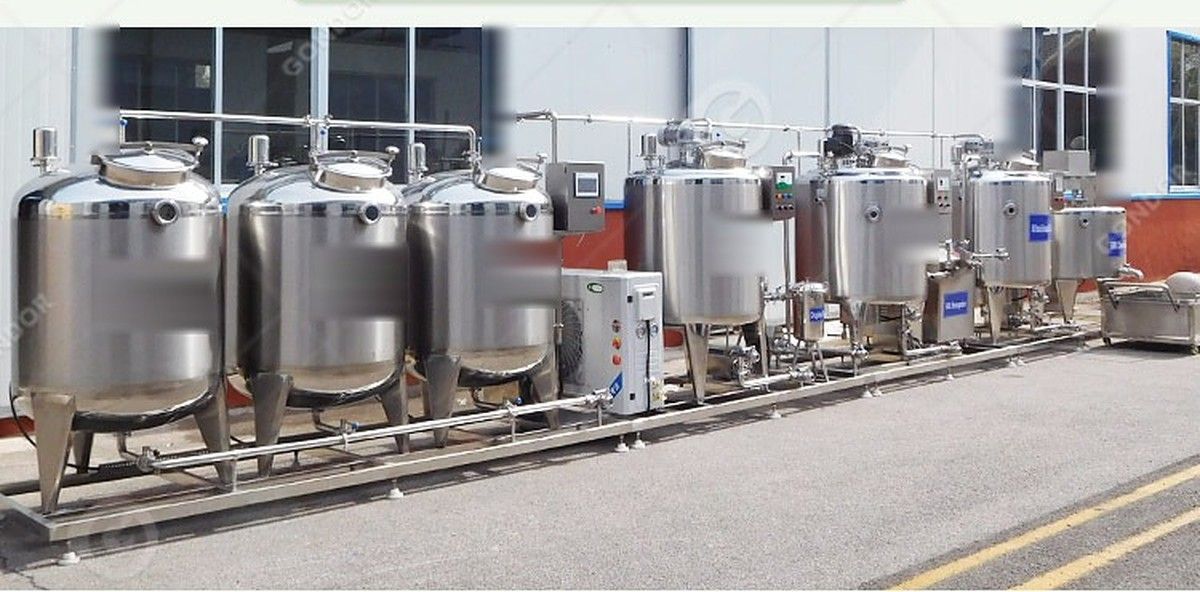
Bulk oil is held in jacketed tanks at a temperature that keeps it pumpable without adding heat history.
- 02
Blend
Multi-oil blends and dressings are mixed to a specification, with the emulsifier added under controlled shear for dressings.
- 03
Heat if needed
Fats and ghee are brought to filling temperature in a jacketed vessel, then held there rather than cycled up and down.
- 04
Deaerate
Vacuum deaeration removes entrained air, which is what causes the fill to look short after a day on the shelf.
- 05
Fill, cap and pack
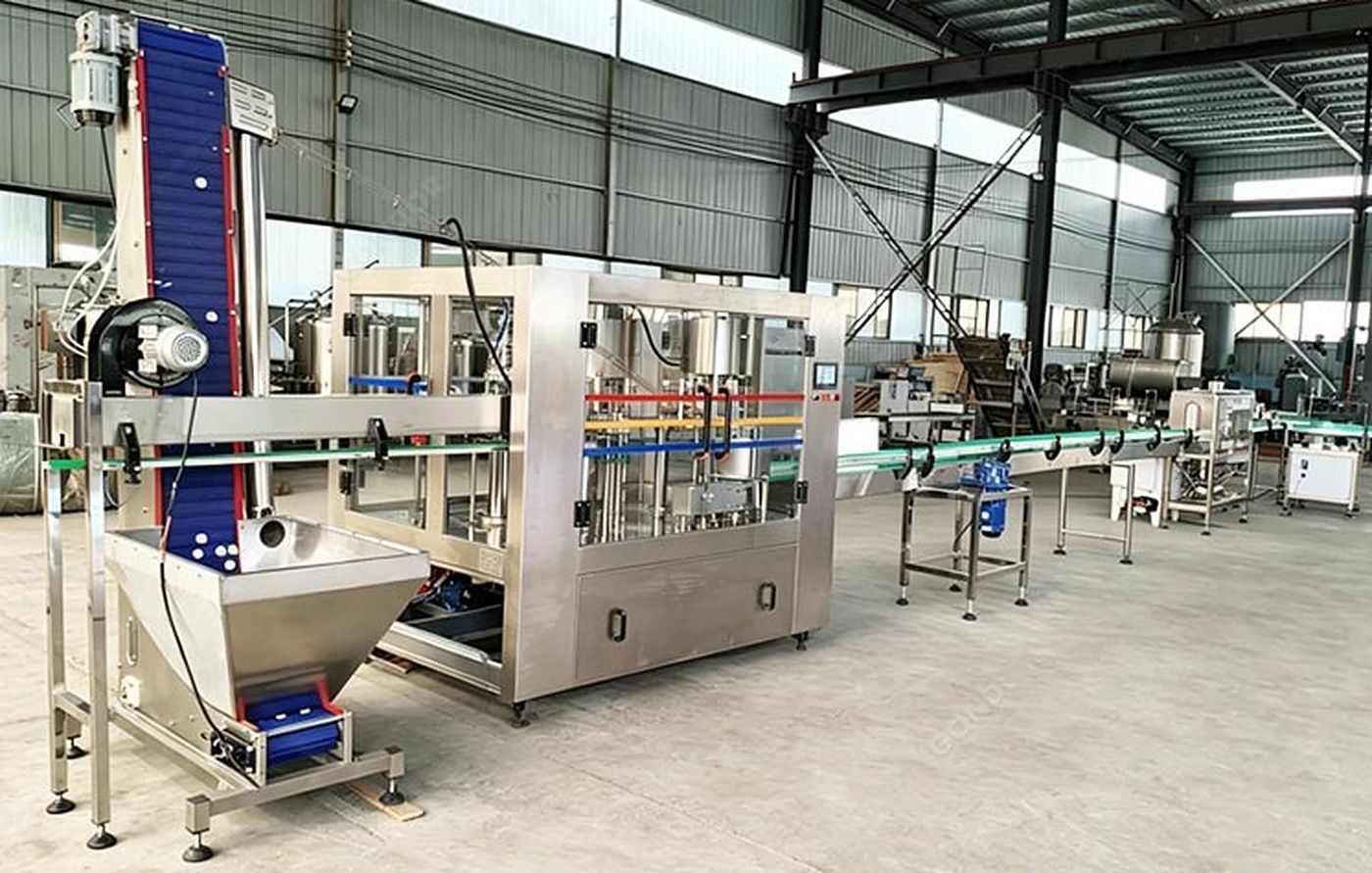
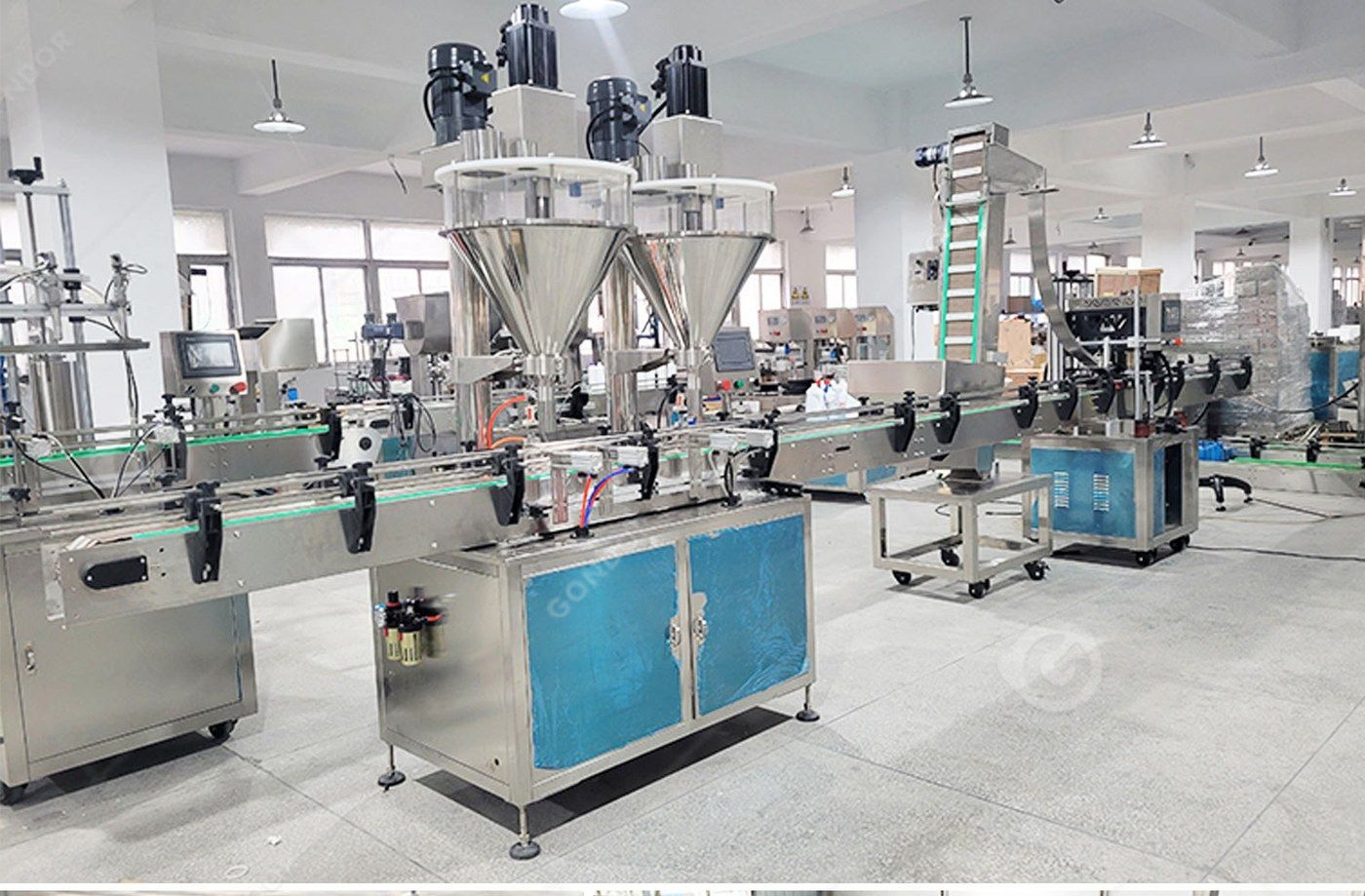
Piston or net-weight filling into PET, glass or tins, then cap and case.
Machines for this application
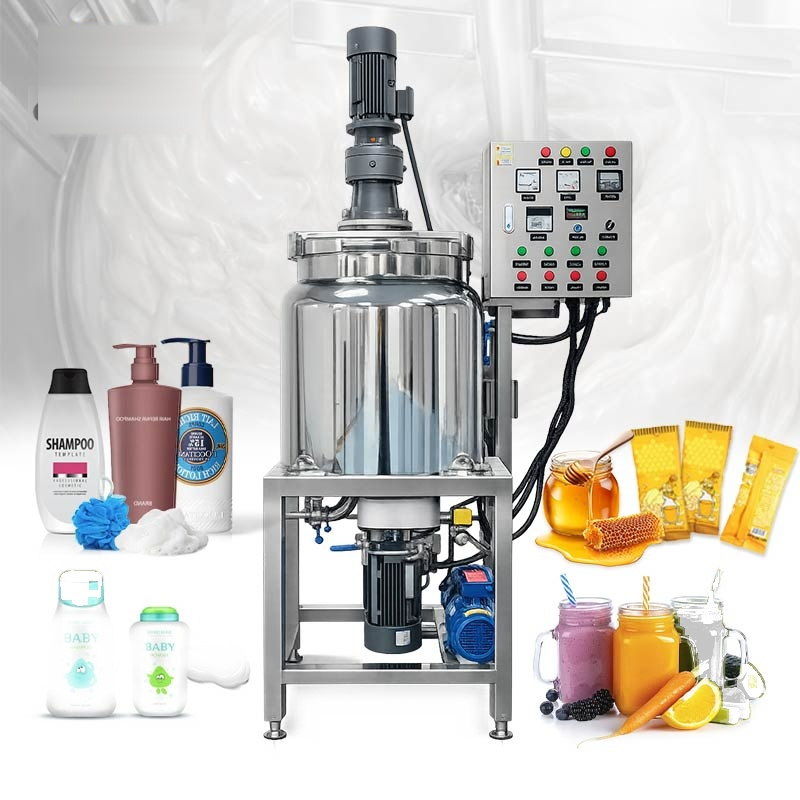 Mixing Tankjacketed blending and holding; the jacket is what keeps viscosity stable through the shift.
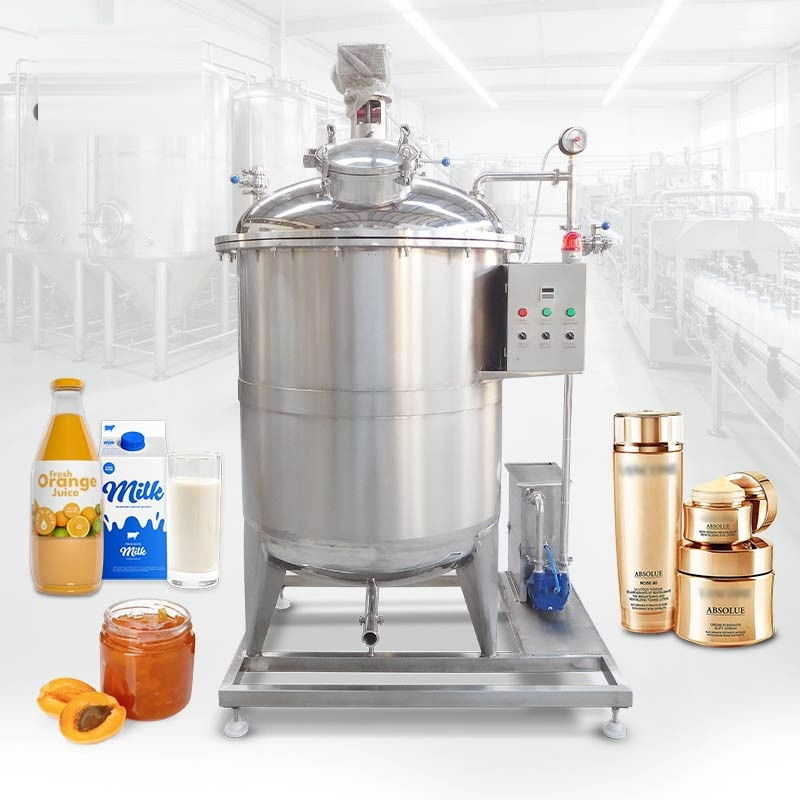 Vacuum Degassertakes the air out so the bottle does not look underfilled a week later.
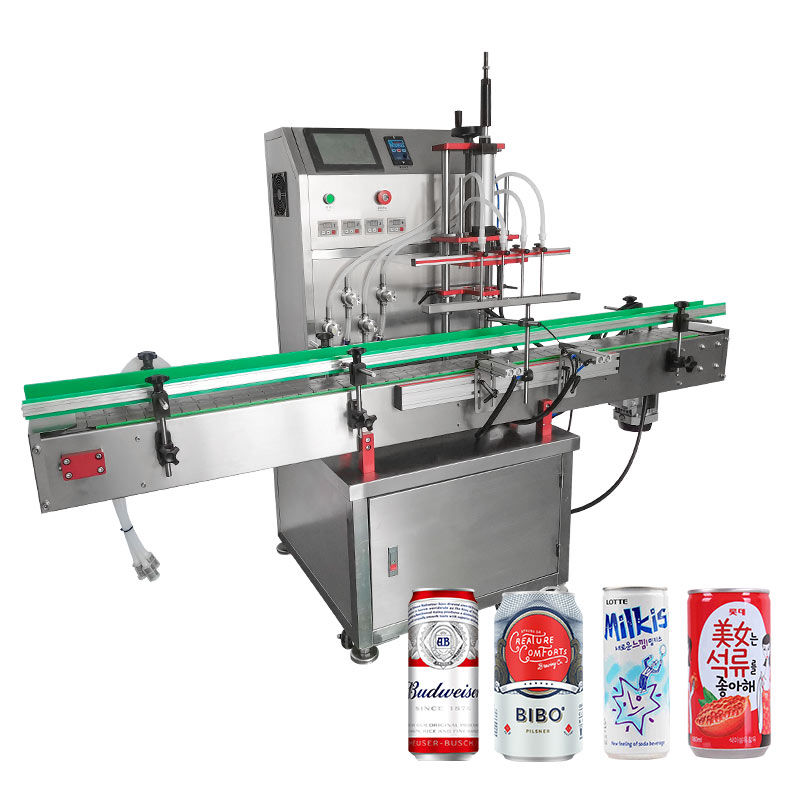 Liquid Filling Machineservo piston dosing with suck-back nozzles, 100 to 5000 ml, heated hopper on request.
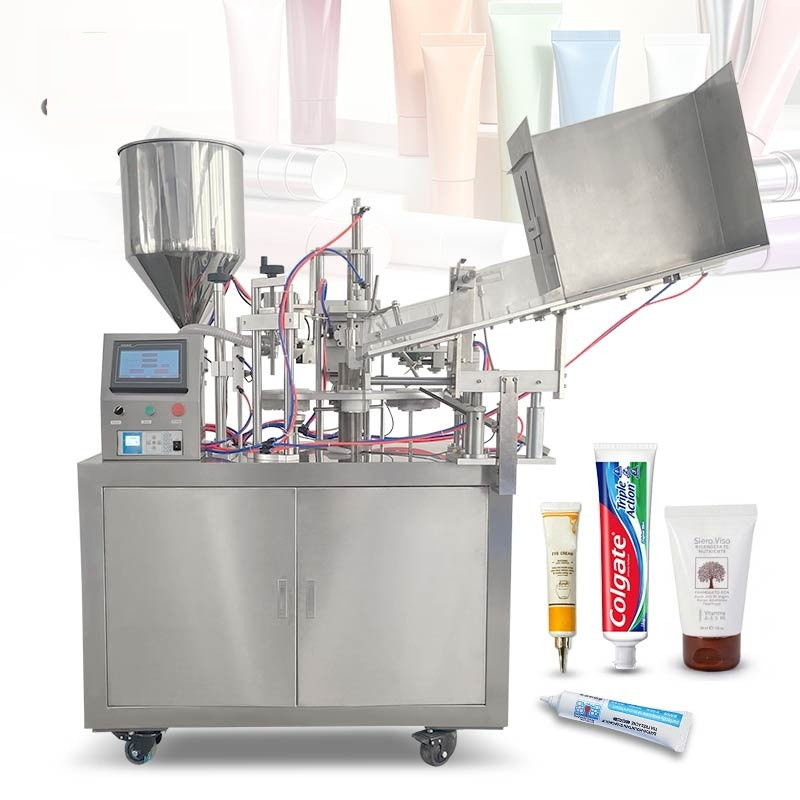 Tube Filling and Sealing Machinetubes and sachets for dressings, pastes and single-serve fats.
Typical process parameters
| Stage | Typical setting | What it protects |
|---|---|---|
| Holding temperature | 20–45 °C for liquid oils, 55–65 °C for fats | pumpability without adding heat history |
| Fill temperature | matched to the product, heated hopper above 40 °C | dosing repeatability on a viscous product |
| Fill accuracy | within ±1% of target weight | label compliance and give-away cost |
| Nozzle | suck-back or blow-off, wide bore | a dry thread and a label that stays on |
Questions we get asked
Can the filler handle a thick dressing?
Yes with a large-bore nozzle and a slower cycle. Above roughly 5000 mPa·s the limit becomes the hopper feed rather than the piston, so a heated or agitated hopper is part of the specification.
Do I need deaeration for cooking oil?
It is not universal, but it is cheap next to the complaint it prevents. Oil that has been pumped hard holds air, fills look short, and the headspace oxygen shortens shelf life.
How do I stop oil dripping onto the bottle?
Suck-back nozzles, a drip tray and a correct nozzle-to-neck distance solve almost all of it. Widening the nozzle to speed the cycle is what usually causes the drip in the first place.
Is one line enough for several oil types?
Usually yes if the changeover is a flush and a recipe rather than a rebuild. Keep a separate nozzle set for the thickest product and the changeover is a few minutes.
Tell us the product and the pack
Send the product, the daily volume and the container you fill into. We come back with the machine list for each stage, the utility requirements and a price.