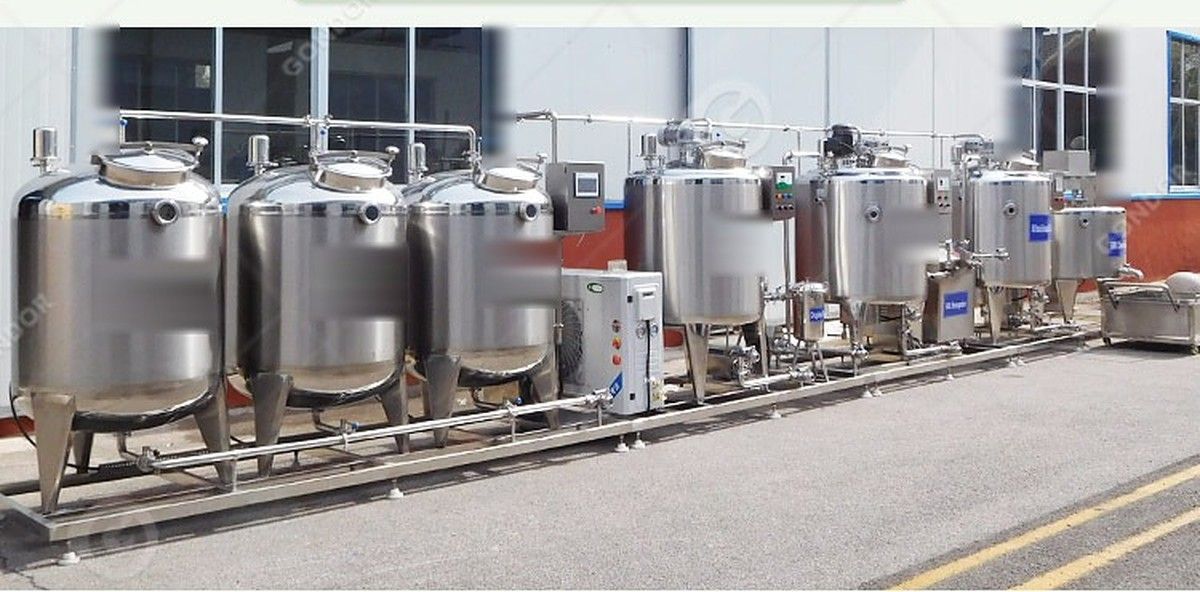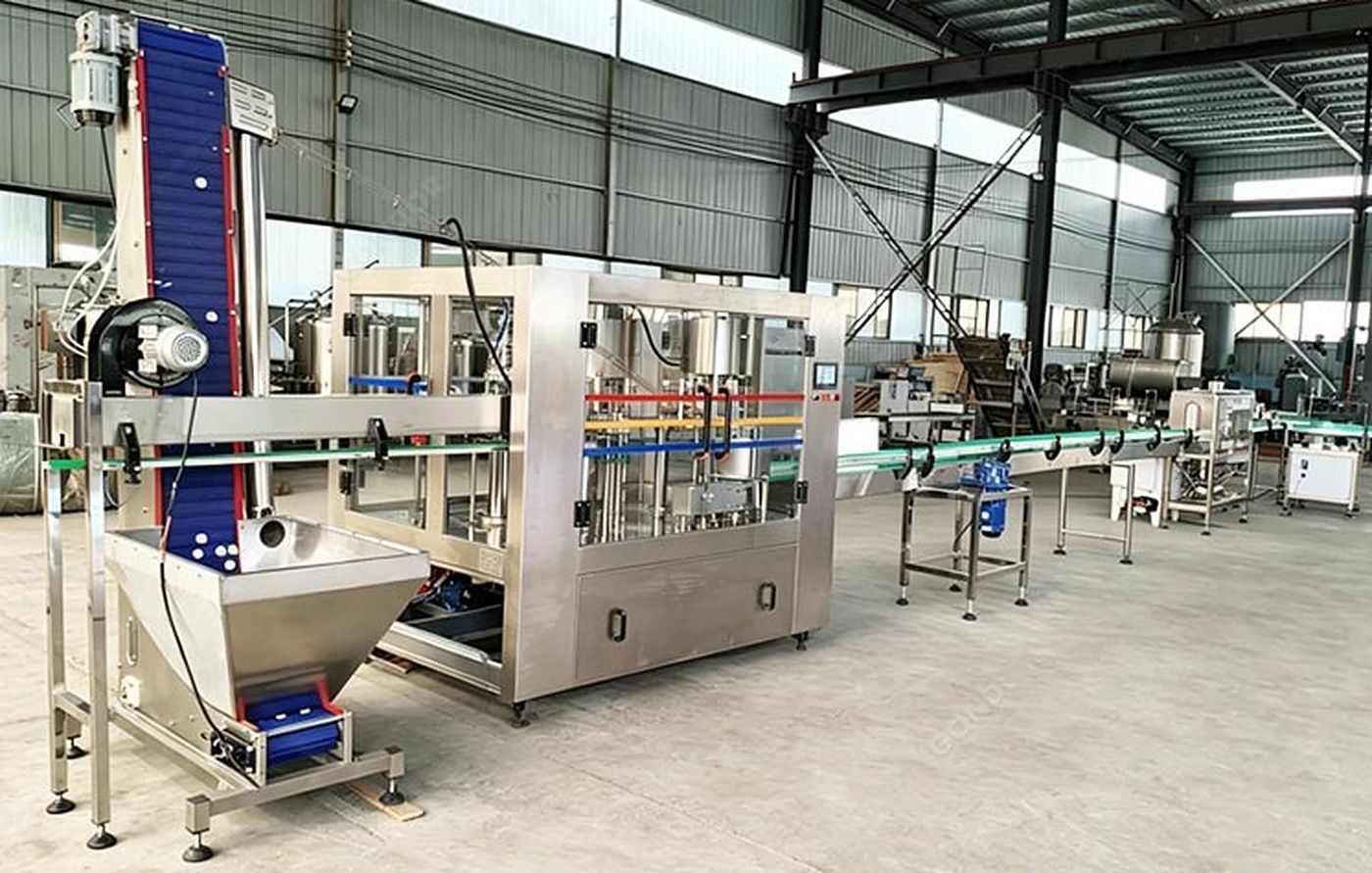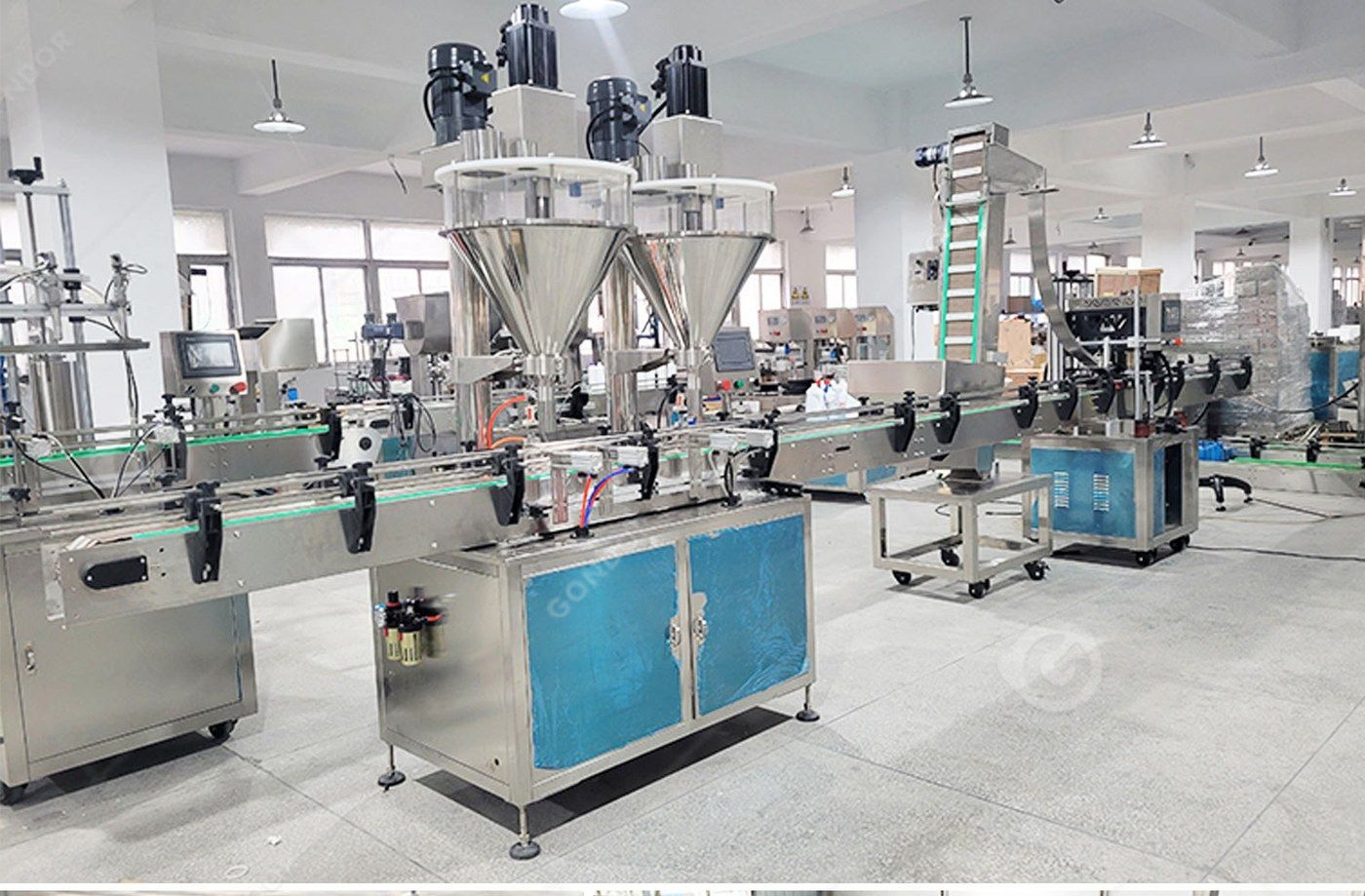

Cheese is a dewatering process that happens to taste good. The vat sets a gel, the knife decides how much whey can escape from it, and the drain decides how much actually does. Yield and texture are set in that window, long before the press.
What the plant controls directly is temperature, cut size and time. What it controls indirectly, through those three, is moisture, pH and how much of the milk solids end up in the block instead of down the drain.
What has to go right
- Curd that shatters or smears A knife that cuts too hard, or a vat that cools during cutting, produces fines that leave with the whey and never reach the block.
- Uneven temperature across the vat Setting starts where the wall is warmest, so the gel firms at different rates and the cut is never clean.
- Yield lost in the whey Every point of fat and casein that escapes the curd is paid for twice: once in the milk, once in the disposal cost.
The line, step by step
- 01
Standardise and pasteurise
Fat and casein are set to the recipe, then the milk is heat treated and cooled to setting temperature.
- 02
Fill the vat and inoculate
Starter and rennet go in under gentle agitation so the coagulant is distributed before the gel forms.
- 03
Set and cut
The gel is left undisturbed until it breaks cleanly over the knife, then cut to a size matched to the target moisture.
- 04
Stir and drain
The curd is cooked and stirred to expel whey, then drained and transferred to moulds or the cheddaring belt.
- 05
Press, brine and pack
Blocks are pressed, salted in brine, dried and vacuum packed or cut to retail weight.
Machines for this application
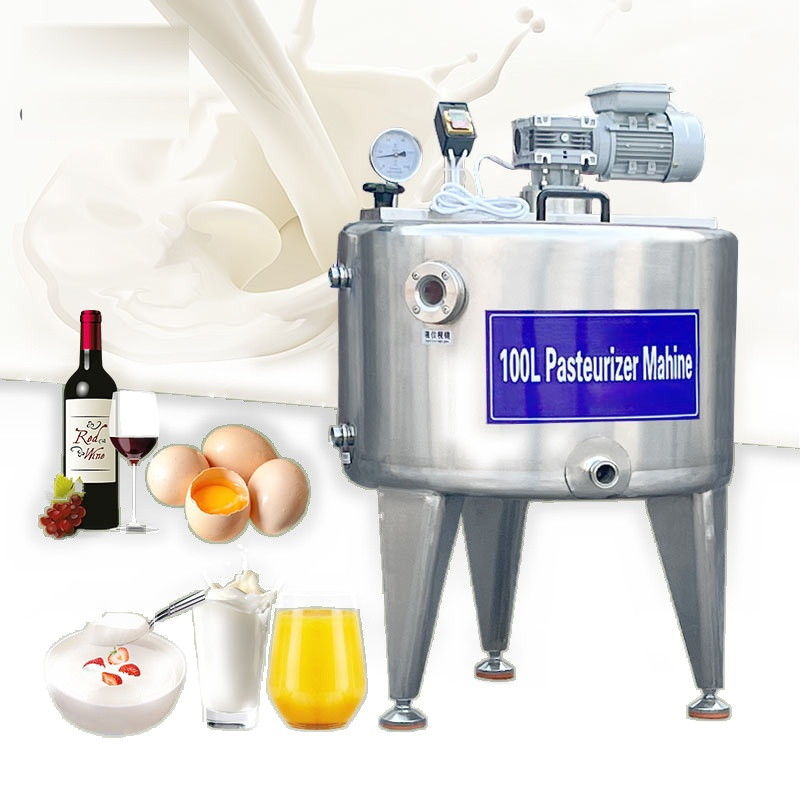 Milk Pasteurizer Machineheat treats the cheese milk and cools it to setting temperature.
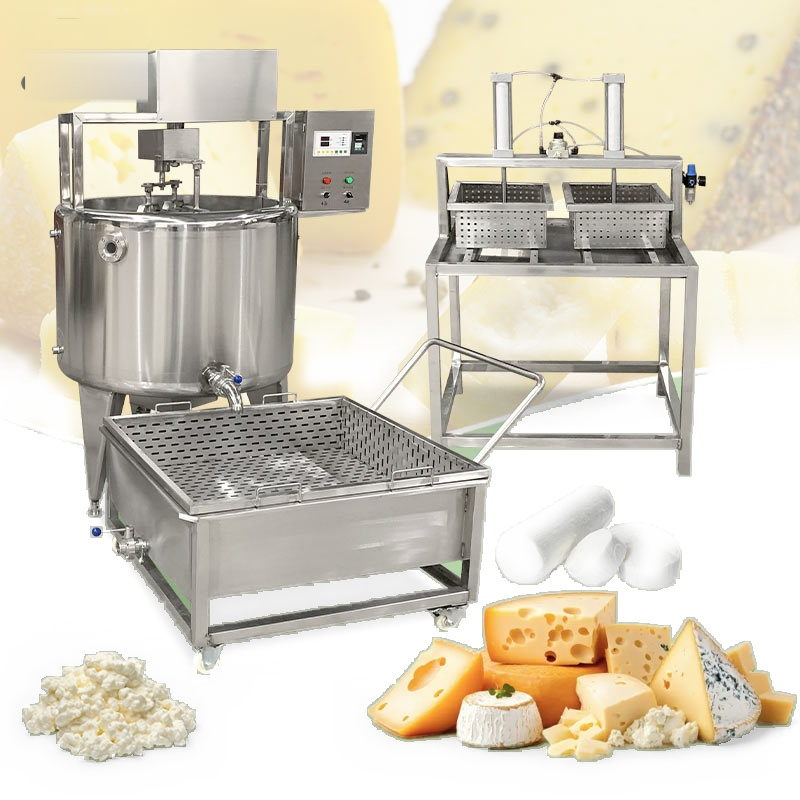 Cheese Making Machinethe vat itself: setting, cutting and part of the drain in one vessel.
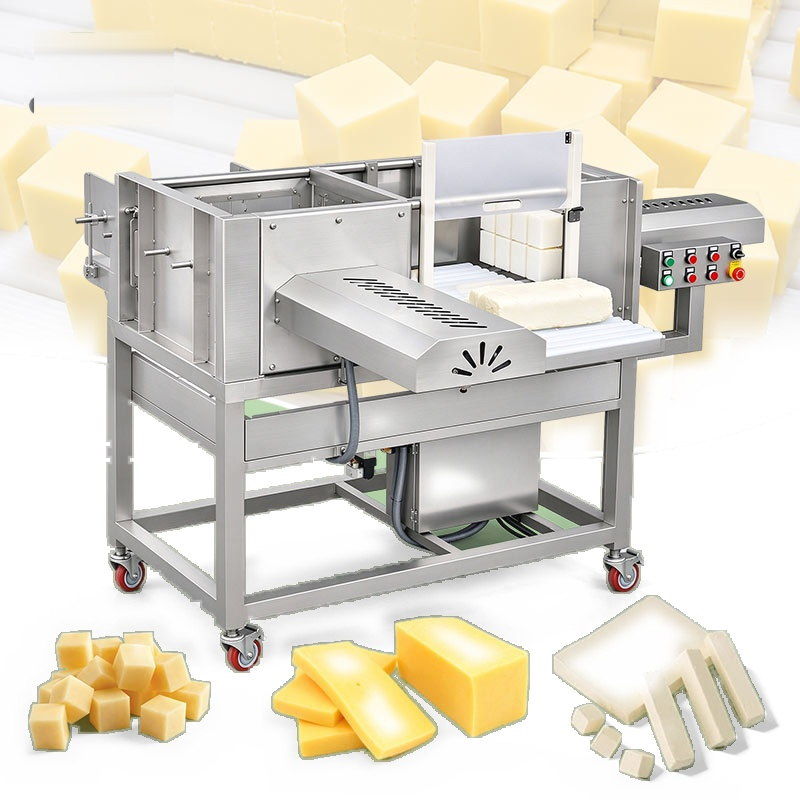 Cheese Cutting Machinecuts curd to a repeatable size instead of by eye and wrist.
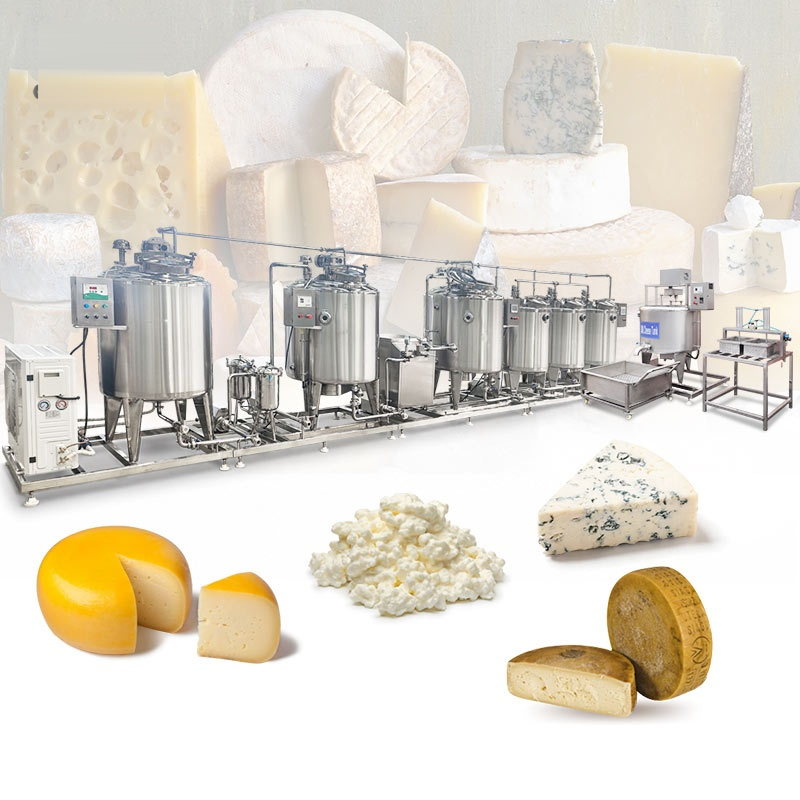 Cheese Production Linevat, drain, mould and press arranged as one flow for higher volume.
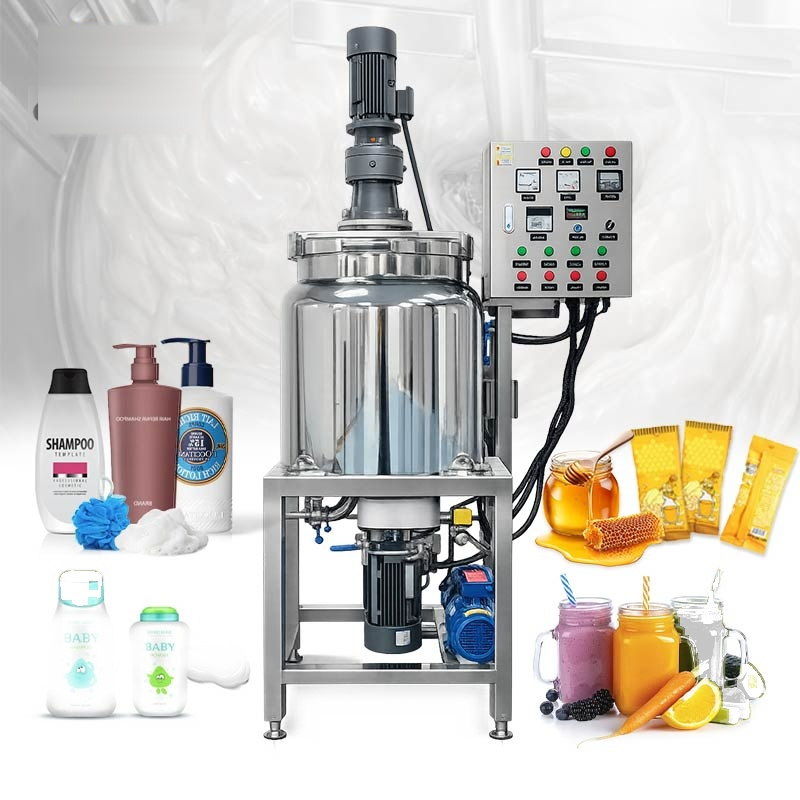 Mixing Tankprepares brine and wash water at a controlled strength and temperature.
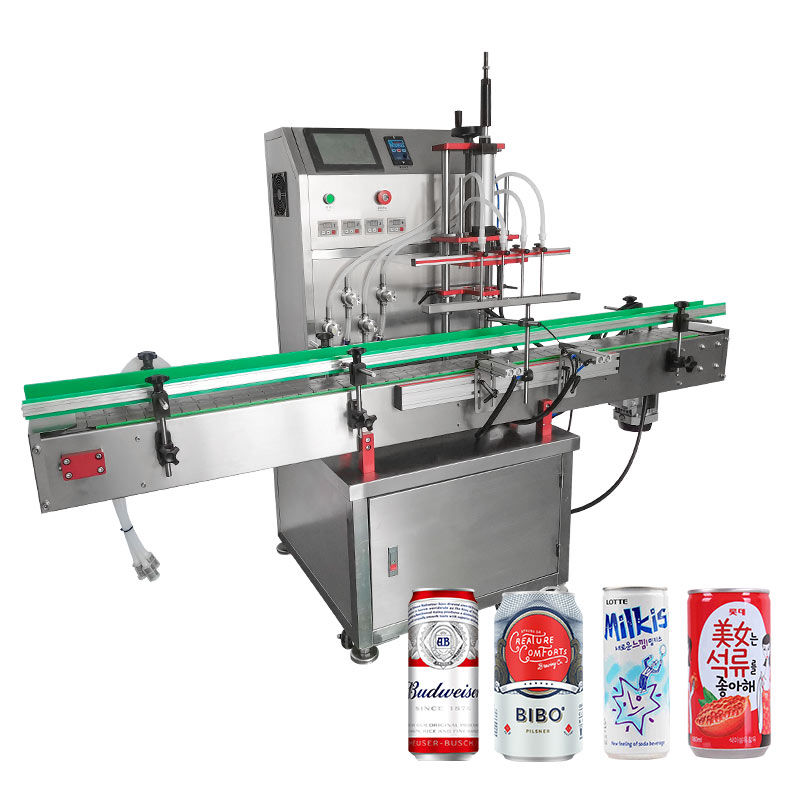 Liquid Filling Machinefills whey drinks, brine and fresh cheese into cups and jars.
Typical process parameters
| Stage | Typical setting | What it protects |
|---|---|---|
| Setting temperature | 32–38 °C depending on variety | gel strength and the speed of acid development |
| Cut size | 6–20 mm curd cubes | moisture retention and texture in the finished block |
| Drain pH | 6.1–6.3 at whey-off for cheddar | mineral balance and the stretch of the finished curd |
| Brine | 18–22% salt at 10–12 °C | salt uptake and rind formation |
Questions we get asked
Can one vat make both cheddar and mozzarella?
The vessel can, the downstream flow cannot. Cheddar needs cheddaring and milling, mozzarella needs stretching in hot water. Most plants share the vat and split after draining.
How much does cut size really change yield?
Enough to see on the monthly report. A finer cut releases more whey and lowers moisture, which raises yield per vat but risks a drier body; the right size is the one the variety was designed around.
Do I need a separate brine tank?
Brine is a saturated salt solution held cold, so it is usually a dedicated tank rather than the process vessel. A jacketed mixing tank works if it is reserved for brine only.
What is the smallest viable cheese setup?
A 100–200 L pasteuriser, one small vat and a press will make saleable fresh cheese. Anything aged needs humidity and temperature control that costs more than the vat itself.
Tell us the product and the pack
Send the product, the daily volume and the container you fill into. We come back with the machine list for each stage, the utility requirements and a price.