


About Gondor

About Us

Gondor builds dairy plant and liquid filling equipment for creameries, yogurt plants, cheese makers, bottlers and contract packers, sized against the building and the product rather than a catalogue page.

Built in our plant

Machining, fabrication and assembly under one roof.

Drawn to your room

Ceiling height, steam supply and floor space set the design.

Export and start-up

Packing, documents and on-site commissioning.

Want the build details or a reference list? Talk to us →
Who we are

Dairy plant and liquid filling equipment, sized to the volumes you actually run

Gondor builds for creameries, yogurt plants, cheese makers, beverage bottlers and contract packers. Most of what we ship goes into a building that already exists, and that building sets the design.

A fixed ceiling height. A steam supply that was sized for something else. A floor poured long before anyone drew a drainage slope. Those constraints shape a machine far more than a catalogue page does, so we start there rather than with a model number.

Machines leave our floor sized against a real product. A milk with a known fat and protein range. A yogurt with a known viscosity at filling temperature. A bottle with a known neck finish. That is the only way we know to hold fill weight inside tolerance when product temperature swings between a cold morning start-up and the fourth hour of a full run.

From our floor

Built, piped and run before it is crated

Frames welded and pickled on the wet side, panels and instruments fitted, then the unit runs with product or a substitute load while the buyer watches the recording.

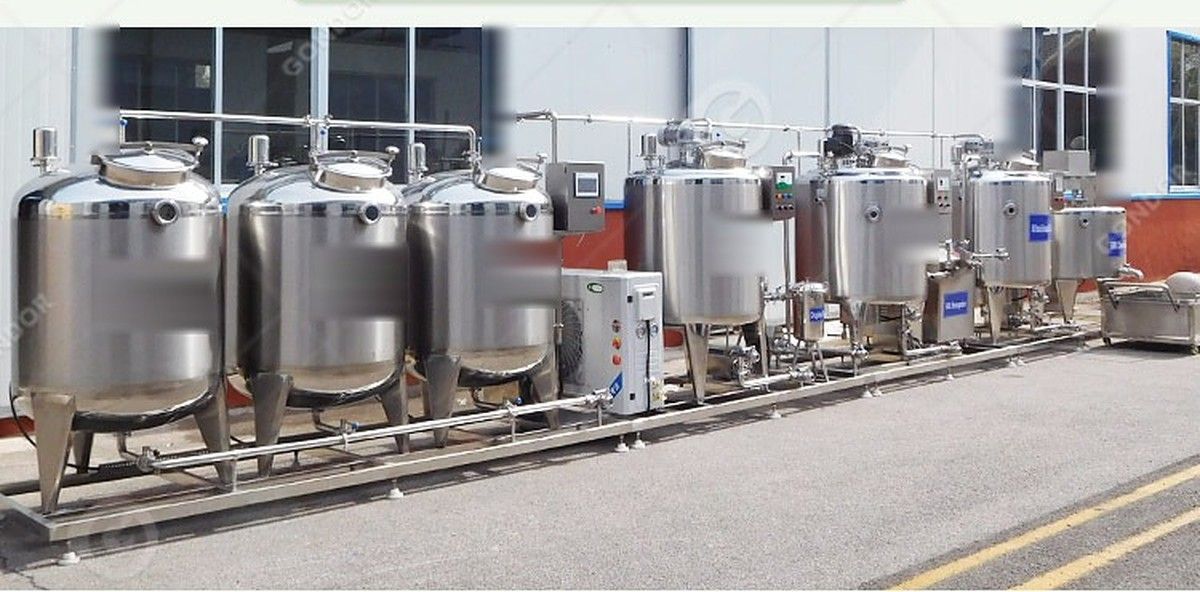
Dairy processing tanks built by Gondor, piped and ready for dispatch
Process tanks piped and skid-mounted before dispatch
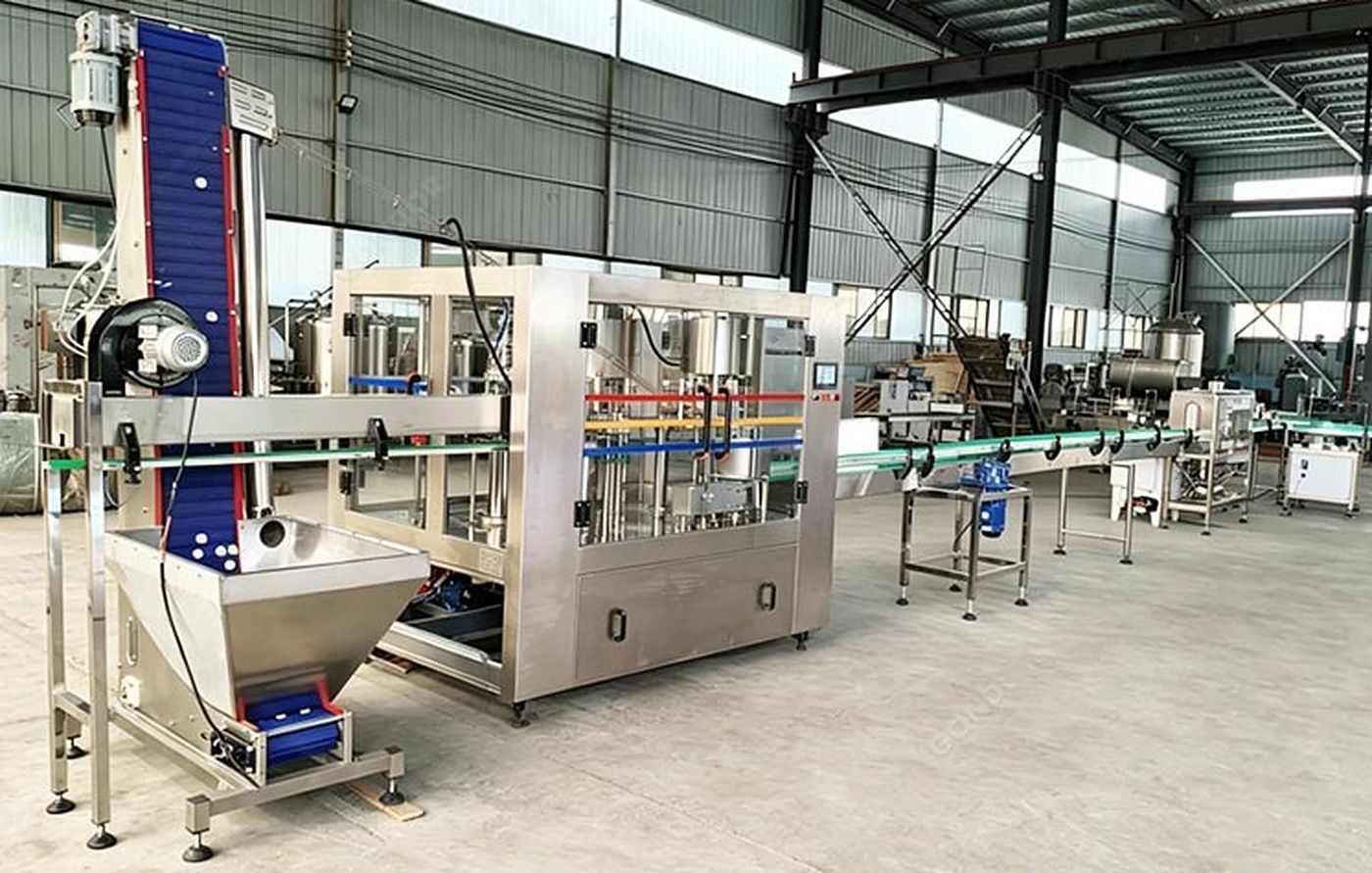
Bottle filling line installed in a customer plant
A filling line running in a customer plant after commissioning
Stainless steel dairy processing tanks and filling equipment built by Gondor
What we build

Four things a buyer checks before the order is signed

Scope, material, the way it fits your plant, and what happens after the crate is opened.

Complete lines, or the one machine

Single machines when one step is the bottleneck. Whole lines when the chain has to answer to one throughput figure and one control system. Most projects start with one machine and grow into a line two or three years later, so utility connections and footprint stay compatible between the two.

Build and finish

Product contact parts in SUS304, 316L where brine, salt or acid cleaning is in the loop. Welds ground and pickled on the wet side. A surface finish your inspector can measure, not just describe.

Customised to site and standard

Capacity, voltage, control language, jacket pressure, discharge height, and the way the machine talks to the PLC you already have. We ask for the P&ID and the floor plan early, because most late changes in a project are layout problems wearing a different hat.

Export and start-up

Equipment running in dairy plants and bottling halls across Asia, Africa, the Middle East, South America and Europe. Export packing, documentation, spares lists and commissioning support travel with the machine.

What ships with it

Six items that travel in the same container

Not options to be quoted later. They go with the machine because a line that cannot be maintained or commissioned on site is not finished.

  • Material and finish

    Frames stainless or coated carbon steel, depending on whether the machine sits in a wet washdown zone. Contact parts to the grade the product asks for.

  • Documentation

    A manual covering assembly, seal and gasket changeover, lubrication points, and the electrical schematic. Line drawings and a spares list follow in the same shipment.

  • Spares strategy

    Wear items catalogued as part numbers and quoted with the machine, rather than sourced after a failure.

  • Voltage and controls

    Configured to the destination country standard. PLC and HMI language set before shipment.

  • Trial before shipment

    Run with product or a substitute load before crating, with video sent to the buyer.

  • Installation

    Drawings supplied ahead of delivery. Remote commissioning included, on-site support available.

How a project runs

Five stages, from your first message to the first production shift

  1. 01 You send Product, pack format, output per shift, and the P&ID if one exists.
  2. 02 We size Model, footprint, utilities and CIP matched to the building.
  3. 03 Drawing and quote Layout drawing, configuration and the utility figures to check.
  4. 04 Build and test Fabrication, assembly, run test, video before crating.
  5. 05 Ship and start up Export packing, documents, commissioning and the first shift.
Our standard
A configuration should be defensible on paper before it is quoted.

Every machine we ship can be traced back to the product spec, the target throughput and the hygiene requirement it was sized against. If a number cannot be explained, it does not go on the quotation.

Start with the product and the volume per shift

Send the product, the pack and the hourly output. You get a configuration, a footprint drawing and the utility figures to check against your building before anything is ordered.

WhatsApp Email
Process first, machine second — pick the product you make. All applications ›
Dairy processing tanks and plate heat exchangers installed in a production hall
Bottling line installed in a factory hall, bottles moving through the filler

Turnkey Production Lines

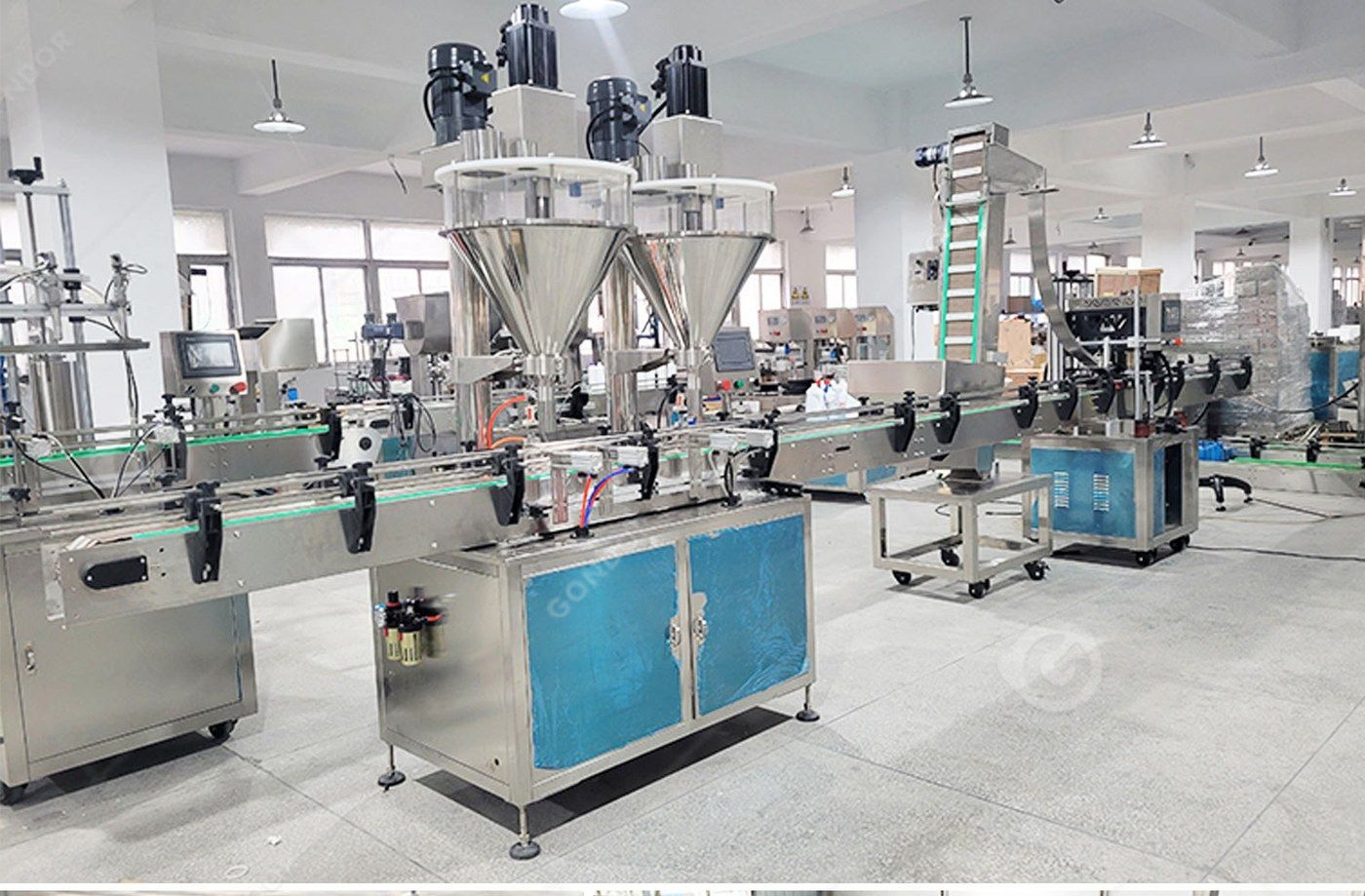
A complete line is more than a row of machines. We size the filler, the sealing station and the conveyor runs against your product, pack format and shift target, then deliver it as one commissioned unit.

Complete powder filling line running in a factory hall