
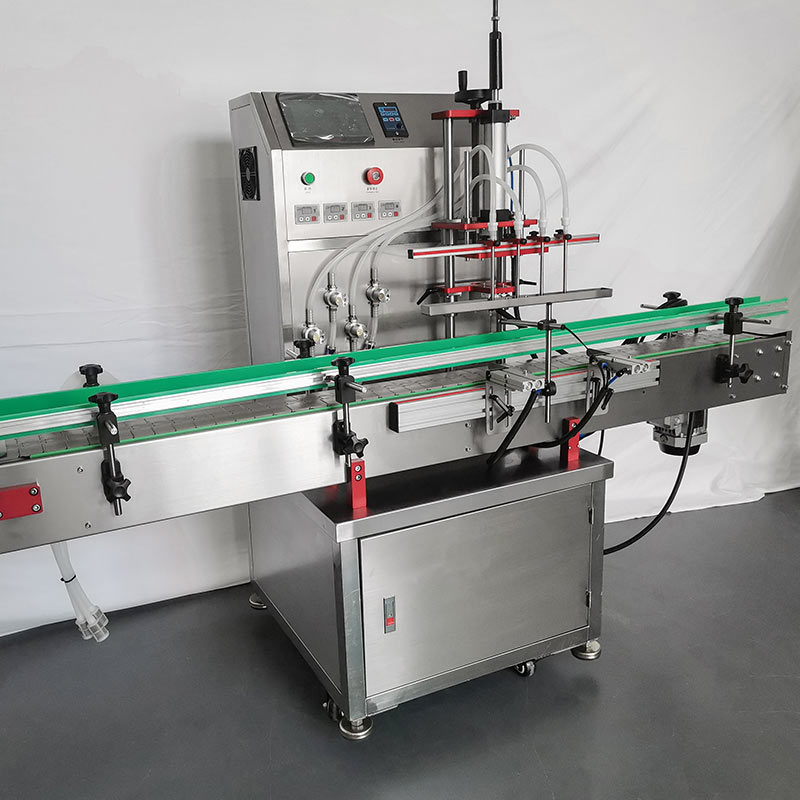

3-in-1 Filling and Capping Machine
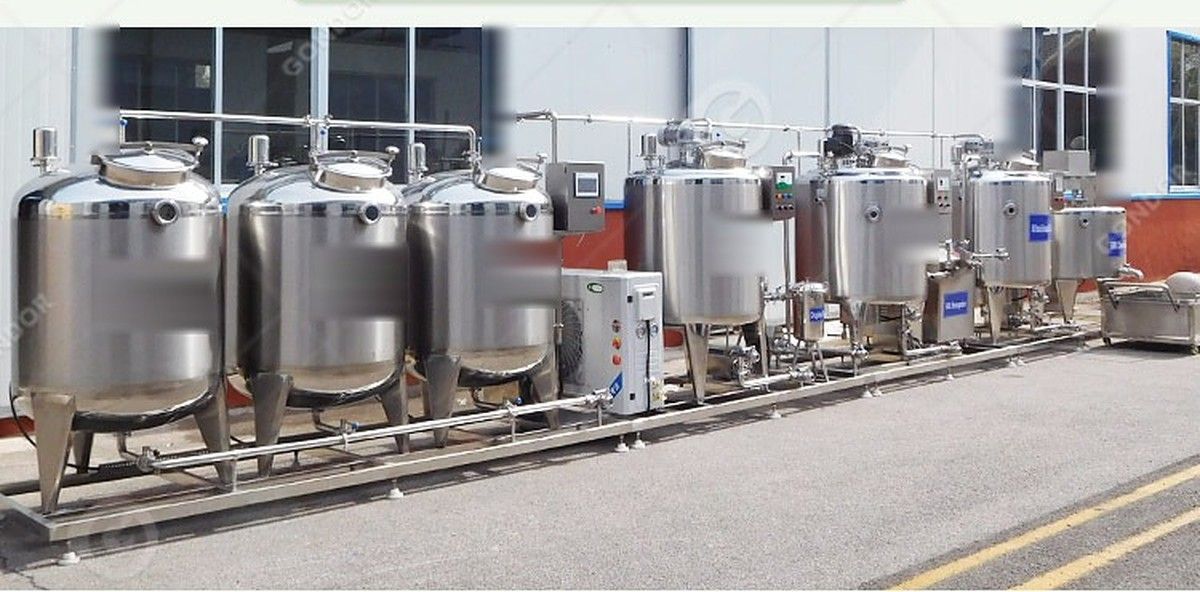
A fermentation tank must hold the intended working batch and maintain the conditions required by the process. Those conditions differ between cultured dairy and wine, even when both installations use stainless steel vessels and cooling jackets.
Start with the biological process and its product-handling requirements. Then specify usable volume, occupied time, heat-transfer duty and the necessary fittings.
The common sizing questions
Both projects need answers to a short set of practical questions: how much product occupies the vessel, how long it stays there, how its temperature changes and how it enters and leaves.
Gross volume alone does not answer those questions. A tank may require space above the working fill, and its jacket may not deliver the required duty with the available coolant.
| Requirement | Cultured dairy question | Wine or fruit-wine question |
|---|---|---|
| Working volume | Does the batch engage probes and the intended mixing arrangement? | Does the approved fill allow for gas, foam and solids? |
| Temperature | Is the product history sufficiently uniform for the culture process? | Can cooling remove initial and fermentation heat? |
| Mechanical handling | What mixing is appropriate before and during gel development? | What access and handling are required for skins or other solids? |
| Discharge | How will product move to cooling and filling? | How will liquid and residual solids leave the vessel? |
Use a separate product route for each duty
For yogurt, the route depends on whether fermentation occurs in a tank or in the final package. Culture requirements, milk preparation and mechanical treatment influence the endpoint and texture.
The yogurt temperature-uniformity guide covers probe location, working volume, mixing stages and endpoint records. Use those questions when evaluating a jacketed dairy fermenter.
Wine fermentation generates gas and heat and may contain a substantial solids fraction. Tank access, residue removal and the specified vent arrangement must reflect that duty.
The wine-tank guide separates working fill, headspace and cooling load. It also explains why a closed lid should not be treated as evidence of a pressure-rated vessel.
Count all the time a vessel is unavailable
Add filling, process time, any in-vessel cooling, emptying, cleaning and preparation for the next batch. This is the occupied interval for capacity planning.
If several batches need the same shared cooling or cleaning system, check whether their requests overlap. Owning enough vessel volume does not automatically provide enough cooling or cleaning capacity.
For dairy production spanning several vessels, connect the fermentation schedule to the preparation and filling schedule. For wine projects, consider how incoming product and concurrent fermentations use the shared refrigeration system.
Define the temperature-control duty
Provide incoming temperature, target profile, product volume and the time allowed for any required temperature change. Add coolant inlet temperature, available flow and the number of vessels expected to call for cooling together.
A controller regulates the equipment available to it. Stable sensor readings do not prove uniform product conditions, and a cooling setpoint cannot replace an adequate heat-removal design.
Ask for the basis of any proposed heating or cooling time. State whether it includes the product's own heat generation and other simultaneous loads where relevant.
Review fittings and cleaning access
Sampling points, vents, outlets, access openings and instrumentation must suit the duty. A filtered vent, a water-seal breather and a pressure-control assembly serve different purposes.
Confirm allowable pressure and vacuum conditions for the selected vessel and its operations. Identify which parts can be inspected and which require removal for cleaning. Avoid assuming that a generic fermenter automatically includes every process feature.
Define a process case before comparing tank sizes
State the product, working batch, temperature profile and required endpoint. Include how the material enters, what solids it contains and how it leaves after fermentation.
These details establish whether two tanks are being compared for the same duty. A vessel intended for cultured milk and a vessel intended for solids-containing wine fermentation may share a material and nominal volume while requiring different fittings and operating arrangements.
If the project needs more than one duty, ask the supplier to identify the supported configuration for each. Do not turn a broad application list into an assumption that one unchanged vessel performs every process equally well.
Calculate availability using the entire occupied period
List filling, process development, any cooling inside the vessel, discharge, cleaning and preparation. The tank becomes available when those required operations are complete.
For a scheduling illustration, assume a working batch occupies a vessel for twelve hours in total. Two nominal twelve-hour slots in a day do not automatically establish two completed batches if staffing, shared services or the production calendar prevents the next start. Show the actual start and finish times.
Where the product stays in the same tank for storage, count that interval too. The tank can remain unavailable to new fermentation even though its biological process has reached the required endpoint.
Assess simultaneous thermal demand
Map when each vessel needs heating or cooling and which services it shares. A system that handles one isolated batch may need a different arrangement when several vessels request their peak duties together.
Give the supplier incoming product temperature, required changes, product mass and time limits. Identify any continuing heat load relevant to the process and any later cooling required before transfer.
Ask for the utility conditions behind the proposed performance. A tank jacket's presence does not specify its useful duty, and a controller setting does not establish that the shared service can maintain it under every planned load.
Make measurements representative of the working batch
Define probe locations, immersion and the method used to check product conditions. Evaluate the minimum intended fill as well as normal production volume.
For a process sensitive to spatial variation, agree on a suitable verification method. The equipment supplier and process specialist should explain how the measurement relates to the product without disrupting hygiene or the required development.
Keep the product endpoint separate from the controller display. Temperature is one process variable; the final condition may need a different measurement agreed for the product. Record both where required so an apparently stable temperature is not treated as complete proof of fermentation performance.
Review access, discharge and protection as one arrangement
Show the path for filling, sampling, emptying, solids removal and cleaning on the configuration drawing. Include access space around openings and removable components.
Identify the vessel's operating pressure and vacuum limits and the specific vent or protection components included. The requirements must match the selected process and equipment rather than the appearance of a closed lid.
Where connected pumps or services are supplied by another party, identify the interface and responsibility. This helps keep the installed arrangement consistent with the vessel assumptions used during selection.
Ask for a handover record that supports later operation
The supplied documentation should identify the selected vessel, usable fill range, instrumentation, mixing arrangement and thermal equipment. State the duty demonstrated or calculated and the assumptions that remain product-specific.
Keep the accepted trial and configuration record together. If the plant changes batch size, product or utility conditions later, that record provides a basis for reassessment.
A useful tank selection is therefore more than a litre rating. It is a defined working volume, process schedule, measurement arrangement and thermal duty that fit the intended fermentation and the plant's actual handling requirements.
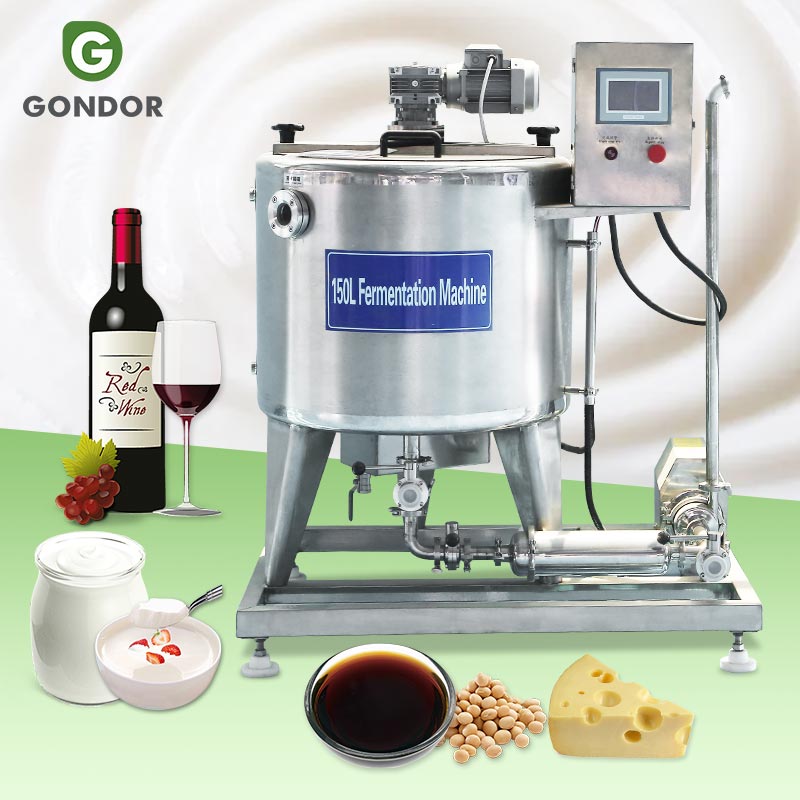
For cultured dairy, the existing [fermentation tank page](/product/fermentation-tank/) provides the current vessel details. For either project, send the process description, working batch, occupied-time schedule and heating or cooling conditions. Identify the product explicitly so the proposal addresses the correct fermentation duty.
Related guides
Related Products


Sizing equipment for your line?
Send the product, the batch size and the utilities you have. We reply with the model, the cycle time and what the cooling side needs.