



Liquid Filling Machine
A small liquid-packaging project begins with the product and package. A bottle of juice, a small oil bottle, a lotion tube and a jelly cup require different feeding, dosing and closure operations.
Write the required sequence in plain terms before comparing machine names. The same label, such as 3-in-1, can describe different combinations of functions.
Choose the package route
| Intended pack | Main operations to specify | Focused guide |
|---|---|---|
| Standard bottle | Position, dose, cap and label | Liquid line bottlenecks |
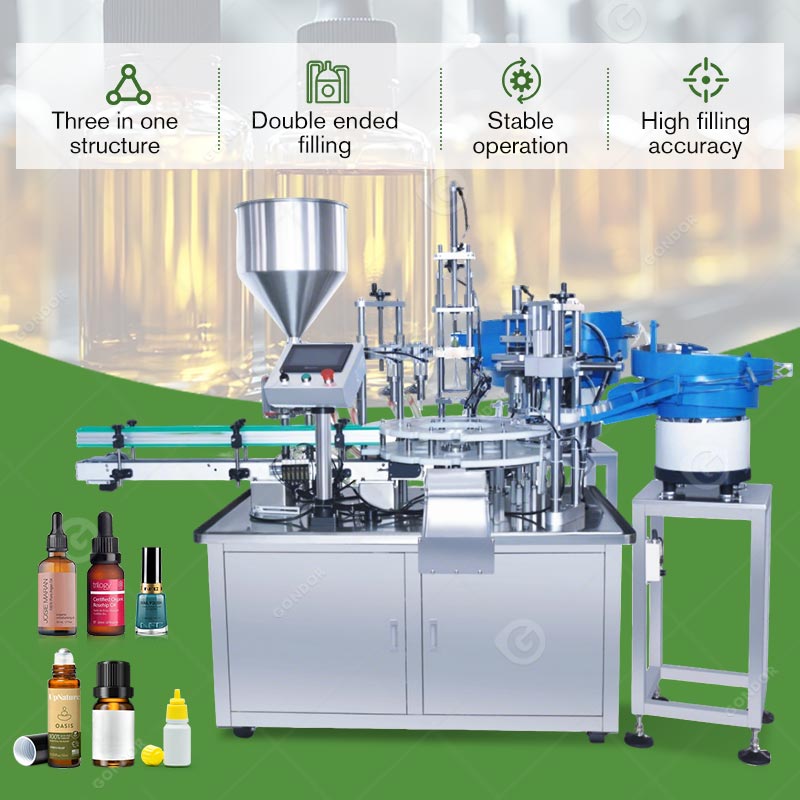
| Small bottle with insert | Dose, insert the specified plug and cap | Two meanings of 3-in-1 |
| Plastic or laminate tube | Load, orient, fill and seal the tail | Tube tail leaks |
| Preformed jelly cup | Place cup, fill and seal with compatible film | Jelly cup leaks |
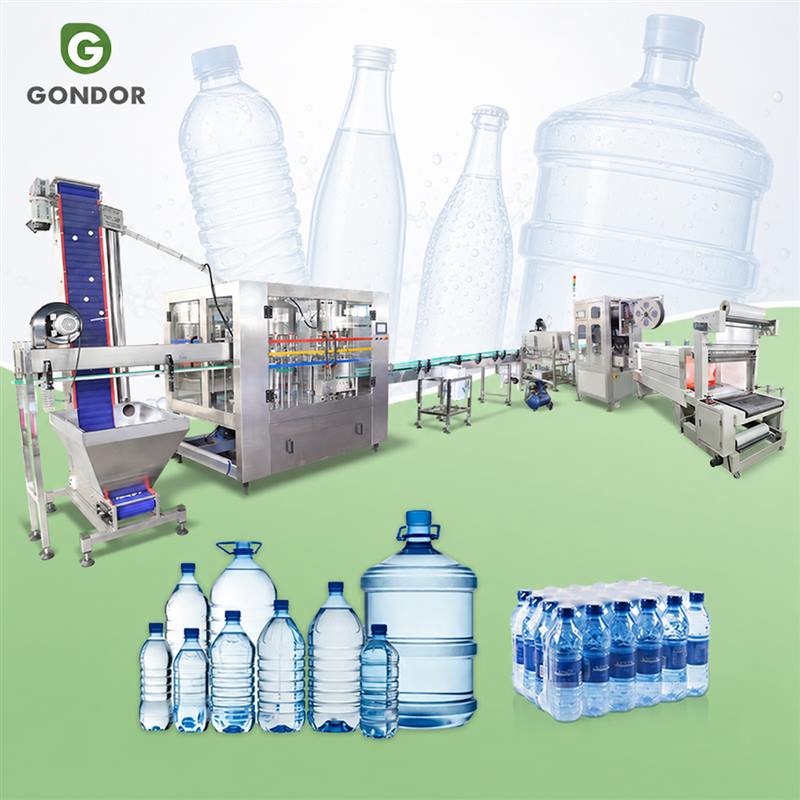
| Water bottle from an integrated line | Match treatment, bottle supply, rinsing, filling and packing | Bottle size and water capacity |
Include inspection and secondary packing where required. These functions should appear in the supply list rather than being assumed from the phrase complete line.
Define the filling duty
Provide fill quantity, viscosity at filling temperature, foam tendency, maximum particles and product-contact requirements. Include whether the product changes condition while it waits in a hopper.
A water demonstration does not establish filling performance with a thick cream or a fruit-containing liquid. Trial the intended product or an agreed representative material under the intended conditions.
For a piston filler, distinguish mechanical dosing repeatability from actual net-content consistency. The uneven-fill guide explains how to compare heads and convert net mass into volume using measured density.
Treat the closure as part of the machine selection
Supply production bottles, caps, inserts, tubes, cups and films as applicable. Their dimensions and materials influence handling and seal formation.
Define what an accepted closure looks like and how it is tested. Straight appearance alone may not establish leakage performance. For tubes and cups, product on the sealing surface can cause trouble even when the selected sealing method is suitable.
The machine, packaging materials and product should therefore be evaluated together. A machine-only acceptance test can miss defects that emerge in the assembled package.
Calculate output from accepted packs
The slowest sustainable station sets the initial line limit. Short-term accumulation helps adjacent machines continue through brief interruptions, but it does not correct a permanent capacity mismatch.
Use required accepted packs per shift and the available productive time to establish the necessary running rate. Add the actual schedule for cleaning, recipe changes, packaging changes and replenishment rather than multiplying a maximum speed by the whole shift.
For water lines, compare bottle count and product-water volume together. A change from 500 ml to 1 L doubles product-water demand at the same bottle count, even before other format effects.
Check format changes before buying
List the parts and settings that change between the smallest and largest package. Guides, nozzles, holders, cap feeders and sealing tooling may require physical changes even when a controller stores recipes.
Ask for an observed changeover using the intended formats. Record the time until accepted production resumes, including adjustments and trial packs, rather than only the time spent pressing recipe buttons.
Prepare one brief for all suppliers
Include product properties, pack drawings and samples, main SKUs, finished-output targets and the available room. State which operations are already installed and which must be supplied.
Build a product-and-package matrix
List each intended SKU with its fill quantity, product condition, container, closure and required output. Mark the formats expected to run most often and any combination that is especially difficult to handle.
Use that matrix for every supplier discussion. It prevents a proposal for one convenient bottle and liquid from being read as coverage for tubes, cups or a different closure system.
If the full range is not ready, distinguish confirmed production formats from future possibilities. Suppliers can then explain the current configuration and identify what additional parts or testing would be needed for later products.
Define the boundary between preparation and packaging
The filler needs a product arriving in the required condition and at a suitable supply rate. State who provides the holding vessel, transfer equipment, temperature control and any feed treatment needed before dosing.
For a product that changes consistency while standing, include the waiting period in the process review. A packaging machine may dose an acceptable prepared material without being able to maintain it indefinitely in an unspecified hopper.
Likewise, the closure system needs the correct packaging components presented in usable condition. Bottle, tube, cup and film supply belong to the production plan, even when their manufacture is outside the machine supplier's scope.
Examine one package through the full route
Follow representative units from empty-container presentation to accepted final collection. Record where the package is positioned, where product enters and how the closure is applied and checked.
This approach exposes interface problems. A bottle may fill accurately but move incorrectly into the capper. A cup may seal well but be damaged during collection. A tube may have a good closure when empty but receive product contamination during filling.
Assign the corrective work to the stage where the condition changes. Treating every leak or damaged package as a filling-machine fault can lead to the wrong equipment request.
Plan the staffing at peak workload
Identify container loading, product replenishment, component supply, inspection, reject handling and packing. Mark activities that occur together during a normal run.
For an illustrative line producing 40 accepted bottles/min, one hour represents 2,400 bottles requiring the surrounding handling. The arithmetic does not state how many operators are needed, but it makes the workload visible for the actual bottle and pack arrangement.
Ask suppliers to state the demonstrated operating arrangement and interventions used in the trial. A machine capable of automatic cycles can still require substantial attention elsewhere on the line.
Include the cost of changeover in the capacity decision
Compare the last accepted pack of one SKU with the first stable accepted run of the next. Include the actual cleaning, component replacement, setup and verification steps.
A fast machine can offer little additional daily output if the schedule spends long periods changing formats. Conversely, a line designed for a small number of long runs may prioritize a different set of functions.
Use the intended SKU schedule to decide which changeovers need demonstration. The relevant evidence is the complete operating interval, not only a promised time for recalling a controller recipe.
Establish acceptance criteria before the demonstration
State net-content requirements, closure criteria, package appearance and accepted-output definition. Identify the production materials and product used for the test and the time over which performance is assessed.
Record rejected units by cause and retain individual measurements where variation matters. An overall mean or a brief count of cycles can hide defects in the finished packages.
Request the tested configuration, change parts and utility assumptions with the trial report. This creates a clear reference for purchasing and commissioning, while preserving the distinction between a machine's general capabilities and the package combinations actually demonstrated.
Review the [liquid filling equipment category](/products/liquid-filling-machines/) for the current relevant machines. Then send the product-and-package specification for a process-route assessment. Request an equipment sequence, capacity basis and acceptance-test proposal with the quotation.
Related guides
Related Products


Sizing equipment for your line?
Send the product, the batch size and the utilities you have. We reply with the model, the cycle time and what the cooling side needs.



