

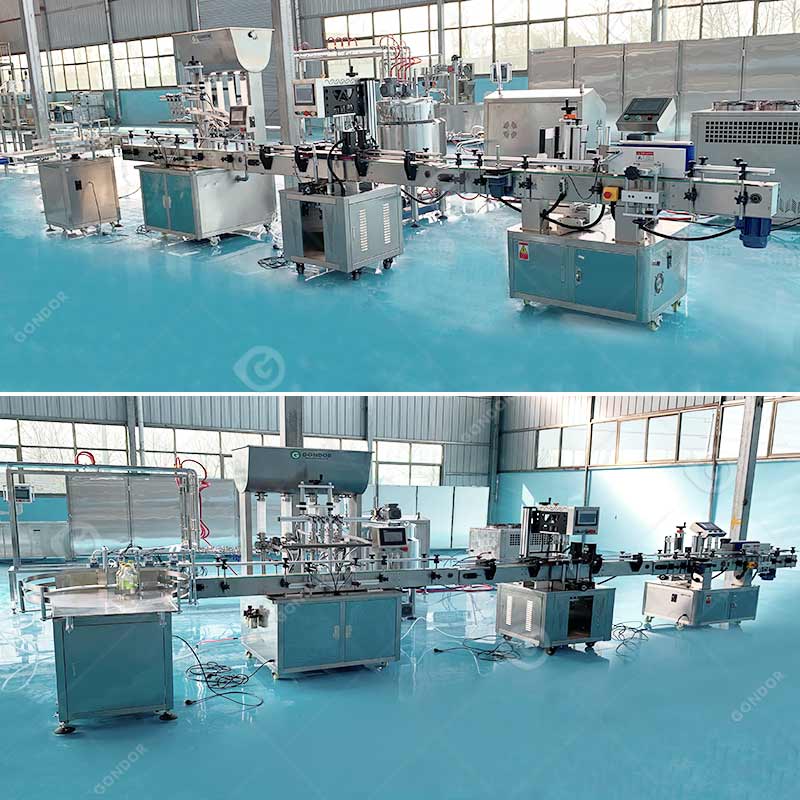
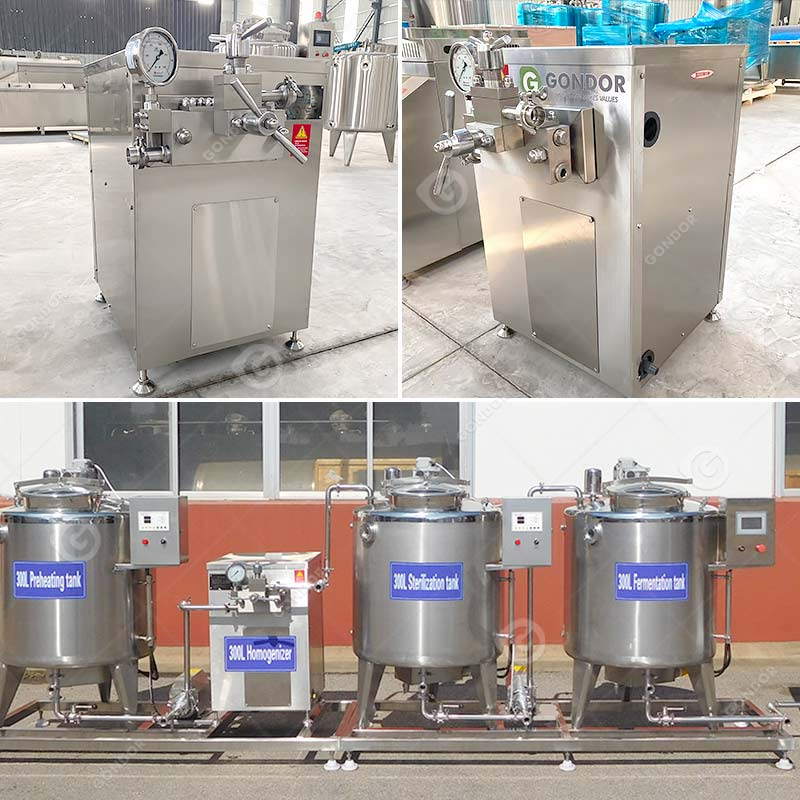

Jelly Cup Filling and Sealing Machine
A small dairy's equipment sequence should follow the products it intends to sell. Drinking milk, stirred yogurt and cheese can share some preparation equipment, but they occupy vessels differently and need different handling after heat treatment.
Start with a daily product schedule, then connect the required operations. This gives a more useful basis for purchasing than selecting a set of tanks with matching nominal volumes.
Decide which product routes the plant needs
| Product route | Main planning question | Focused guide |
|---|---|---|
| Refrigerated drinking milk | Can heating, holding, cooling and filling finish within the available shift? | Batch pasteurizer cycle |
| Stirred yogurt | How many fermentation batches can complete the full occupied-tank cycle? | Yogurt line capacity |
| Cheese | Can drainage and forming accept each vat discharge? | Cheese processing flow |
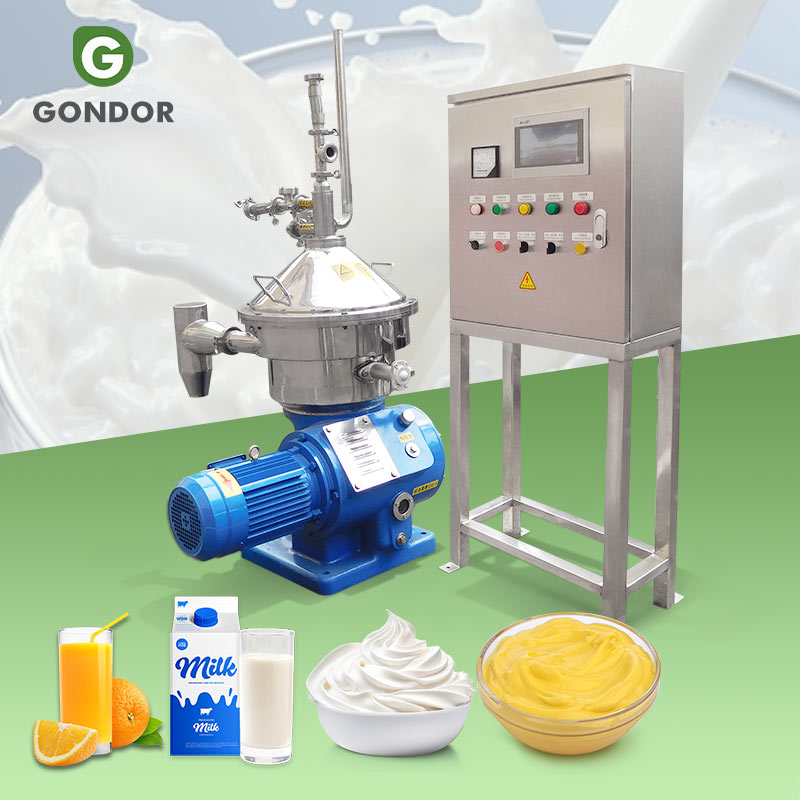
| Standardized milk and cream | Where will both separated streams go? | Cream separation and fat balance |
These routes are planning maps, not interchangeable processing recipes. Each product needs its own validated treatment, handling and storage specification.
Draw the milk and by-product paths
Show receiving, chilled storage, preparation and the required heat-treatment route. Then mark where the products diverge toward filling, fermentation or cheese making.
For cheese, include whey collection as a separate flow. For separation, include the cream stream and its storage or next process. A layout that accounts only for the main saleable product can overlook receiving capacity for these other streams.
Natural cheese milk should not automatically inherit the same homogenization stage as a drinking-milk or yogurt recipe. Specify that operation only where the cheese process calls for it.
Capacity depends on occupied equipment
Create one timeline row for each vessel, press and shared service. Mark loading, processing, cooling, discharge and cleaning. A vessel becomes available for another batch only after all required steps are complete.
Yogurt fermentation can occupy tanks while the preparation equipment waits. Cheese presses can remain full after a vat is ready to discharge again. Cooling and cleaning can create their own queues when several vessels request the same service.
The yogurt capacity guide shows how to count tank-hours. The cheese-vat guide explains why usable batch range, tooling and curd discharge must be reviewed together.
Keep the units consistent
Distinguish incoming milk litres, kilograms of cheese, usable batch litres and bottles per minute. These units describe different parts of production.
If a supplier quotes finished-cheese output, request the milk-composition and yield assumptions. If a filler is rated in bottles per hour, provide bottle volume. If a tank is labelled by volume, confirm whether that is gross or usable capacity.
An equipment comparison becomes meaningful only when the same duty and measurement basis appear beside each proposed machine.
Plan for the saleable product after processing
Milk and yogurt still need suitable packaging, cooling and storage capacity after their tank processes. Cheese may need forming, salting, ripening, cutting or packaging, depending on the product.
Where cheese is sold in cubes or sticks, evaluate wire-cutting conditions with the actual cheese. Cutting performance depends on product condition and handling, not only grid spacing.
A useful project brief
State the product mix, daily saleable output, shift length and intended batch size. Add minimum trial batches, packaging formats, utility conditions and a room drawing. Identify which operations are already installed and which need a new supply.
Build the daily plan from finished products
Start with the quantity that must leave production in the required form. Drinking milk needs a defined packaged volume, yogurt needs a defined style and pack, and cheese needs a specified product condition and format.
Work backward to determine the prepared milk and batch capacity required. For cheese, use an agreed process yield with its composition and moisture assumptions rather than applying an unexplained conversion from milk litres to cheese kilograms. For packaged liquids, include material remaining in vessels and lines and any rejected packs under the defined production basis.
Keep estimates labelled until they are supported by the product process. This gives suppliers a clear duty without presenting preliminary planning figures as guaranteed production results.
Use one room layout for material, people and services
Draw receiving points, vessels, transfer paths, packaging and finished storage on the same plan. Mark whey, cream and cleaning flows where they apply. Include access for operators and removal of tools or components.
Then review what happens at the busiest transfer event. Can a draining trolley receive the vat while another operator supplies packaging? Can the required hose or pipe connect without blocking the next task? Are utilities available where the equipment actually stands?
These questions often expose practical limits that are absent from an equipment list. Resolving them on the drawing can change the arrangement without necessarily increasing machine capacity.
Assess a shared-equipment production day
Suppose a plant plans drinking milk in the morning and yogurt preparation later in the day. The same heat-treatment vessel might support both routes, but only if its full occupied intervals and the required changeover fit the schedule.
Show the last accepted transfer from the first product, cleaning and preparation, then the first valid start for the next product. Include cooling availability and the receiving-vessel condition. Do not assume the equipment becomes available merely because the heating stage is complete.
If the schedule depends on simultaneous use of the same pump, utility or operator, identify that conflict explicitly. The appropriate response could be a different sequence, a separate component or revised production hours, depending on the process.
Compare quotations using complete operating cases
Prepare a normal production case and any materially different case, such as the smallest trial batch or a peak-output day. State the product mix, batch sizes, operating hours and expected packaging formats for each.
Ask suppliers to explain how their equipment handles those cases. A larger vessel can improve one case while making the smallest batch difficult. Additional automation can simplify a repetitive operation while adding changeover requirements for a diverse product mix.
Keep future expansion distinct from present acceptance. If a proposal reserves room for another vessel later, identify the connections and services included now and the capacity that would still need to be added.
Define what the plant must receive at handover
The equipment supply should identify the selected models, included tools, utilities, transfer arrangements and cleaning access. The process handover should state the operating conditions demonstrated and the responsibilities for product-specific validation.
Ask for a batch timeline and an acceptance record that ends at the agreed saleable stage. Water tests can establish some mechanical functions, but they do not establish yogurt texture, cheese yield or every packaging result.
Record any product routes not demonstrated so their status remains clear. This is more useful than treating a general machine-family application list as evidence that all planned products have already been verified.
Use early operating records to refine the schedule
After commissioning, compare the planned intervals with actual loading, processing, cooling, discharge and cleaning. Identify persistent waits and distinguish them from one-off interruptions.
Keep accepted output, residual material and rejects separate. A higher gross volume processed does not necessarily mean more saleable product if handling losses or incomplete downstream capacity increase.
The resulting record gives the plant a factual basis for its next equipment decision. It shows whether growth requires more preparation capacity, fermentation volume, drainage positions, cooling or packaging rather than assuming that every increase in demand requires a larger version of the first tank.
Review the existing [milk and yogurt equipment category](/products/milk-yogurt-processing/) and cheese equipment category for relevant components. Then send the product schedule and process requirements for a matching assessment. Ask for a proposed batch timeline and a clear boundary of supply alongside the equipment list.
Related guides
Related Products


Sizing equipment for your line?
Send the product, the batch size and the utilities you have. We reply with the model, the cycle time and what the cooling side needs.



