



High Shear Homogenizer
A cream separator divides milk into a lighter cream stream and a heavier skim-milk stream. Standardization then combines measured streams to reach the required milk fat content. Separation and standardization are connected operations, but they are not the same task.
A buyer should specify both the amount of milk to process and the required composition of the streams leaving the installation.
What happens inside the separator
Milk enters a rapidly rotating bowl containing a stack of closely spaced discs. The centrifugal field separates components according to their density, with cream and skim milk following different outlet paths.
The disc stack increases the effective separating area and shortens the distance that droplets travel. Feed conditions, flow and the bowl arrangement influence the result. The machine must be operated within its specified duty rather than selected only by the motor rating.
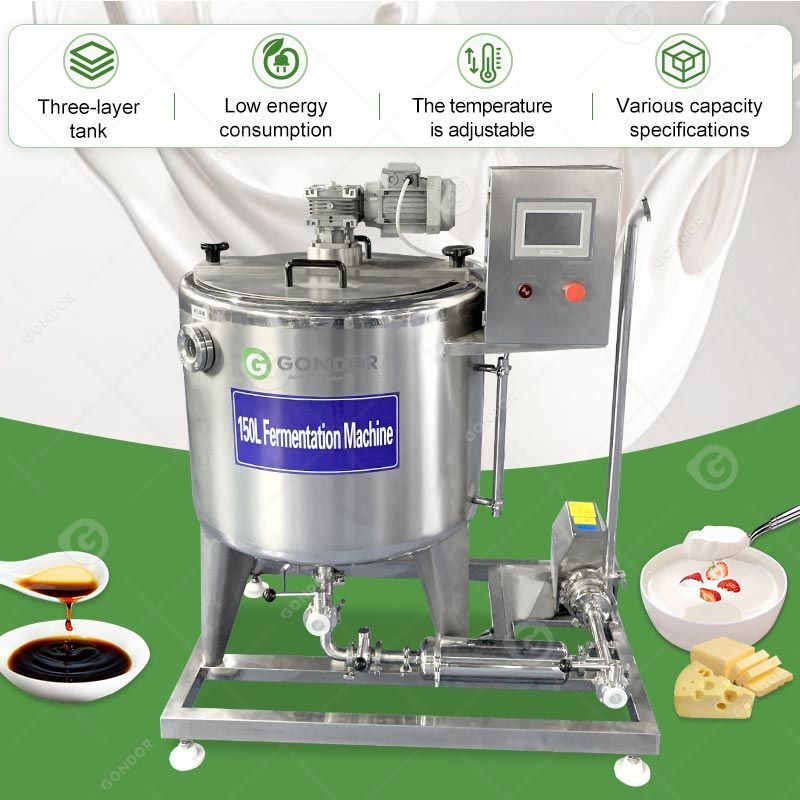
The supplied equipment is a disc-stack dairy separator. Its function is different from homogenization, which disperses fat globules more finely instead of removing a cream stream.
Why the inlet condition matters
Milk temperature changes viscosity and the physical state of the fat. Air entering with the product can also disturb stable operation. Establish the supplier's required inlet temperature, pressure and feed arrangement for the proposed model.
An advertised flow range does not tell you the residual fat in the skim stream or the cream concentration under your conditions. Ask for the defined separation performance and its test method at the required throughput.
A mass balance for standardized milk
Use mass consistently when calculating fat balance. If all fat percentages are expressed by mass:
Cream mass × cream fat fraction + skim mass × skim fat fraction = final milk mass × target fat fraction.
Assume, purely for a planning example, that 1,000 kg of milk at 3.0% fat will be made by blending cream at 40.0% fat with skim milk at 0.1% fat. The required cream mass is:
1,000 × (0.030 − 0.001) ÷ (0.400 − 0.001) = 72.7 kg.
The remaining 927.3 kg is skim milk. This example describes blending already characterized streams. It does not predict the separator's cream concentration, skim residual fat or yield.
Measure actual stream composition and account for process losses. Substituting litres directly into this mass equation without checking density can introduce an avoidable error.
Where standardization fits in a line
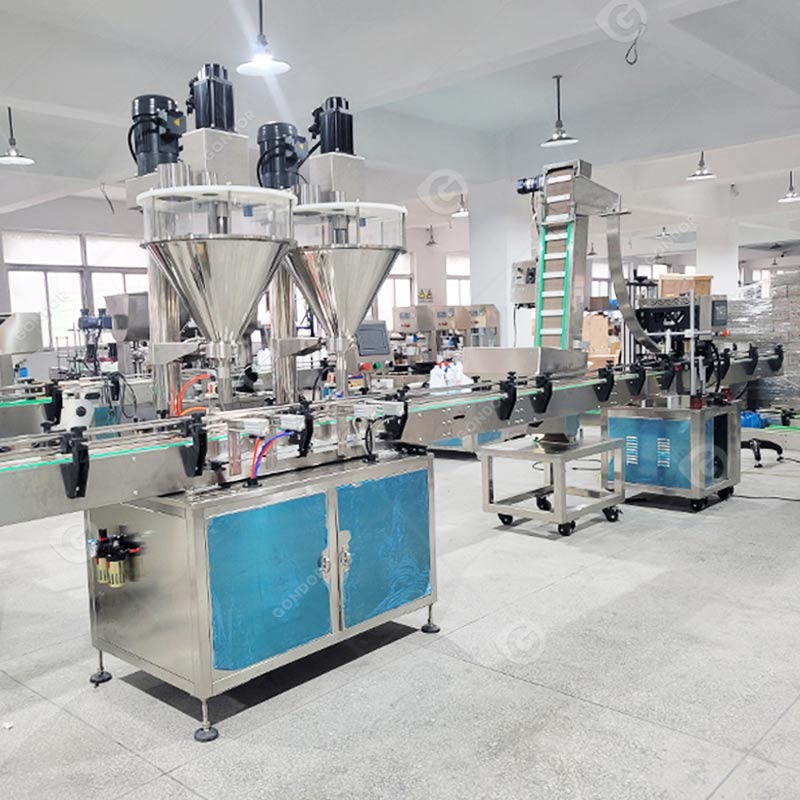
Standardized milk may go to drinking milk, yogurt or cheese preparation, depending on the plant's product range. The overall arrangement can include receiving, temperature conditioning, separation, measured recombination and later processing.
The selected sequence must preserve the required hygiene conditions and product quality. A cream outlet does not mean the installation also includes cream cooling, storage or butter production equipment.
| Quotation item | Detail to confirm |
|---|---|
| Feed duty | Milk type, flow, temperature and operating hours |
| Product targets | Cream fat concentration and allowable skim fat |
| Discharge arrangement | Manual or automatic solids handling, with the actual model identified |
| Cleaning | Required disassembly, cleaning access and any supported cleaning circuit |
| Standardization | Manual blending or an included measurement and control arrangement |
| Downstream handling | Separate destinations and cooling duties for both streams |
Can increasing flow reduce separation quality?
It can if the increased duty leaves the machine outside the operating conditions for which its separation performance was established. Compare output and composition together, rather than treating maximum flow as a guaranteed quality point.
Does a separator pasteurize the milk?
No. Removing cream is a physical separation step. Any required heat treatment remains a separate process with its own controls.
Close the balance around the separator as well as the blend
The earlier example calculates how much cream and skim milk to blend after their compositions are known. A separate balance is needed to describe how the incoming milk divides into those streams.
Ignoring losses for an illustration, total incoming milk mass must equal cream mass plus skim-milk mass. Incoming fat mass must also equal the fat leaving in both streams. These two relationships let the supplier explain a proposed separation duty with consistent numbers.
Suppose 1,000 kg of incoming milk at 4.0% fat is assumed to produce cream at 40.0% and skim milk at 0.1%. The calculated cream quantity is approximately 97.7 kg, leaving 902.3 kg of skim milk. Actual performance must use measured compositions and the agreed treatment of losses; the example does not guarantee those stream concentrations.
Keep sampling and measurement consistent
Collect samples at defined locations and after the system reaches the condition specified for the test. Identify the instrument, measurement basis and sample-handling method used for fat analysis.
Compare results from the same operating period. Combining an early cream sample with a later skim sample can create an apparent imbalance when the system was changing between the two observations. Record the feed flow and relevant operating conditions beside the composition results.
Where composition changes during the run, examine the trend rather than selecting only the most favourable sample. The purchaser needs to understand the repeatability of the specified output, including how the system responds after a normal interruption.
Distinguish separation capacity from standardization capacity
A separator may process the required incoming milk while the proposed blending arrangement cannot meter and combine the outgoing streams at the required rate. Review the measurement, control valves and receiving vessels as separate parts of the installation.
For a manually blended batch, identify how stream quantities are determined and how the blend is verified. For an automatic arrangement, ask what variables are measured, what result is controlled and where the final composition is checked.
Do not assume that adjustable cream concentration means the installation automatically standardizes drinking milk. The proposed sequence should show how the required milk composition is achieved and confirmed.
Plan the destinations of both streams
Cream can accumulate quickly if the plant's main product uses less fat than the incoming milk contains. Provide a receiving, cooling and production plan for that stream. The same applies to skim milk when the principal saleable product is cream.
The small dairy workflow helps connect separation with milk, yogurt and cheese production. Use the expected product mix to determine whether both streams have a scheduled destination or whether an additional storage requirement develops.
Check capacity at the peak collection period, not only as an average over the week. A separator that runs briefly at high flow may fill a small cream tank before downstream processing is ready.
Define a useful performance acceptance record
Specify incoming milk type, feed composition, throughput and inlet condition. Then state the required cream composition, allowable skim residual fat and how each will be measured. Include the duration for which the duty must be sustained.
Record product collected during start-up and transition separately from the steady operating result. Ask how that material is handled and whether it is included in the claimed accepted output.
Finally, review the model-specific solids-discharge and cleaning arrangements. Automated features in a product family should not be assumed to be present on every model. A quotation is easier to assess when it identifies the actual bowl arrangement, included controls, contact parts and cleaning procedure for the machine being offered.
The [dairy cream separator page](/product/cream-separator/) describes the available machine family. For a standardization proposal, [send incoming milk flow and fat content, target milk fat, desired cream concentration and operating hours](/contact/). Those figures allow the two outgoing streams to be planned alongside the separator itself.
Related guides


Sizing equipment for your line?
Send the product, the batch size and the utilities you have. We reply with the model, the cycle time and what the cooling side needs.



