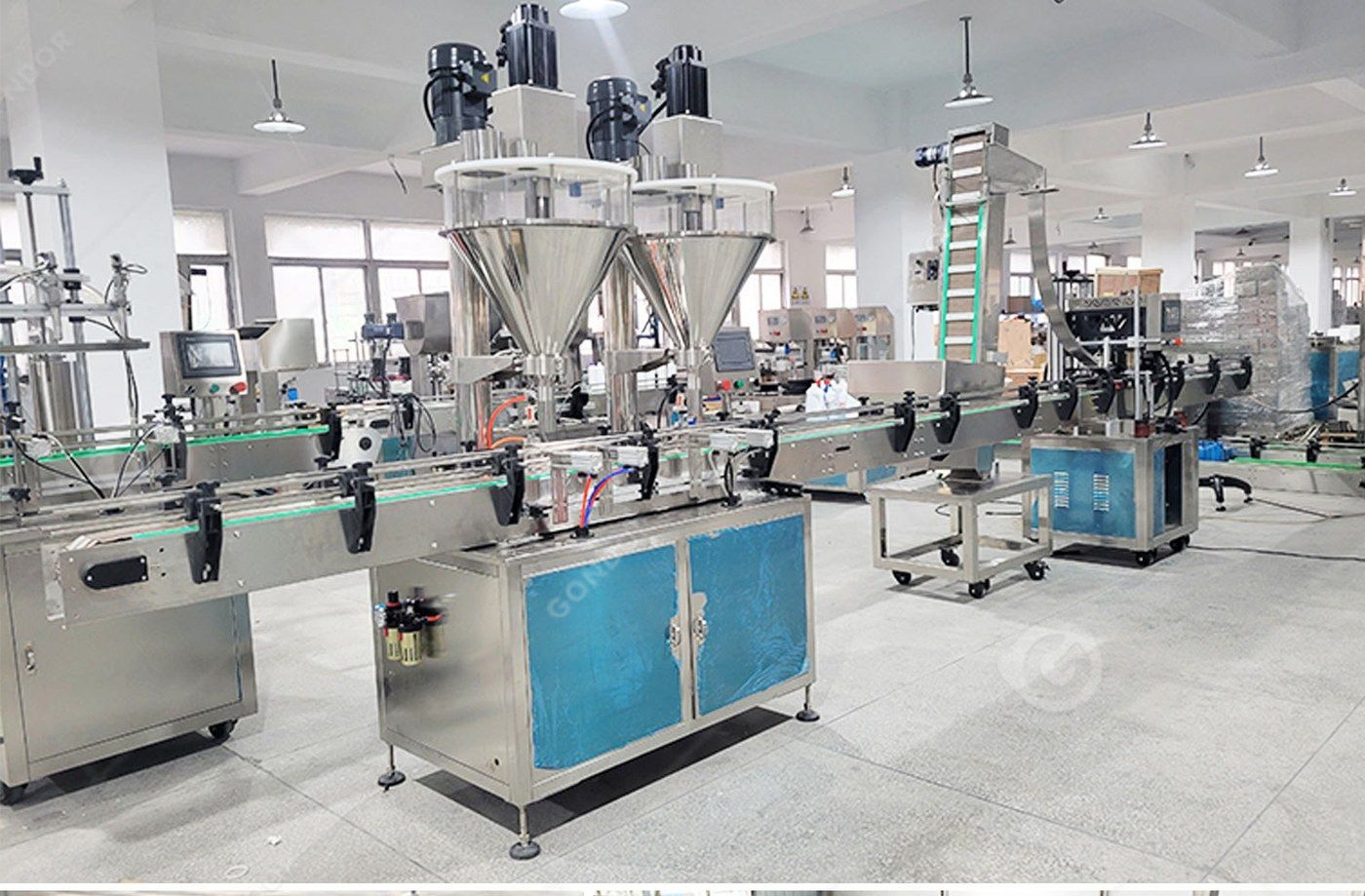

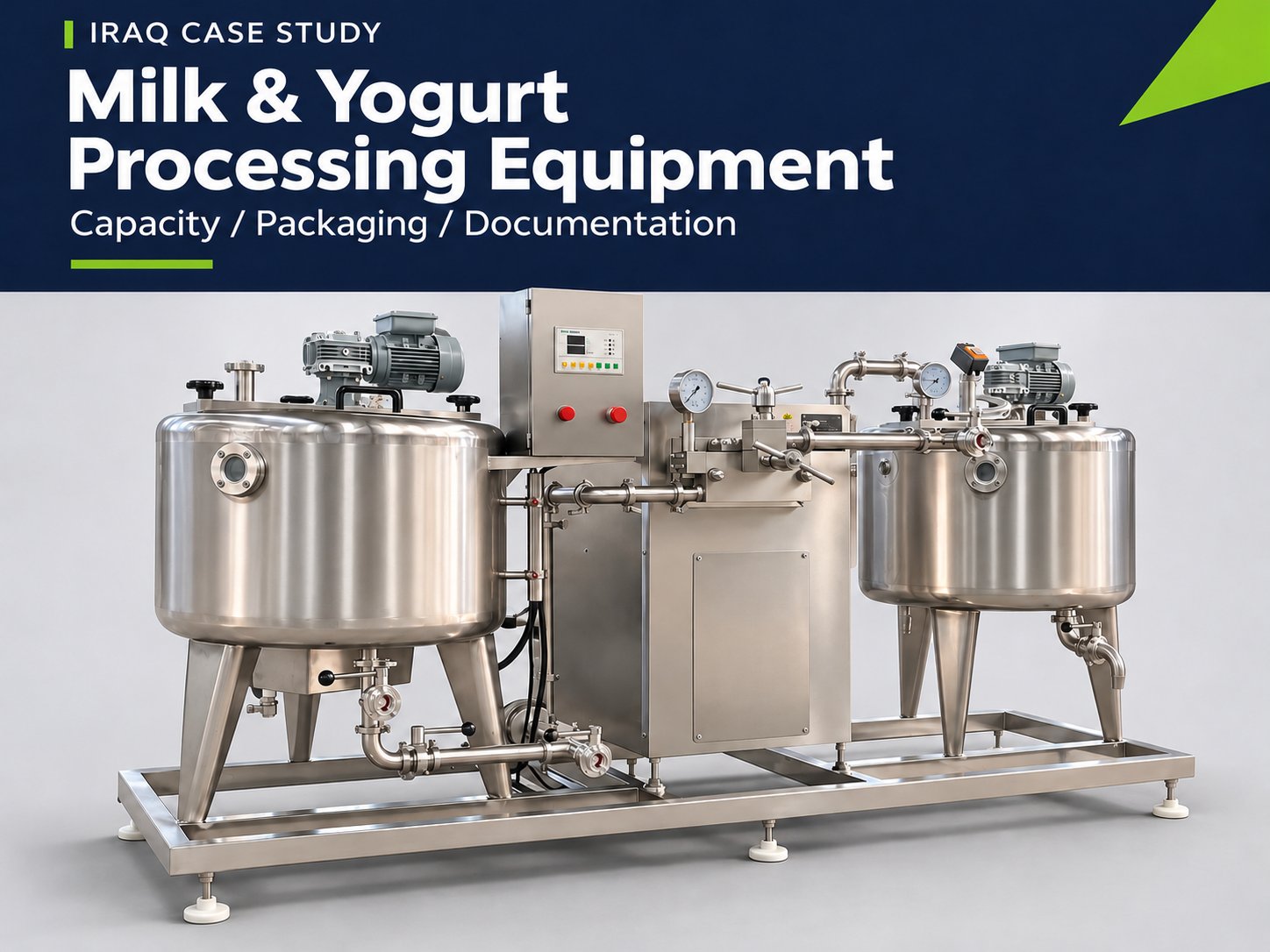
A dairy processor in Iraq planned to make and pack both milk and yogurt on one site. The enquiry arrived as a list of requirements rather than a specification: 5 tonnes of capacity, glass bottles for the milk, three pack sizes for the yogurt, and an equipment list complete enough to submit for import.
Choosing machines turned out to be the smaller part of it. Two output figures had to be separated, a tub had to be measured before a filling machine could be quoted, and the document set went through several revisions before the buyer accepted it.
| Item | Detail |
|---|---|
| Country | Iraq |
| Products | Milk in glass bottles; yogurt in 1 kg, 1.5 kg and 2 kg tubs |
| Scope discussed | Processing vessels, fermentation and cooling tanks, filling and sealing, supporting items |
| Number that shaped the file | 5 tonnes per batch requested; 2,000 L per batch proposed at that stage |
| Site information | Factory plan received in June; layout under technical review |
| Document status | Revised file confirmed correct on 21 October 2026; paper copies couriered |
The 5-tonne request and the 2-tonne reply
The first requirement was 5 tonnes per batch. We took it back to production and returned with a processing-vessel proposal built on 2,000 litres per batch, with fermentation tanks, cooling storage and the packaging equipment discussed alongside it.
Later the buyer asked directly why a 5-tonne requirement had been answered with 2 tonnes. The answer was already in the earlier file. One heading read “5000L/Day”, a daily figure, while the vessel discussion was about batch volume. Both numbers were there. Neither had been labelled.
They answer different questions, which is why a quotation that mixes them is hard to check:
| Figure | What it tells you, and what it does not |
|---|---|
| 5,000 L per day | Volume through the plant in a working day. Not the vessel size, and not how many batches fit into that day. |
| 2,000 L per batch | Volume in one vessel per cycle. Not how many cycles the day allows. |
| Bottles or tubs per hour | How quickly the packing line clears a batch. Says nothing about processing capacity. |
A 2,000 L vessel does not deliver 2,000 L a day by itself. Each batch is filled, heated, held, cooled and cleaned before the next one can start, and the packing line has to clear the batch before the tank is free again. Daily output comes from batch size, cycles per day and line speed together, which is why both figures normally sit side by side on a specification sheet.
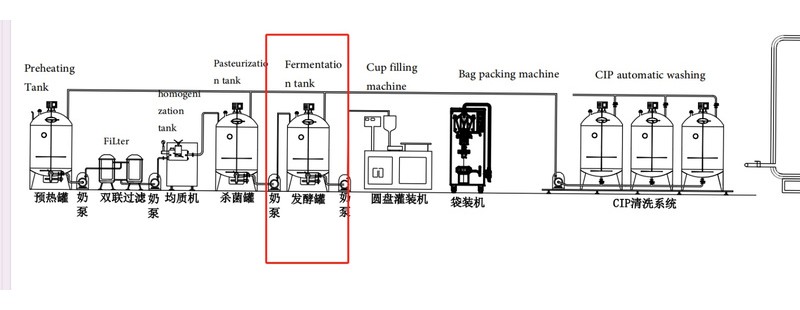
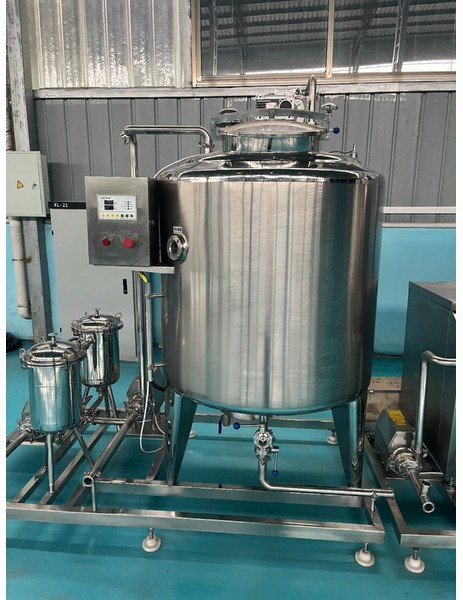
The requirement was recorded that way: batch volume and planned daily output stated separately, so both sides select from the same basis. When the buyer went on to ask for larger single-batch equipment, the list went back to engineering for the configuration and price to be reviewed. That review was still open when this case was written.
What a 1 kg tub asks of the filling line
Milk was to go into glass bottles. Yogurt was to be packed in several sizes, with the larger tubs specified at 1 kg, 1.5 kg and 2 kg.
Those weights are not enough to choose a filler. A 1 kg tub and a 1 kg cup can take different tooling, different sealing and a different position on the line. We asked for container photographs, diameters and heights before discussing models.
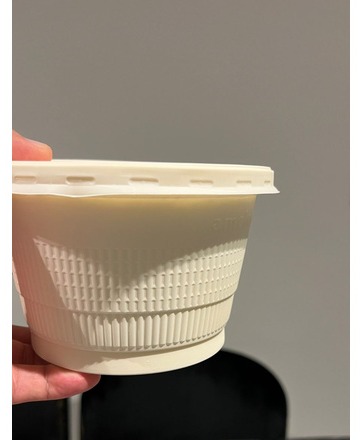
The photographs settled part of it. The large tub has a ribbed wall and a wide flat rim, and that rim is the surface a seal sits on. The next question was the closing sequence: film seal first with an outer lid over it, or a lid pressed straight onto the tub. On a cup and tub filling line, that choice fixes the tooling before anything else is quoted. The two routes use different machines and leave different amounts of manual work at the end of the line.
“Fully automatic” needed the same treatment. On a filling line it means a chain of steps: containers denested and fed, product dosed, film or lid applied, code printed, packs discharged. Which of those steps run without an operator decides the machine type, and the price.
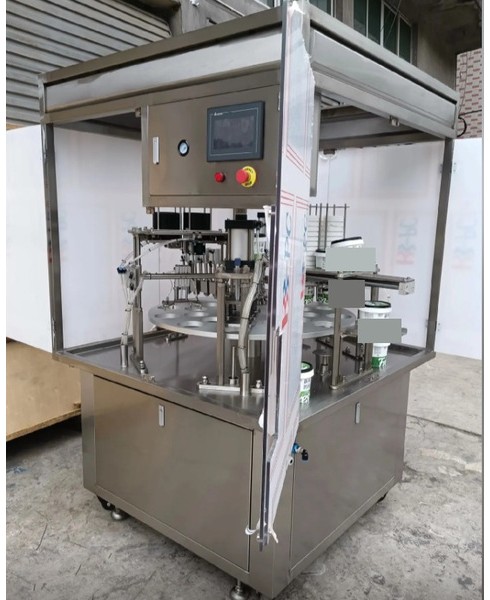
Points to confirm, by packaging direction:
| Packaging direction | Points to confirm |
|---|---|
| Milk in glass bottles | Bottle and cap format, net content per bottle, planned packaging speed |
| Smaller yogurt cups | Container diameter and height, fill weight, film or lid |
| 1 kg, 1.5 kg and 2 kg tubs | Diameter, height, rim width, and whether the tub is sealed then lidded or lidded directly |
| Supporting scope | Compressed air demand, and the scope of secondary packing and wrapping equipment |
We kept the pack weights in kilograms. A weight does not define a container volume; filling volume comes from the container dimensions and the product, checked separately. Treating 1 kg as 1 litre is a shortcut, and the mistake surfaces at the filling nozzle.
Layout answers that need a drawing first
The buyer asked several times how much floor space the equipment needed, and how processing, packing and cold storage would sit together.
The first reply gave the equipment composition with approximate positions, and a request for the building plan. In a dairy, equipment positions are set by the building as much as by the process. Pipe runs between vessels, floor level and drainage, the distance from the filler to the cold room, and the route people and materials take through the plant all move equipment.
Different length and width figures arrived over the following weeks, which is why we kept asking for a drawing instead of working from dimensions in messages. Production area division, the pipework between areas, staff facilities, raw material and finished product testing, the packing area and finished product storage were all on the list.
In June the buyer sent a factory plan, which went to the technical team for review.
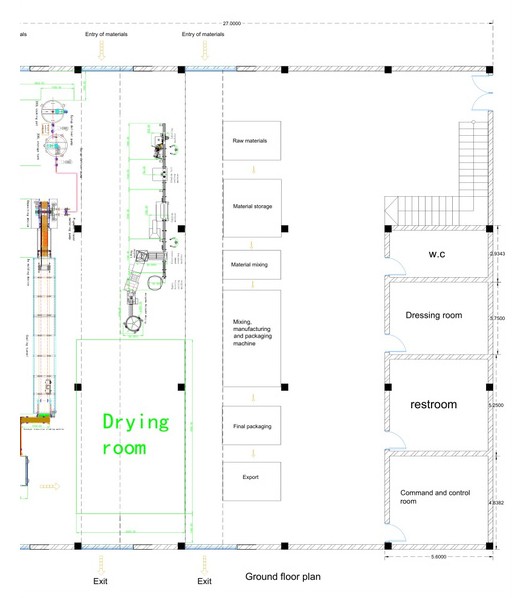
What the drawing has to show, and why it changes the equipment:
| Drawing information | Why it moves the equipment |
|---|---|
| Vessel positions and pipe runs | Piping length, number of bends, and whether each run needs its own pump |
| Floor level and drainage | Whether tanks stand on frames or discharge by gravity |
| Cold room position | How far filled product travels before chilling |
| Staff and material routes | Whether raw intake and packed goods share a corridor |
| Steam, air and power points | Whether the quoted scope includes the connections |
Documents that survive an import review
The import file needed equipment photographs, parameters and lists that matched each other. The buyer also wanted originals: signatures, stamps and paper copies rather than scans.
One review came back with two problems. Testing instrument information was missing from the version the buyer received. It had already been explained that these instruments are not manufactured in our own factory, but the pages describing them had not made it into the file. They were added.
The second problem took longer. The buyer’s details in Kurdish kept changing word order when the text was copied into the document, and typing it again produced the same result. In the end we used a screenshot from the buyer to fix the display order, placed that version into the file, read the whole document through and sent it again.
On 21 October 2026 the buyer confirmed the revised version was correct. Paper copies, signatures and stamps followed. The documents went out by international courier, and tracking and transit updates were passed to the buyer.
| What the review raised | What changed in the file |
|---|---|
| Equipment pictures and parameters against the list | Pages matched back to the item list |
| Testing instruments missing | Section added, with the sourcing note kept |
| Local-language name in the wrong order | Text replaced using the buyer’s screenshot |
| Signature, stamp and paper original needed | Arranged, then sent by courier |
What is confirmed and what is still open
Confirmed:
- the specification is now written on two bases, batch volume and planned daily output
- container photographs and dimensions are on file for the three yogurt tub sizes
- the factory plan was received in June and forwarded for technical review
- the revised document set was confirmed correct on 21 October 2026
- signed paper copies were couriered
Still open:
- the larger single-batch vessel option, which needs a new configuration and price
- final container dimensions, to be checked against the tubs actually supplied
- the site layout, which follows the technical review of the drawing
This case covers the specification and document stage of the order. Production and shipping are outside the record summarised here.
Planning a milk and yogurt line?
Send the two capacity figures separately: batch volume, then planned daily output. Add the products, the pack formats with container photographs, diameters, heights and lid type, the factory plan or building dimensions, and the voltage and frequency at site. If the equipment list has to pass an import review, say what the reviewer expects in terms of language, signatures, stamps and paper copies.
We can reply with an itemised list that separates the supply scope, the points still to be confirmed and the document requirements, so each part can be checked on its own.